



Aromatic oil, also known as aromatic hydrocarbons or aromatics, refers to carbon-hydrocarbon compounds containing a benzene ring structure. It is one of the fundamental products and basic raw materials in petrochemical industry, primarily including benzene, ethylbenzene, and so on. Due to the aromatic smell of these compounds discovered early in history, they were named aromatic hydrocarbons. Later, hydrocarbons without aromatic smell were also uniformly called by this name. For example, benzene, naphthalene, etc. The general formula for benzene derivatives is CnH2n-6 (n≥6).
Basic Performance:
Aromatichydrocarbon oil
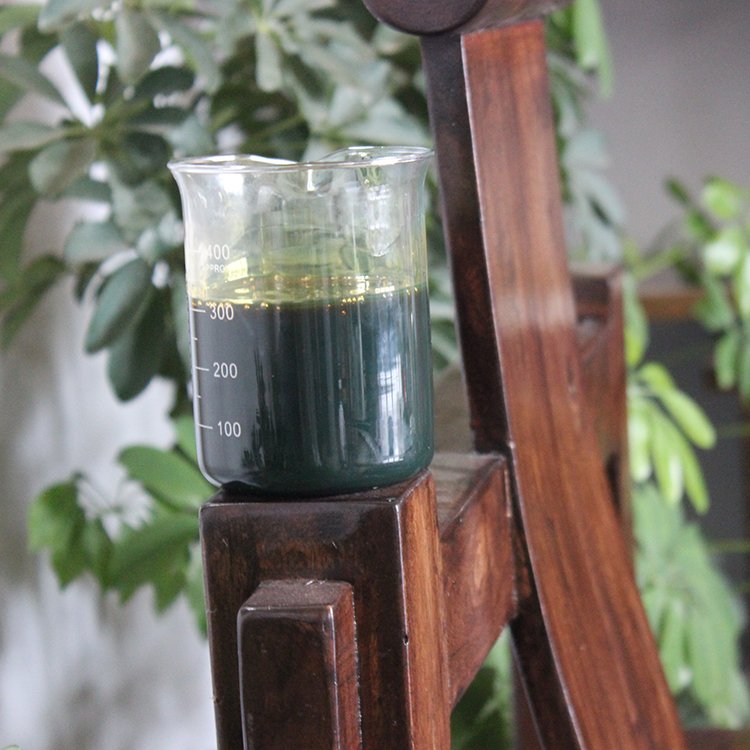
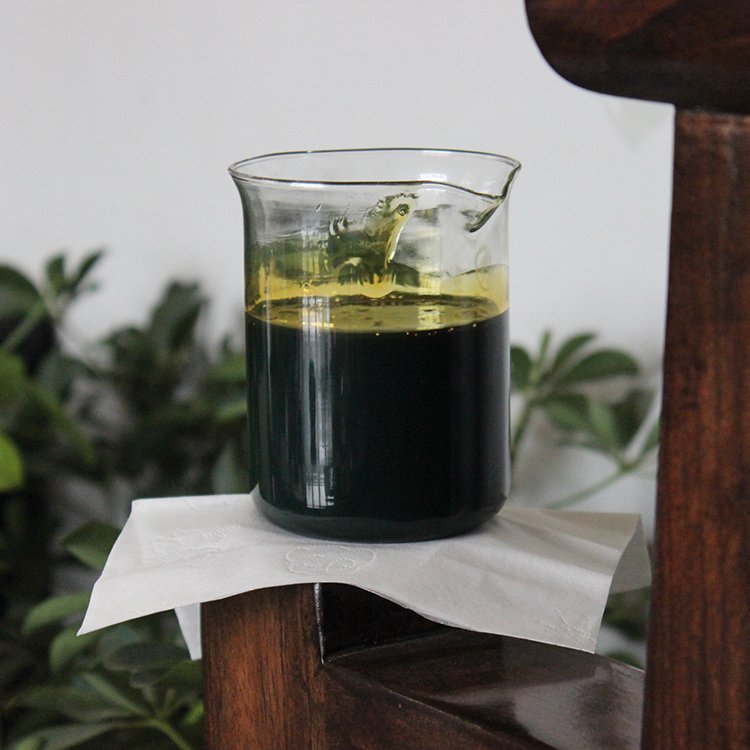
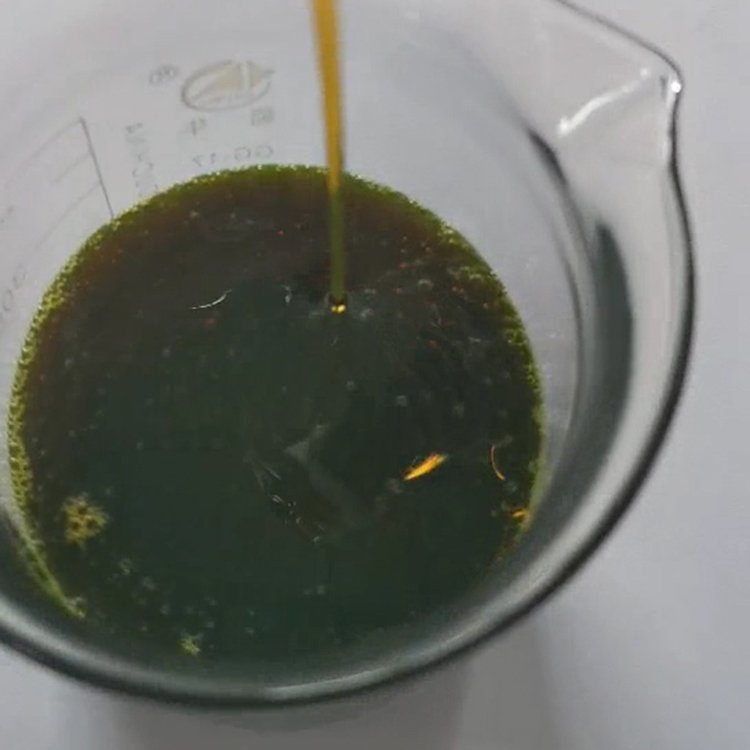
Aromatic oil, also known as aromatic hydrocarbon oil, is a dark, thick liquid with a relative density of 0.9529 to 1.0188. The freezing point is less than 5°C. Refractive index is 1.5700 to 1.5800. Viscosity (at 60°C) is 12-15°E. Flash point (open cup) is 170-200°C. Aromatic content is 70% to 87%, saturated hydrocarbon content is 20% to 35%, impurity content is less than 25%, and asphaltene content is less than 0.5%.
Basic Usage:
Paraffinic oil exhibits excellent rubber compatibility, high heat resistance, and low volatility, significantly enhancing the rubber's processing properties. It strengthens the resistance of rubber products against weathering, oxidation, abrasion, and aging. Additionally, it aids in the mixing and dispersion of fillers in rubber compounds, and is used in industries such as recycled rubber and various rubber products.
Primary Function:
Aromatic hydrocarbons enhance the adhesion of rubber compounds and maintain high strength in vulcanized rubber, but they also affect the heat generation, thus, an ideal aromatic oil should have a suitable chemical composition. Viscosity and flash point are the primary quality indicators that characterize the composition and physical properties of aromatic oils. Aromatic oils with different physical properties have varying effects on the performance of vulcanized rubber. Viscosity serves as a rough standard to measure the compatibility between oil and polymer, as well as reflecting the fluidity of the oil. Viscosity affects both the plasticity of the rubber compound and the physical and mechanical properties of the vulcanized rubber. Using low-viscosity aromatic oils can result in vulcanized rubber with lower hardness and低温 elasticity, but with significant volatility loss; high-viscosity aromatic oils can improve the tensile strength and elongation at break of vulcanized rubber, reduce the modulus of elasticity, but decrease cold resistance and elasticity. A lower aromatic content is less compatible with rubber, while better compatibility with rubber results in superior processing characteristics. The flash point is an indispensable and important indicator for aromatic oils, as it relates to volatility and is a critical safety factor in the compounding, processing, and storage of rubber.
Quality Specifications:
Viscosity (99℃) 2.4~2.7°F
Flash Point (Open Cup): 205°C
Viscosity Density Index: 0.958~0.977
Freezing point: 20°C
Heating Loss (at 120°C, 2h) ≤ 0.7%
Ash content ≤ 0.010%
Total Flow Rate < 5.5%
Extraction Channels:
From coal
During the coking process of coal, a light coal tar is produced, which contains a large amount of benzene. This is an initial method for producing benzene. The produced coal tar and gas are processed together through washing and absorption equipment, using high-boiling point coal tar as the washing and absorption agent to recover coal tar from the gas. After distillation, other high-boiling point fractions are obtained. Through purification, industrial-grade benzene can be obtained. The benzene produced by this method has a relatively low purity, and it causes serious environmental pollution, with outdated technology.
From petroleum
This method is a common approach for extracting aromatics. In the context of petroleum refining and reforming, this refers to the process of alkyl hydrocarbons forming rings and losing hydrogen to produce aromatic hydrocarbons. This process developed during World War II. At temperatures of 500-525°C and pressures of 8-50 atmospheres, alkyl hydrocarbons with boiling points between 60-200°C are converted into benzene and other aromatic hydrocarbons via dehydrogenation and cyclization using a platinum-rhenium catalyst. After the aromatic hydrocarbons are extracted, distillation separates benzene. These fractions can also be used to produce high-octane gasoline.
