




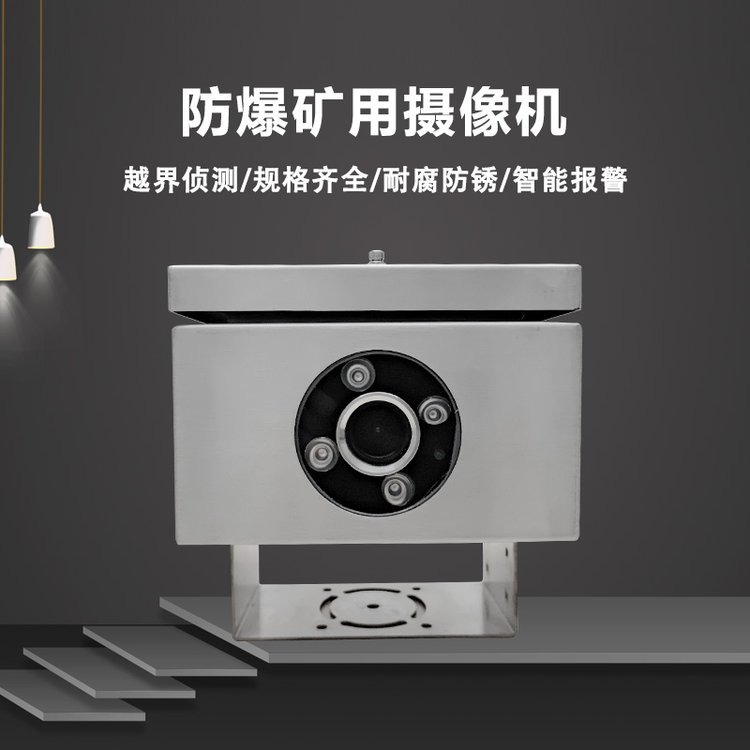
One: Clean the lens
Camera lenses often develop small foggy spots on their surface, which can affect video quality. A simple solution is to use a clean, soft-bristled brush or a tissue soaked in special lens cleaning solution to wipe the lens surface, ensuring it is dry and clean.
Second, using anti-fog agent
Another simple solution to prevent fogging is to use anti-fog spray. Shake well before use and then spray evenly on the lens surface. Ensure the substance you apply won't harm the lens before using the anti-fog spray.
III. Utilizing Heaters
If the camera is frequently used in a humid environment, it is recommended to use a heater to prevent fogging. The heater can heat the lens surface to expel condensation that has accumulated on it. The heater can be connected to the camera's power supply or powered by batteries.
Four: Use desiccant
Placing desiccants in the environment where cameras are set up is also a good choice. Desiccants can absorb moisture from the air, thereby reducing the relative humidity and preventing the cameras from fogging up. Common desiccants include silica gel.
Five: Change the camera placement
In some cases, camera fogging is caused by a mismatch between indoor temperature and humidity; in such instances, adjusting the camera's placement can be effective. Moving the camera away from a damp room and installing it in a drier area can reduce the likelihood of fogging.
In summary, camera fogging is a common issue. The aforementioned methods can effectively resolve the fogging problem in low-temperature and humid environments, ensuring your camera maintains optimal performance at all times.
