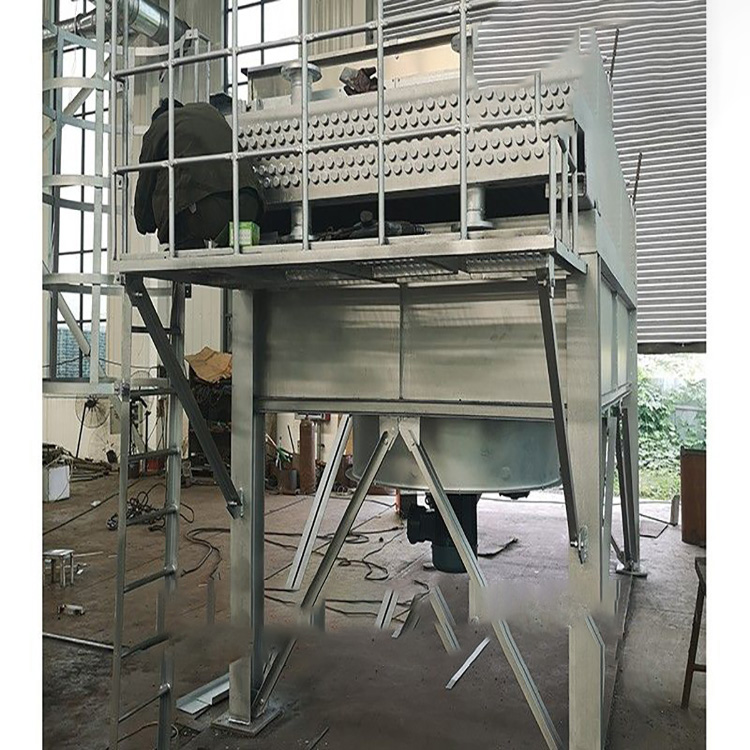
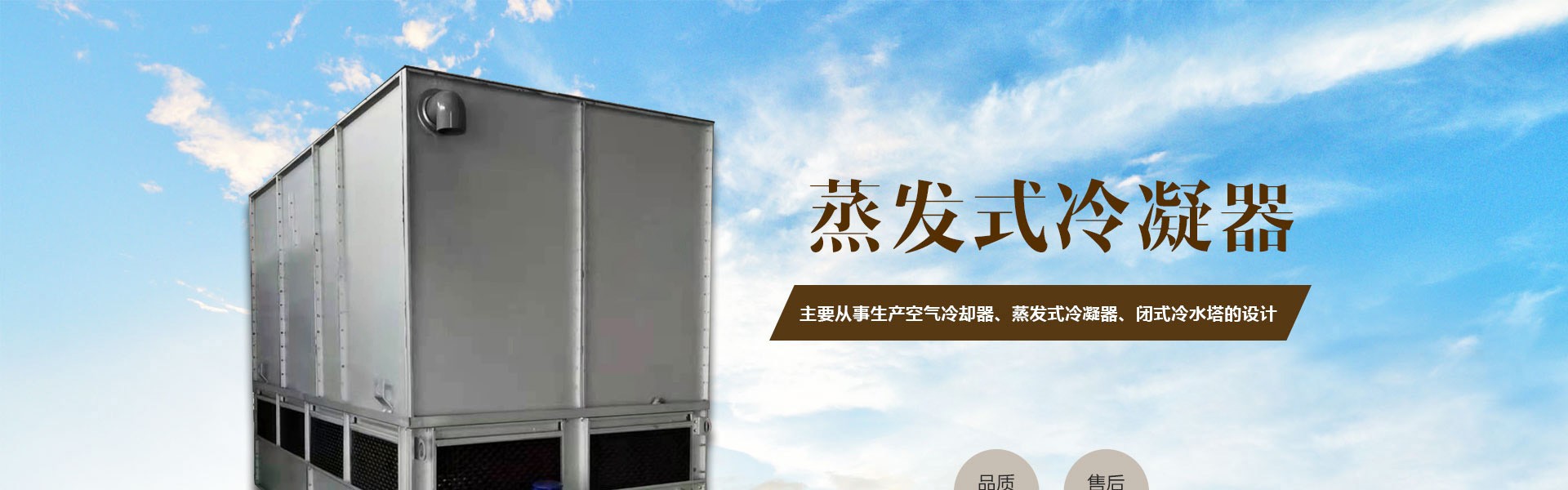

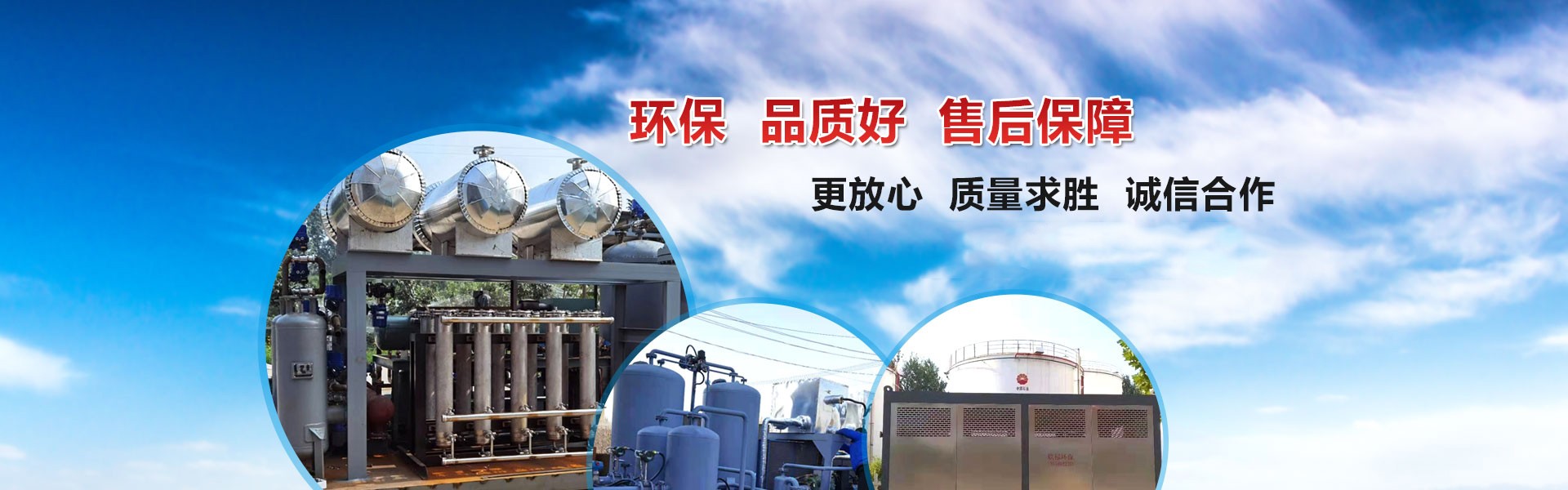
Air-cooled heat exchangers, commonly referred to as air coolers, use air as the cooling medium and can serve as both coolers and condensers. They are primarily composed of tube bundles, supports, and fans. The hot fluid flows inside the tubes, while air blows over the tube bundles. Due to the large ventilation required for heat exchange and the low wind pressure, axial flow fans are commonly used (see fluid conveyance machinery).
The type and material of the housing greatly affect the performance of air-cooled units. Due to the air side...Thermal Conductivity CoefficientThe compact design of the air cooler often necessitates the addition of fins on the exterior of the tubes to enhance heat transfer area and fluid turbulence, thereby reducing thermal resistance. Radial fins are commonly used in air coolers. Typically, they feature a 25mm outer diameter tube, a low fin tube with fins 12.5mm high, and a high fin tube with fins 16mm high. The fins are generally made from materials with high thermal conductivity (commonly aluminum) and are wrapped or embedded onto the tube. To strengthen the heat transfer efficiency of the air cooler, moisture can be added to the incoming air by spraying water. This not only lowers the air temperature but also increases the heat transfer coefficient. Using air coolers can save a significant amount of industrial water, reduce environmental pollution, and lower construction costs. Particularly in water-scarce areas, replacing water cooling with air cooling can alleviate the contradiction of insufficient water resources.