
日期:2023-08-26 浏览:32
As we all know, "If you want to do something well, you must first have the right tools." On the path to learning the piano, equipment is crucial. Therefore, some piano learners may have the following concern: worrying about spending $2000 or $3000 on a beginner's piano, only for the child to not persevere, leaving many items completely wasted. Unlike buying a computer or other goods that adults can continue to use, a piano is useless if the child stops learning, and it serves no purpose for parents or friends, leaving only a piece of furniture. This is why such worries arise. Let's now discuss how to choose a piano teacher to address the issue of "If you want to do something well, you must first have the right tools" for children.
First, let's analyze the methods of both.
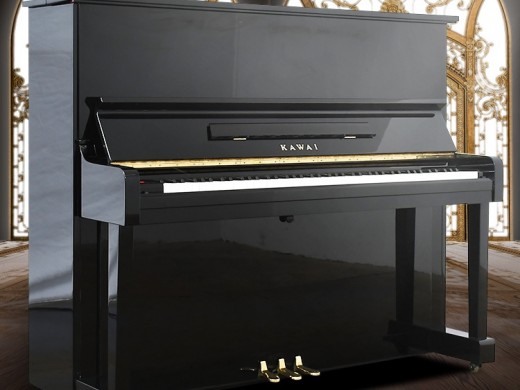
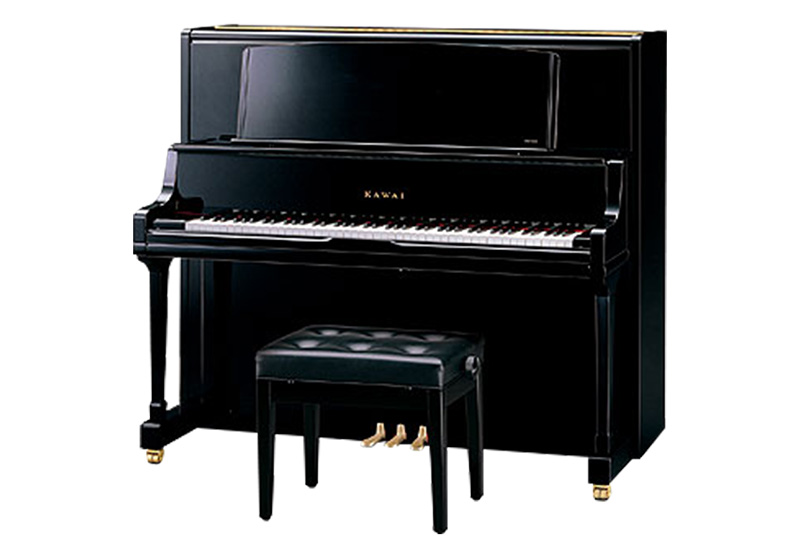
1. Purchasing a Piano: Even parents of beginners will opt for a better brand piano, as they believe that a child will have good hardware to learn from and will also be motivated to adopt a positive attitude (parents catering to your preferences, providing the best conditions possible). This also allows the child to experience a pleasing sound and a good feel at an early stage. They can easily sense the beauty of music as they begin to perform with their limited skills, which reassures parents that since learning isn't without conditions, choosing a high-brand piano won't significantly depreciate in value if it's not continued. Economically speaking, it's not a loss. Especially from the perspective of home arrangement and child health, it's a great deal. Of course, some parents may choose relatively inexpensive $10,000 or $10,000 pianos to teach their children. This idea is from a capital investment standpoint, but musical instruments require good materials and technology to produce good sound quality and feel, so production costs and product value are not inexpensive.
2. Piano Rental:
Renting a piano truly alleviates concerns about the instrument lying idle after the child stops learning. If you can rent a piano from a full brand, you'll have this buffer period. After some time of learning, you can decide whether to continue renting or purchase the piano. Of course, the total cost of renting a piano is also comparable. The deposit and rental for new brand pianos are higher than those for older ones. Pianos with longer rental lifespans may encounter issues during use, requiring the tenant to bear the repair costs, so it's better to buy a piano due to the availability of after-sales service. Users need not worry about repair issues. However, the major advantage of renting a piano is that the initial capital investment seems slightly lower than buying a piano (of course, this also depends on the price comparison between buying and renting). Additionally, some parents may opt to buy imported second-hand pianos for their children. In fact, most are not recommended.
A batch of imported second-hand pianos has been in use for several decades. Meanwhile, no one knows what the users have experienced. Second-hand piano factories can restore the pianos to normal functioning in a short time, but various issues may arise after some use. It's crucial to the users' health. The major concern with second-hand pianos is the high level of uncertainty.
In summary, if we choose the path of piano learning for our children, no matter what happens in the future, we first need to provide them with good hardware equipment, while also considering their health. However, the editor would like to remind you that whether to purchase a piano, for learning purposes or otherwise, requires careful consideration!