


Properties of Polyurethane Elastomers
Polyurethane elastomers are typical multi-block copolymers, composed of molecular chains made up of flexible chain segments with glass transition temperatures below room temperature and rigid chain segments with glass transition temperatures above room temperature. The flexible chain segments are formed by oligomer polyols, while the rigid chain segments are composed of diisocyanates and small molecular chain extenders. The block structure of the flexible and rigid chain segments determines their unique properties, primarily manifested in:
(1) Wide hardness range. The hardness range of ordinary rubber is generally between Shore A20 and A90, while plastics range from A95 to D100. Polyurethane elastomers can achieve as low as below Shore A10 and as high as D85 without the need for fillers. (2) High strength and elasticity. Polyurethane elastomers maintain high strength and elasticity across a broad hardness range. (3) Excellent wear resistance, up to 2-10 times that of natural rubber, known as "wear-resistant rubber." (4) Good resistance to water, oils, and chemicals. (5) High impact resistance, fatigue resistance, and vibration resistance, suitable for high-frequency bending applications. (6) Good low-temperature performance. Low-temperature brittleness is approximately below -30°C or -70°C. (7) Excellent thermal insulation properties. Due to its lower thermal conductivity, it offers better insulation than rubber and plastics. (8) Good biocompatibility and anticoagulation properties.
Additionally, these materials also exhibit excellent electrical insulation properties, mold resistance, and UV stability. Diverse processing methods
Polyurethane elastomers can be processed into shapes using conventional rubber techniques such as plasticization, blending, and vulcanization, or they can be used in liquid form for processes like casting, injection molding, centrifugal casting, or spraying. Additionally, they can be made into granular materials for injection molding, extrusion, calendering, blow molding, and other成型 methods.
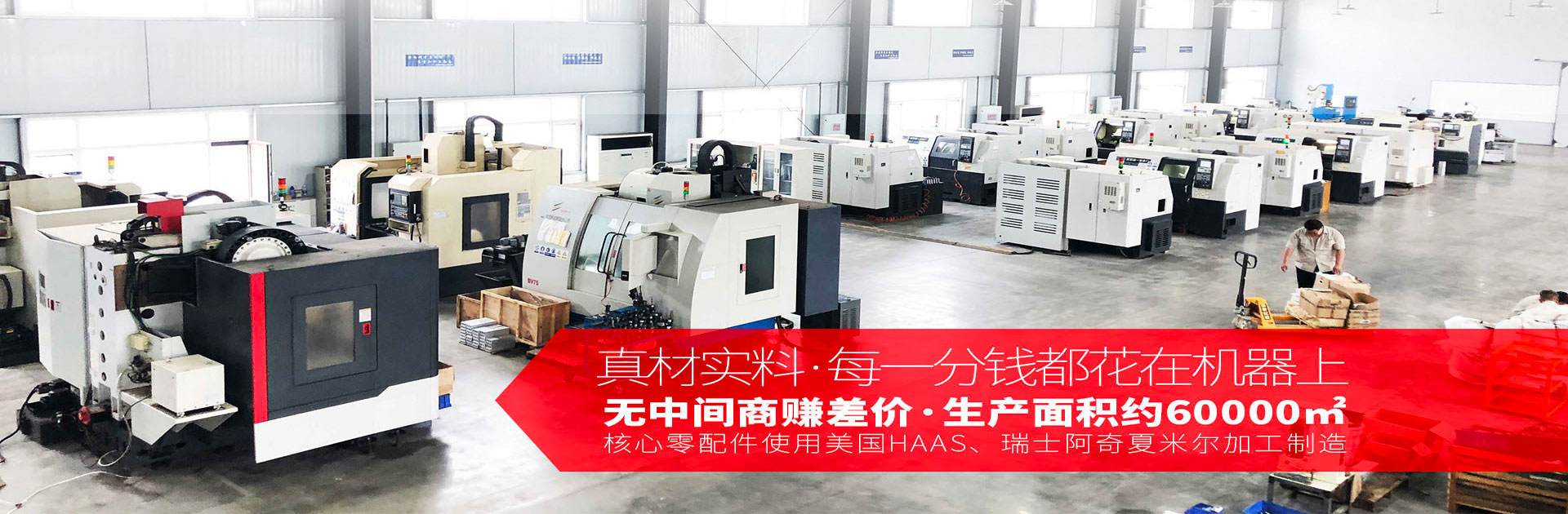
Products molded or cast can be further processed through semi-finished turning by mechanical means. This method of semi-finished turning has become a relatively popular processing technique in the industry in recent years. Particularly for cast polyurethane elastomers, after mechanical casting with an elastomer casting machine, the semi-finished products are re-turned using CNC machines. This process not only enhances work efficiency but also significantly improves the dimensional accuracy and appearance of the products. Moreover, using the casting machine for casting avoids potential hidden defects that could arise from manual casting, greatly extending the product's lifespan.
Widely applicable
Due to the numerous excellent properties of polyurethane elastomers, coupled with their flexible processing methods, polyurethane elastomers have been increasingly applied in various industries in recent years, with their scope of application expanding continuously.
2. Textile & Apparel Industry
Polyurethane elastomers also find significant application in the light textile industry, including textile roller for gluing, wire winding wheels, speed-up wheels, revolving wheels, dyeing and printing roller, fiber cutting roller, fiber drawing roller, artificial leather, synthetic leather surface coating and adhesive, upper leather and soles for shoes, and adhesives for various purposes.Leatherette, soft foam mattress, seat pads, sofa pads, refrigerator insulation, painted finishes for furniture and light industrial products.
Transportation
Today's automotive industry is evolving towards high performance, low weight, comfort, and safety. Rubber and plastic composite materials are gradually replacing metals, opening up vast prospects for the application of polyurethane elastomers. Materials such as bumpers, steering wheels, seats, backrests, door armrests, ceiling pads, and airbags are widely using polyurethane elastomers. In recent years, new green polyurethane composite tires are also being developed. Additionally, solid tires, fender buffers, bus winter mats, engine oil tank seals, and shock-absorbing pads for railway sleepers are being utilized.
4. Oil Fields & Mining
Applications in the oilfield include pipeline, storage tanks, insulation materials, valve seals used in oil fracturing processes, and some wear-resistant sealing elements. Additionally, polyurethane elastomers are utilized in anti-corrosion suspended coatings for offshore oil extraction.
Polyurethane elastomers have already reached a mature level of application in the mining industry. In processes such as ore lifting, grading, screening, dewatering, and conveying, the majority of equipment requires the use of polyurethane elastomers as structural components, including ore screening plates, meshes, solid wheels, ball mill linings, polyurethane hydrocyclones, rotors and stators of flotation machines, as well as some conveyor belts and hydraulic support seals.
High-performance hydraulic support seals are suitable for various columns and jacks on fully mechanized coal mining hydraulic supports. They take full advantage of the complementary properties of polyether polyurethane elastomers, nitrile rubber, and polyformaldehyde materials. This combination seal has a low friction coefficient, long service life, easy installation, and can greatly enhance the performance of fully mechanized hydraulic supports, achieving stable support pressure and high reliability. It is a replacement product for the selection of hydraulic support seals in coal mining fully mechanized hydraulic supports.
Especially for the polyether polyurethane elastomers segment, an advanced mold-free turning processing technology is employed.The distinction between "standard" and "non-standard" can be tailored to meet user needs with the design and manufacturing of sealing parts of any size and cross-section at any time. Moreover, this combination of sealing parts boasts a wide variety, high demand, and high product value-added.
Many domestic polyurethane manufacturers have also seized this business opportunity, continuously increasing their investment in this field, purchasing various imported CNC lathes to enhance their corporate competitiveness, even spawning numerous manufacturers specializing in hydraulic assembly seals.
5. Construction Engineering
In the field of construction engineering, the applications of polyurethane elastomers include waterproofing materials, sealants, cold storage wall materials, moisture and frost-proofing materials for buildings, elastic flooring, adhesives, and coatings, etc.
In the field of engineering and construction waterproofing, the Xi'nan Rubber and Plastic Research and Design Institute independently developed a polyether-type polyurethane elastomeric sealant, mainly used for waterproofing in subway and under-river tunnel underground projects. It takes advantage of the property of the main chain of the elastomeric material containing strong water-absorbing groups to produce water-absorbing and expanding elastomeric waterproof materials. The volume expansion rate of this waterproofing sealant after absorbing water can reachOver 400% increase, and the tensile strength after absorption can still maintain a high level. This technology fills a domestic gap and breaks the monopoly of Japanese companies in the domestic market. It has now been successfully installed and used in Shanghai, Nanjing, Wuhan, Hangzhou, and other cities, meeting the needs of underground waterproofing projects.
6. Biology and Others
Polyurethane elastomers have emerged as a hot field in recent years. Their superior performance in the biomedical sector has led to an increasing demand for their applications, which are now widespread in artificial hearts, films, elastic bandages, catheters, teeth, artificial skin, prosthetics, cartilage, and other areas where polyurethane elastomers are used.
The unique structure of polyurethane elastomers makes them distinct from natural rubber, silicone rubber, and other materials.Compared to high polymers like α-olefin rubber, polyurethane elastomers exhibit superior biocompatibility. Studies by relevant institutions on the morphological changes of platelets adhering to high polymer surfaces indicate that the surface of polyurethane elastomers adsorbs fewer and less deformed platelets compared to silicone rubber, confirming that polyurethane elastomers have better blood compatibility than silicone rubber. Consequently, polyurethane elastomer materials have become the material of choice for researching artificial hearts and their auxiliary devices in many countries.
The American company has synthesized a compound fromA block copolymer composed of 90% polyurethane and 10% polydimethylsiloxane (PDMS) has been developed, which is used to manufacture artificial hearts and auxiliary devices, aortic balloons, catheters, and vascular devices. During clinical applications, these devices demonstrate good blood compatibility and antithrombogenic properties. Additionally, a new type of polyurethane film has been developed in recent years, gradually replacing traditional PE and PVC films. The polyurethane elastomer film is made by coating a pressure-sensitive adhesive on the surface of a polyurethane elastomer film base. It retains the advantages of PE and PVC films, such as waterproofing and resistance to body fluid penetration, while also offering thinness, softness, skin-friendly properties, high elasticity, high moisture permeability, and waterproofing. Furthermore, it effectively inhibits the migration of various pathogens during surgery.
In other applications, polyurethane tracks for sports, badminton courts, tennis courts, and sports shoes, etc.
In summary, polyurethane elastomer materials are increasingly being applied to various fields of our daily production and life. Due to their numerous performance advantages, there is a trend for polyurethane elastomers to replace rubber and plastic in many aspects, emerging as a new and popular high polymer material.
Questions and Outlook
Polyurethane elastomers are not perfect; they do have their drawbacks:1. High internal heat, general high-temperature performance. The normal operating temperature range for polyurethane elastomers is -30℃ to 80℃, and it is not recommended for long-term use above 120℃. 2. Not resistant to strong polar solvents and strong acidic or alkaline mediums. At certain temperatures, alcohols, acids, and ketones can cause swelling and degradation of polyurethane elastomers. Solvents like dimethylformamide, trichloroethylene, etc., can cause swelling of polyurethane elastomers at room temperature.
The domestic demand for polyurethane is increasing year by year, but some key raw materials are still mainly imported, limiting the development of the polyurethane industry. We should accelerate the domestic production of key raw materials, producing high-quality and cost-effective materials.
The alloying research of polyurethane elastomer materials has also become a hot topic in polymer material research in recent years. Polyurethane elastomers can be combined withComposite various synthetic resins such as PVC, PE, ABS to reduce costs and enhance performance. Polyurethane elastomers can also be modified by adding organic fillers to highlight or strengthen certain properties, or to address certain drawbacks of polyurethane elastomers to meet specific requirements.
With the increasing demands for polyurethane elastomer products and the enhanced environmental awareness among the public, the development of new aliphatic polyisocyanates has become an urgent research topic.
