


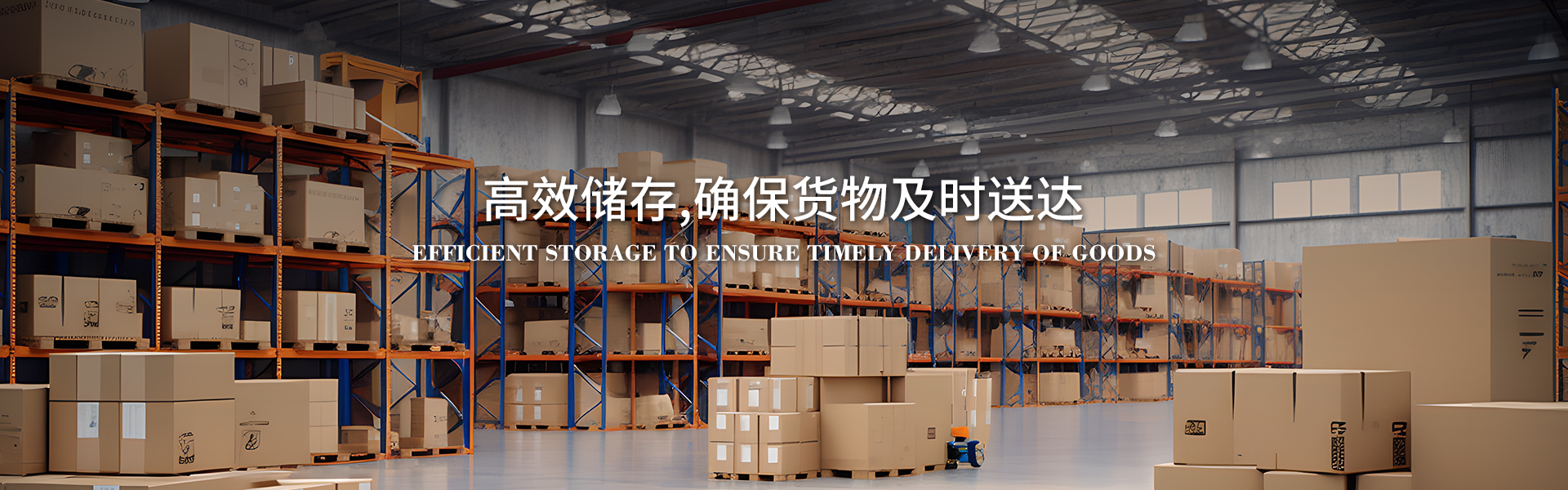

When it comes to logistics, the first thing that comes to mind for the author is the warehouse—the massive ones found in large corporations, have you ever visited one? The author has a classmate who majored in chemical engineering in college and went on to work as a warehouse manager after graduation. Compared to production line jobs in chemical companies, the logistics warehouse management position doesn't involve as much pollution, nor does it pose the risk of chemical experiments gone wrong, like glassware explosions, making the environment much more comfortable.
Many articles discuss logistics in the era of big data, with many foreign studies on the subject. Let's start with the warehouse aspect of logistics.
Dr. Ralph from Jibol University has been studying human-computer systems and user system design since obtaining his Ph.D. in 1973. Over four decades, he believes that with the era of big data analytics, the data warehouse of enterprises is undergoing a transformation, entering the big data era to meet the ever-growing demand challenges.
Patrick, the Editor-in-Chief of the "Logistics and Supply Chain Management Review" magazine, has conducted extensive research on logistics and supply chain in San Francisco for many years. He believes that in this era of big data, all big data will become the key to competition. According to the McKinsey Global Institute (MGI), companies are seeking ways to use big data to better serve customers, offering various open data for free while ensuring privacy, confidentiality, and security. The rapid development of multimedia, social media, and the Internet of Things will drive an exponential growth in corporate data in the future.
Oracle's Market Director, Vamshidharan, believes that the vast amount of data in the big data era will have a significant impact on the logistics industry. Companies are collecting various real-time data through various channels, including sensors and smartphones. IT firms are also providing clients with new data through logistics. Faced with an overwhelming amount of data, companies need a strategy, such as hardware infrastructure, information collection and analysis, and providing operational and collaborative networks for clients.
Mobile devices have ushered in an unprecedented era of real-time transmission in the logistics industry. Smartphones and tablets receive, process, and send vast amounts of data, including electronic vehicles, trucks, sensors, and trailers equipped with radio frequency card readers in distribution centers.
From a global logistics perspective, manufacturers, retailers, distributors, third-party logistics providers, logistics, freight forwarders, marine, trucking, rail, air freight, trailers, mobile equipment, logistics hubs (airports, seaports, rail terminals), regulatory agencies (customs), etc., have made the U.S. logistics sector exceed $1 trillion, accounting for over 10% of the GDP. In developing countries like India, logistics contributes to more than 15% of the GDP.
Big Data is increasingly influencing the logistics industry, affecting shippers, retailers, social networks, personalized websites, mobile devices, suppliers, and carriers alike. The logistics sector is set to face challenges, possibly leading to structural changes within the industry, as the impact of vast amounts of data on logistics grows.
The rapid advancement of internet and mobile terminal technologies, coupled with the exponential growth in user numbers, suggests that the impact of the big data era on the logistics industry could be tremendous.
1. Traditional Enterprises
Traditional enterprises, such as the chemical industry, produce a variety of everyday products, including towels, washbasins, soap, paint, and automotive fuel. In recent years, these companies have driven expansion and development by continuously increasing investments in production materials. This led to a rapid increase in product output, which was stored in warehouses or transported to the market. However, traditional enterprise investments have reached a saturation point, and these businesses are in dire need of transformation and upgrading. Many companies are also beginning to focus on e-commerce, hoping to better complete sales or communicate with customers by moving their offline products online.
2. Shopping Malls & Supermarkets
That day, I read an article that suggested the future of physical store malls might involve more integration of online shopping platforms. Customers entering large malls would be able to use various devices such as smartphones or tablets to access the internet, check mall information in rest areas, quickly search for desired products and product details, and then make purchases directly through the device or quickly proceed to the mall counter for a purchase.
Some large shopping malls are compelled to enhance services and adopt innovative approaches to retain customers, such as experience stores or counter sales combining leisure and entertainment activities. Additionally, the mall's merchandise will transition from offline to online, establishing an online mall for the large-scale shopping center.
Some malls may reduce physical stores and increase online business, relocating mall employee offices from the mall's corners to office buildings. Simultaneously, there will be an expansion in the construction of large logistics warehouses and an increase in various transportation tools within them. These large warehouses are no longer just simple storage facilities; they have become bustling workspaces. Staff are not just guards but highly skilled professionals with modern logistics knowledge, even requiring the ability to operate various automated transportation vehicles.
3. Furniture Mall
In the city where I reside, there were once two large furniture malls. However, in the past couple of years, these physical furniture malls have vanished, and it's rumored that they've all been converted into e-commerce platforms, with the furniture now stored in distant warehouses.
Electronics
In this city, there's a massive electronics trading center with three to four floors, filled with a variety of household appliances. The mall is rented out to individual private counters. Originally, the mall was bustling with customers looking for affordable and practical household appliances like desk lamps, flashlights, radios, speakers, and small light bulbs. However, many small mall owners have now moved their products online, resulting in a noticeable decrease in customers at the mall.
5. Internet of Things and Personalized Logistics
The future of the Internet of Things will connect various household appliances, such as community surveillance systems, televisions, color TVs, refrigerators, private cars, air conditioners, smoke ovens, ovens, microwaves, and more. It will also enable personalized services, including community notifications and services, appliance after-sales repair, residents' payment of utilities like electricity, water, gas, community safety monitoring, and express logistics services.
As the internet enables faster and more convenient information flow, and internet finance facilitates monetary transactions or transfers, the logistics industry is poised for rapid development. The author predicts that the logistics sector will drive the swift growth of the service industry, maintaining its rapid expansion. The scale and service capabilities of the industry will increase, positioning logistics as the next pillar industry.
