

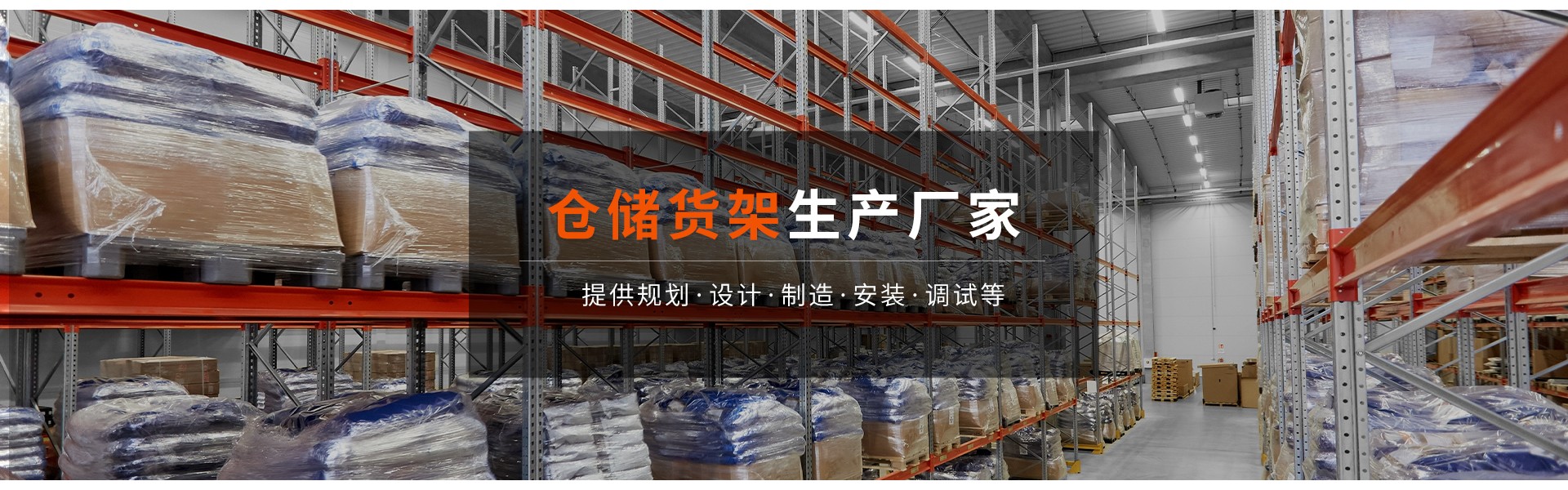


With the rapid development of the modern logistics industry, the utilization rate of logistics auxiliary equipment like storage racks, which form the foundation of Beijing's logistics sector, has been on the rise. Storage racks are typically made of metal, offering certain load-bearing strength to withstand the pressure of goods. More often than not, there's no need to overly focus on the appearance of storage rack products like other goods, but issues such as stability, craftsmanship, and the lifespan of warehouse racks have gradually become concerns for consumers purchasing them. Everyone knows that every product has its usage limit; continuing to use it beyond this limit can lead to various problems, and in severe cases, even endanger personal safety.
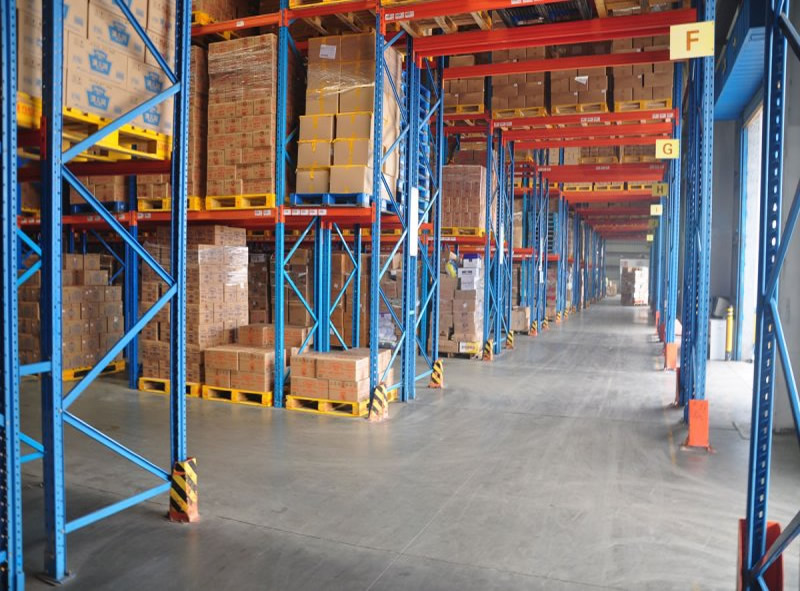
There are numerous factors that can impact the lifespan of storage racking, such as warehouse temperature, humidity, lighting, and ventilation conditions. Excessive humidity in the warehouse can lead to rust on the racks, reducing their load-bearing capacity and shortening their usable life. So, how can we extend the lifespan of storage racking?
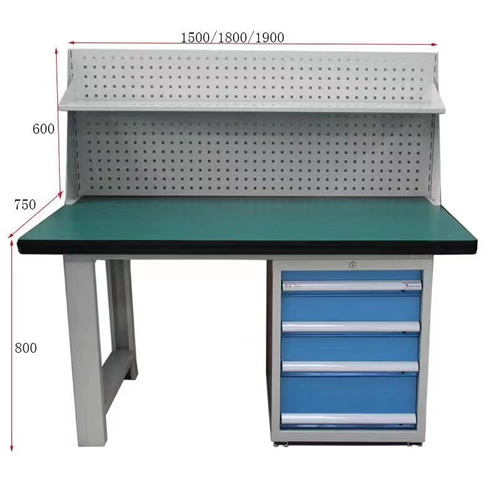
Today, I'll discuss how to maintain storage racking.
1. Regularly apply protective paint to reduce rust, conduct daily inspections, and promptly secure any loose screws. Ensure proper ventilation to maintain a dry storage environment.
2. Avoid excessive sunlight exposure, properly ventilate the shelves, prevent wet goods from being placed on the shelves, and strive to drain and dehumidify.
3. Provide a set of collision posts tailored to various shelf heights, aisle widths, and transport equipment. Install collision barriers at aisle locations.
4. The weight of goods on the shelves must not exceed the shelf's load-bearing capacity. Warehouse inventory staff should label the load-bearing limits on the shelves. Adhere to the principle of heavier at the bottom and lighter at the top, meaning heavier items should be placed on the lower shelves and lighter items on the upper shelves.
5. All heavy-duty and high-level rack warehouses are equipped with powered pallet jacks, and their operation must be performed exclusively by certified personnel. The majority of warehouse rack column deformations are caused by the improper use of pallet jacks by staff.
6. Establish shelf usage regulations. Different warehouses and different goods require distinct methods for shelf usage. Warehouse managers must formulate shelf usage regulations, ensuring that all personnel using the shelves are trained and adhere to them to achieve the goal.
