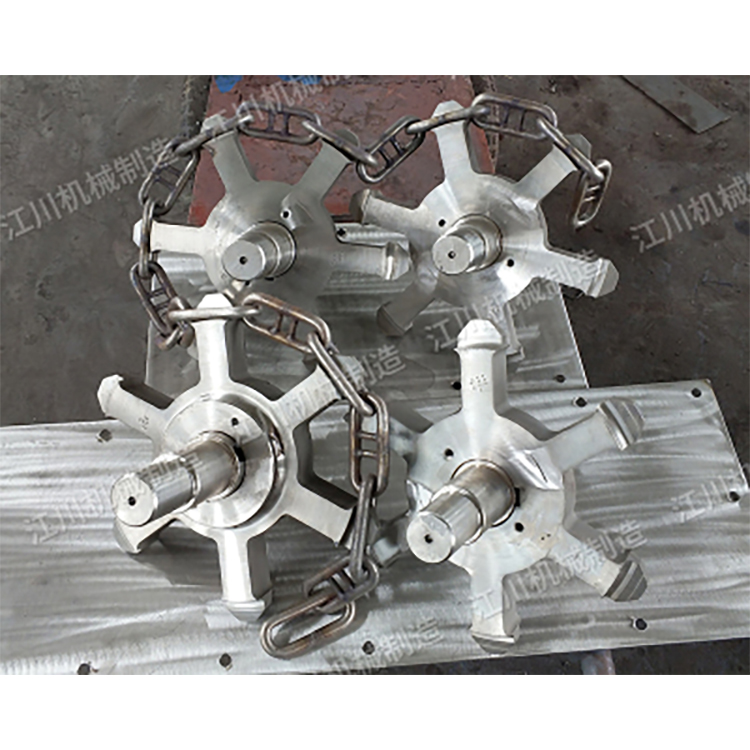

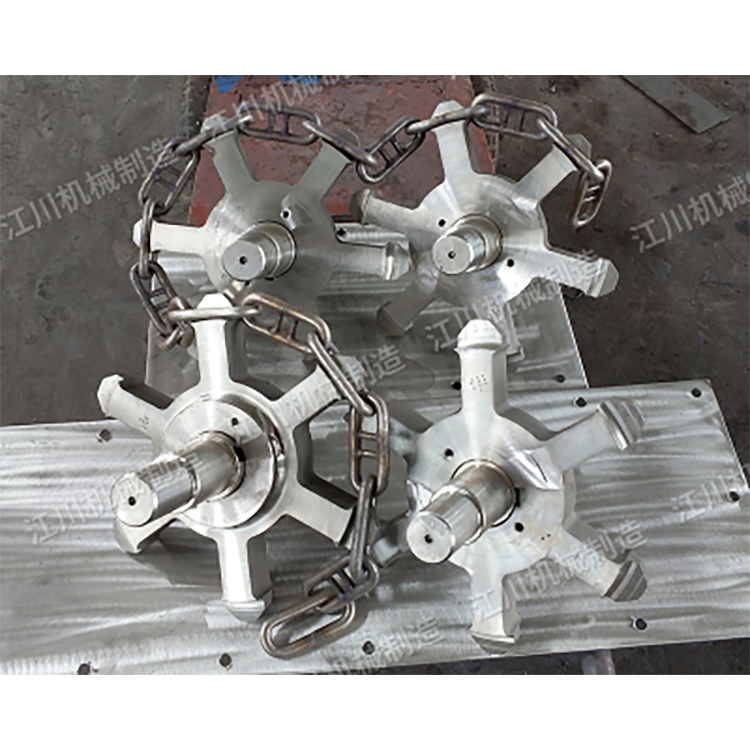

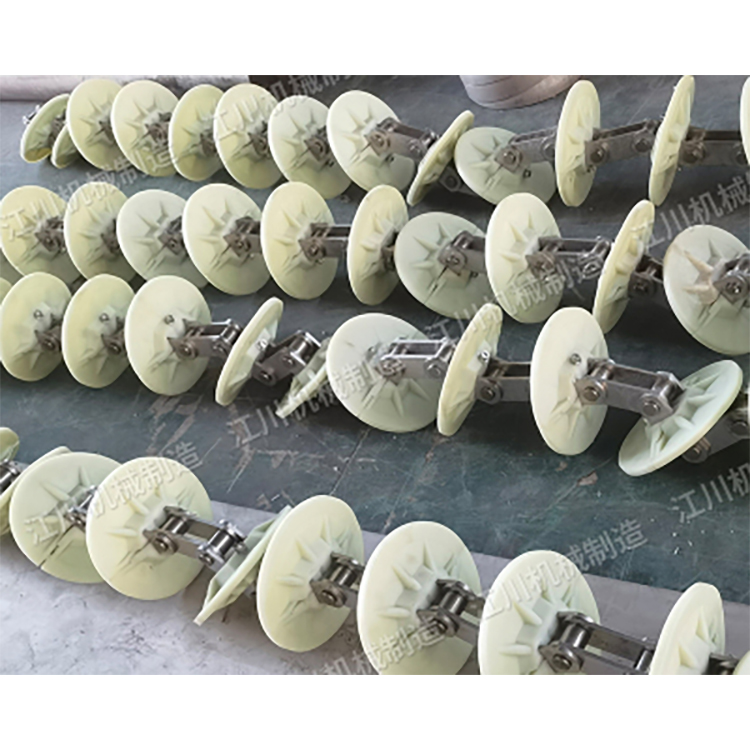
Conveyor Chain SprocketOne of the core components of conveyors, widely used in conveying equipment across industries such as mining, metallurgy, power, and chemicals. The quality and lifespan of the sprockets directly impact the efficiency and stability of the conveyor operation. Below, we will provide a detailed introduction to the structure, material, manufacturing process, and usage precautions of conveyor sprockets.
Conveyor chain sprockets typically consist of sprocket teeth and sprocket edges. The sprocket teeth are the part that drives the chain, engaging with the conveyor chain to transmit power. The sprocket edges support and guide the chain. The geometric shape of the sprocket is usually cylindrical, but in some special cases, triangular or toothed structures are used.
Chain wheels are typically made from high-strength alloy steel due to their high hardness and wear resistance, which can meet the requirements of conveyors during long-term high-speed operation. For certain special working conditions, wear-resistant cast iron or other wear-resistant materials can also be used to manufacture chain wheels.
The manufacturing process of sprockets primarily includes casting, forging, and machining. Casting is a common sprocket manufacturing process, where molten metal is poured into a sprocket mold, cooled, and shaped to form the initial sprocket shape. Forging involves heating metal billets to a certain temperature and then forging them to achieve the specific sprocket shape. Machining mainly involves polishing, turning, and drilling on the basic shape of the sprocket to ensure its precision and quality.