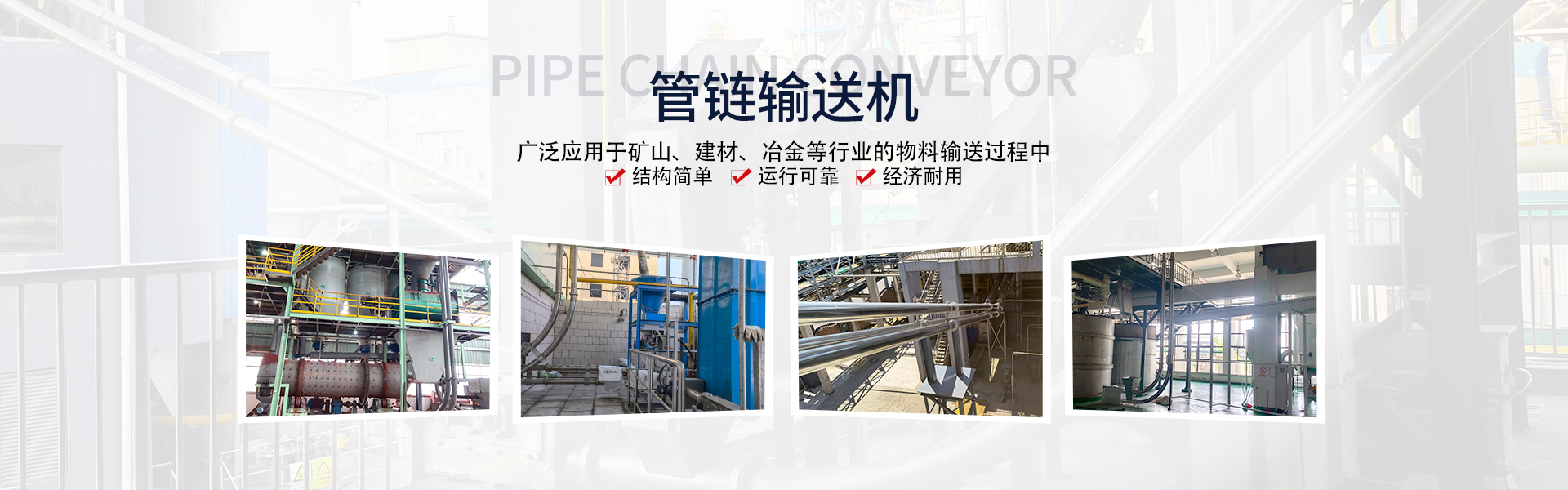
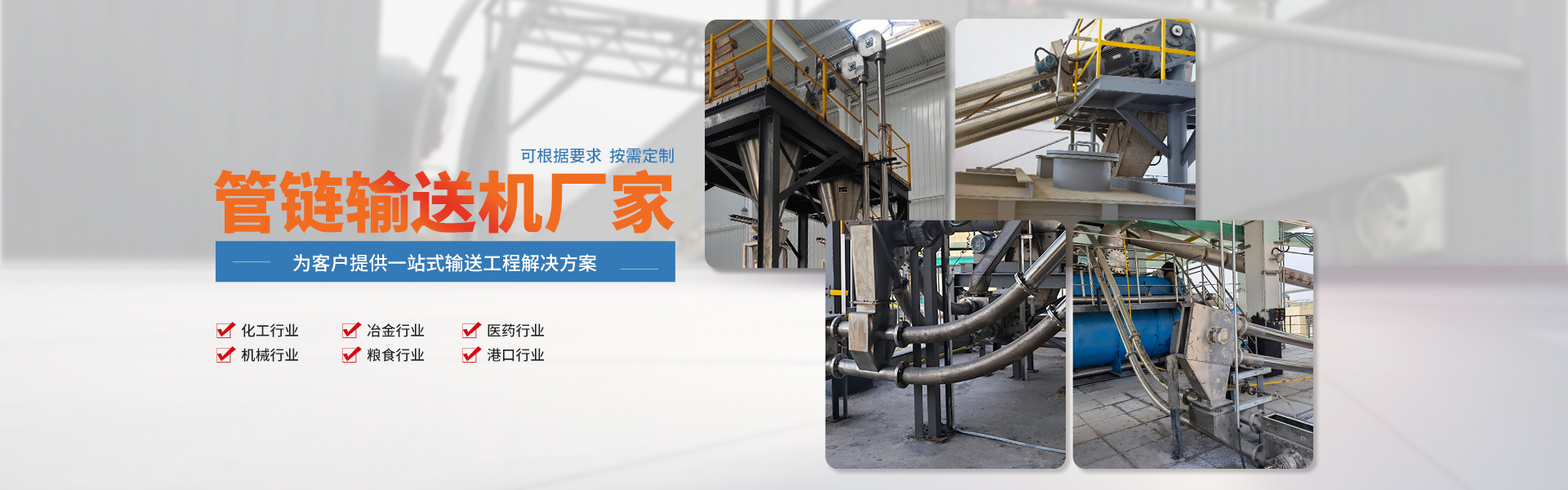

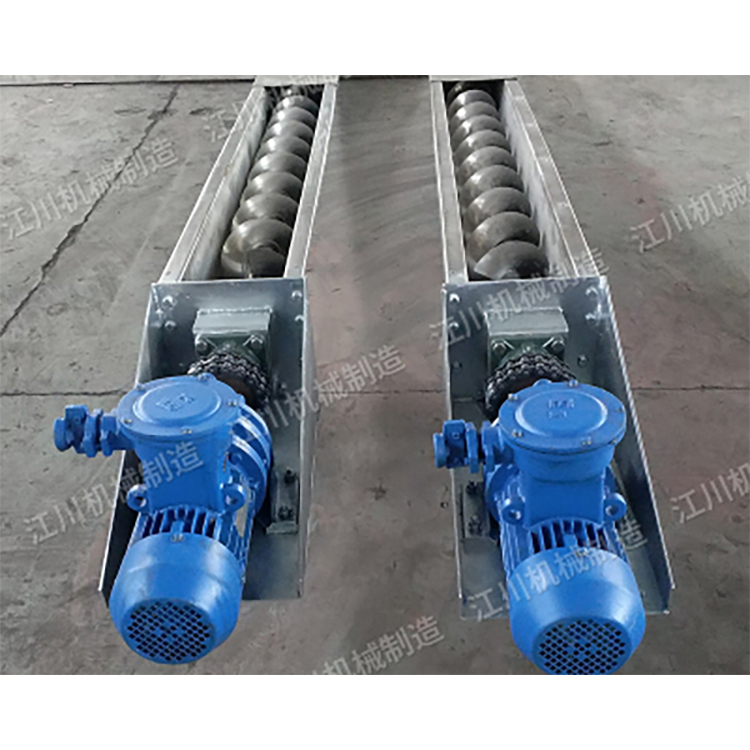

Spiral ConveyorIt is a common material conveying equipment, widely used in industries such as chemical, metallurgy, construction, smelting, and grain processing. Its working principle is to transport materials from one point to another through spiral blades, featuring large conveying capacity, good continuity, and safety reliability.
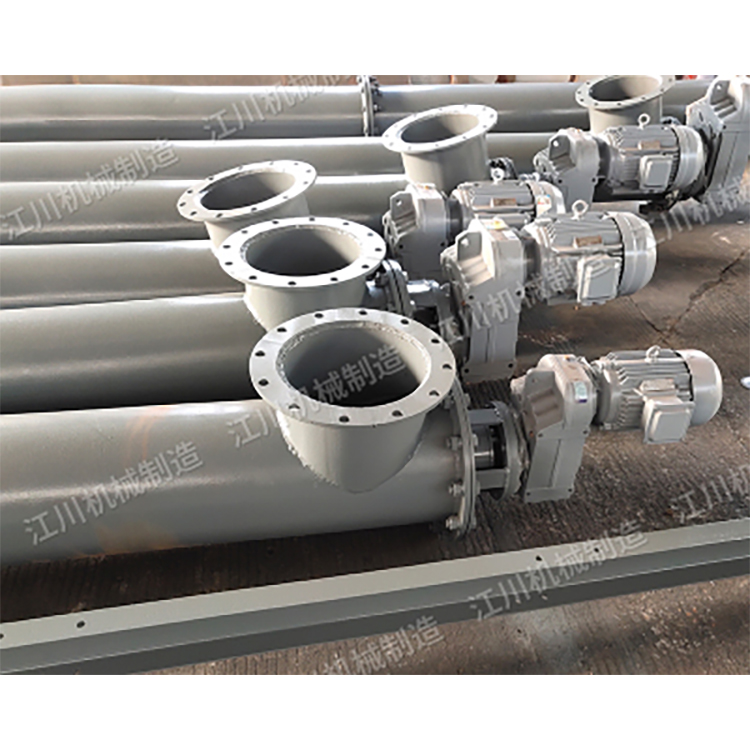
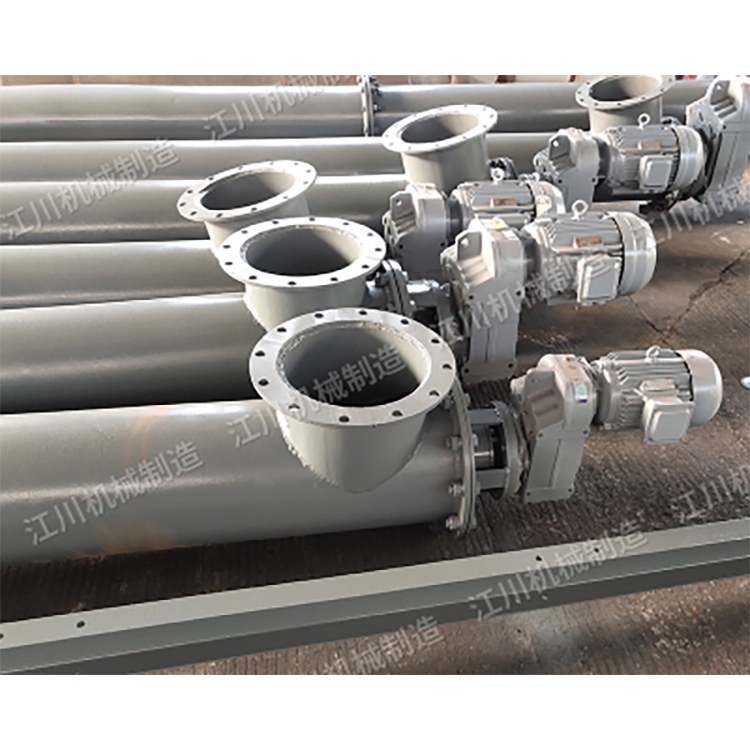
The screw conveyor is composed of a motor, reducer, spiral blades, supports, and a central shaft. The motor drives the spiral blades through the reducer, thereby conveying materials. The spiral blades are typically made of steel, featuring high strength and wear resistance, making them suitable for conveying various types of materials.
The conveying capacity of the screw conveyor mainly depends on the diameter of the screw blades, the speed of rotation, and the size of the feed opening. The larger the diameter of the screw blades, the greater the conveying capacity; the higher the speed of rotation, the greater the conveying capacity; and the larger the size of the feed opening, the greater the conveying capacity. Additionally, the properties of the material will also affect the conveying capacity of the screw conveyor. For instance, when the material has high viscosity and humidity, the conveying capacity will decrease.
One of the advantages of the screw conveyor is its continuous operation. Due to the rotation of the spiral blades, materials can be continuously transported from the feed opening to the discharge opening without interruption. This makes the screw conveyor play a crucial role in the production process, enabling the continuous transportation of materials.
Moreover, the screw conveyor features safety and reliability. The spiral blades are made of steel, offering high strength and wear resistance, ensuring stable operation of the equipment. Additionally, the screw conveyor is equipped with an overload protection mechanism that automatically shuts down the machine when the conveying volume exceeds the rated value, preventing damage to the equipment.
In addition to conveying materials, screw conveyors can also serve as mixers and grinders. During the material conveying process, the rotation of the screw blades causes the materials to collide and rub against each other, thereby achieving mixing and grinding. This facilitates subsequent process operations.
Although spiral conveyors have many advantages in material handling, they also have some drawbacks. For instance, due to the presence of spiral blades, spiral conveyors have higher requirements for the properties of the material they handle, and cannot transport flammable, explosive, or easily deformed materials. Additionally, the rotation of the spiral blades generates noise and vibration, which can affect the working environment and the health of the workers.