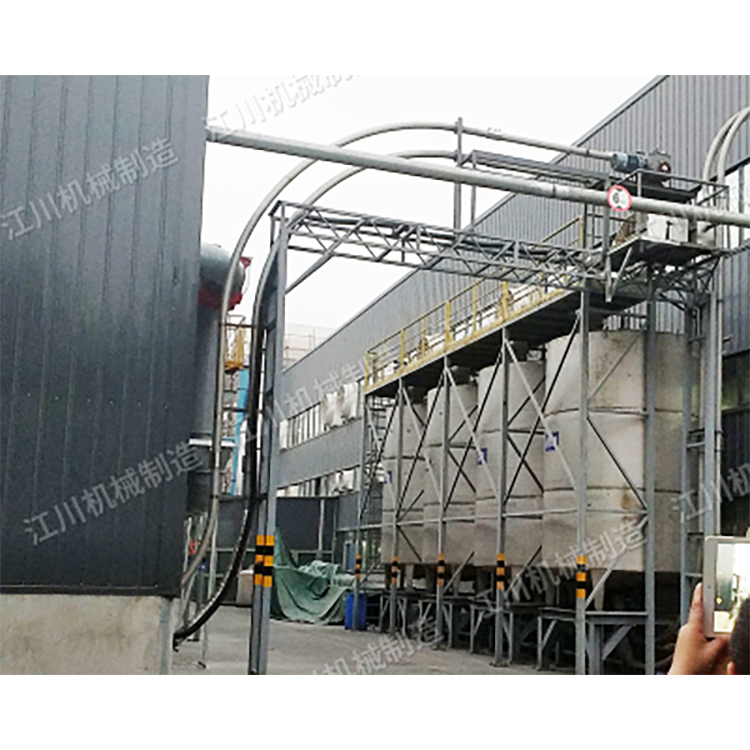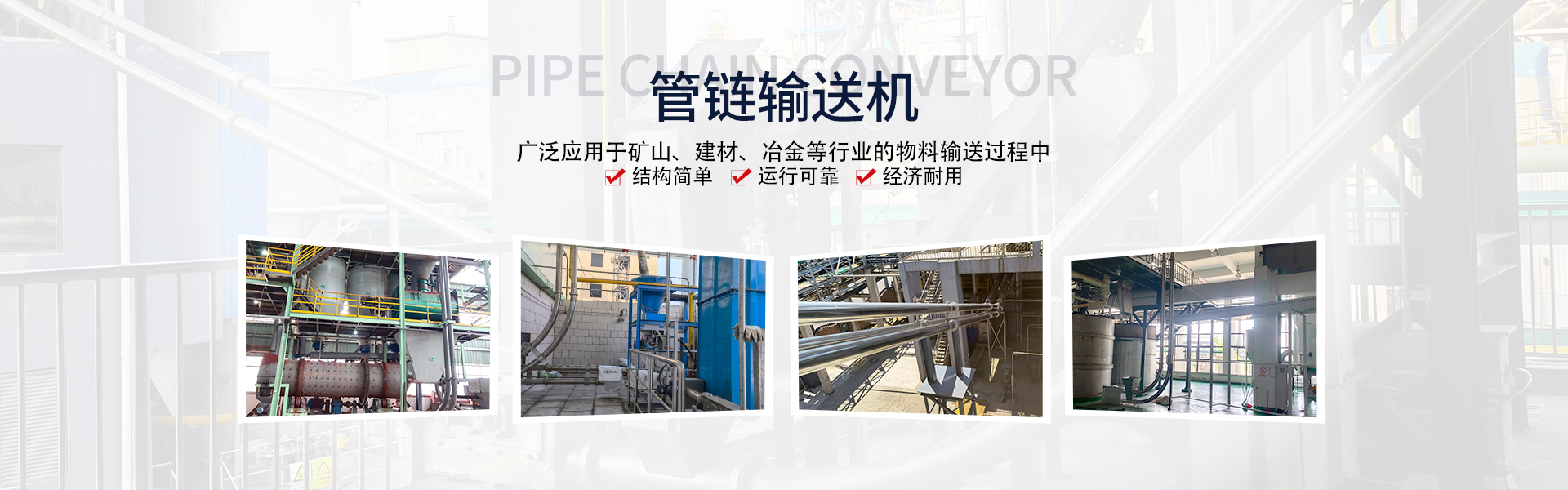
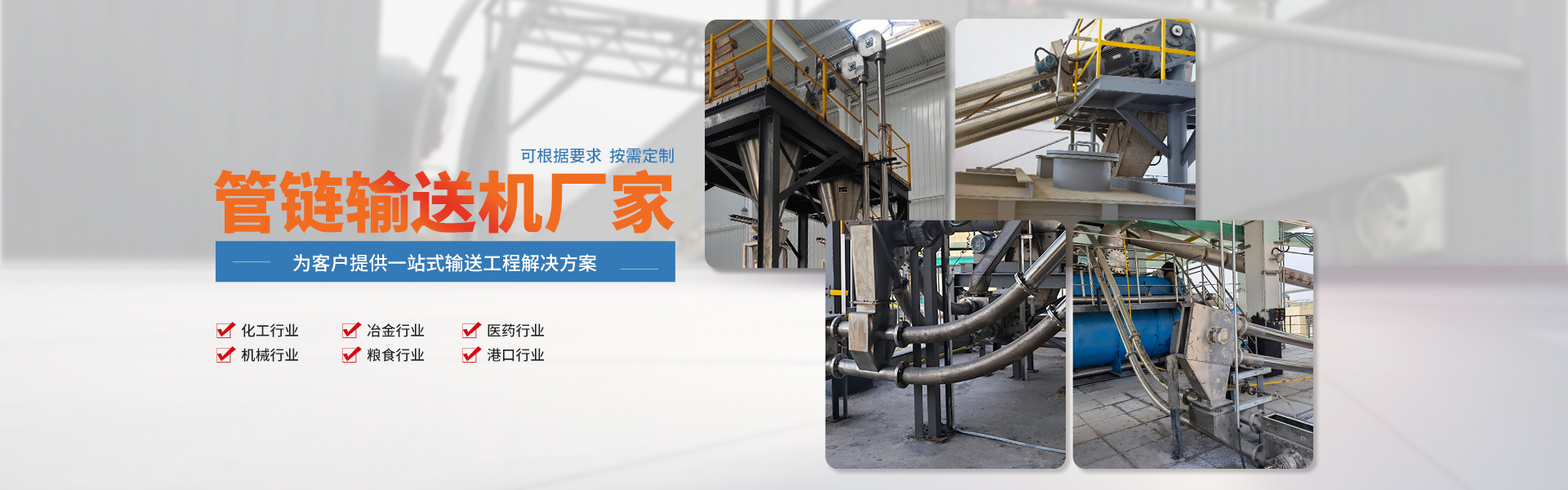


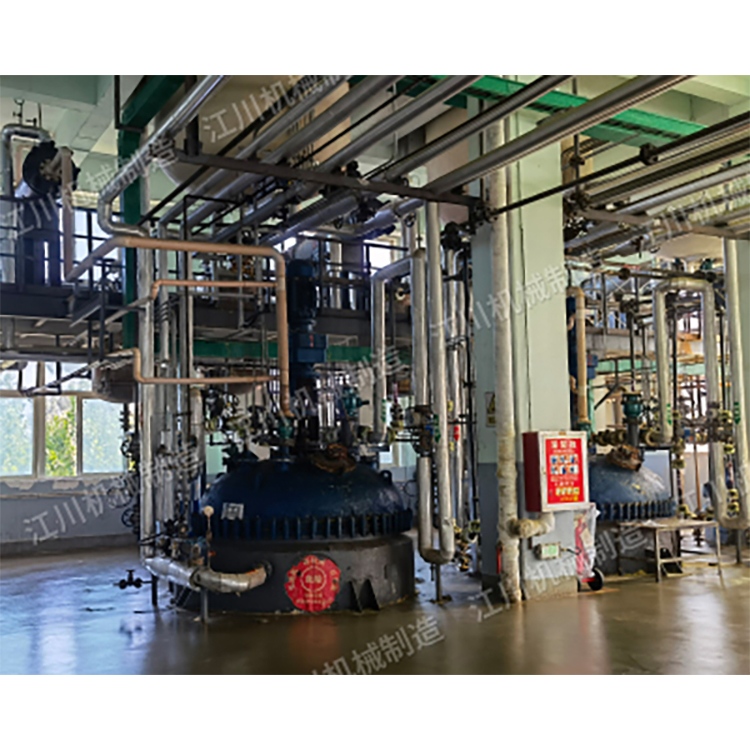
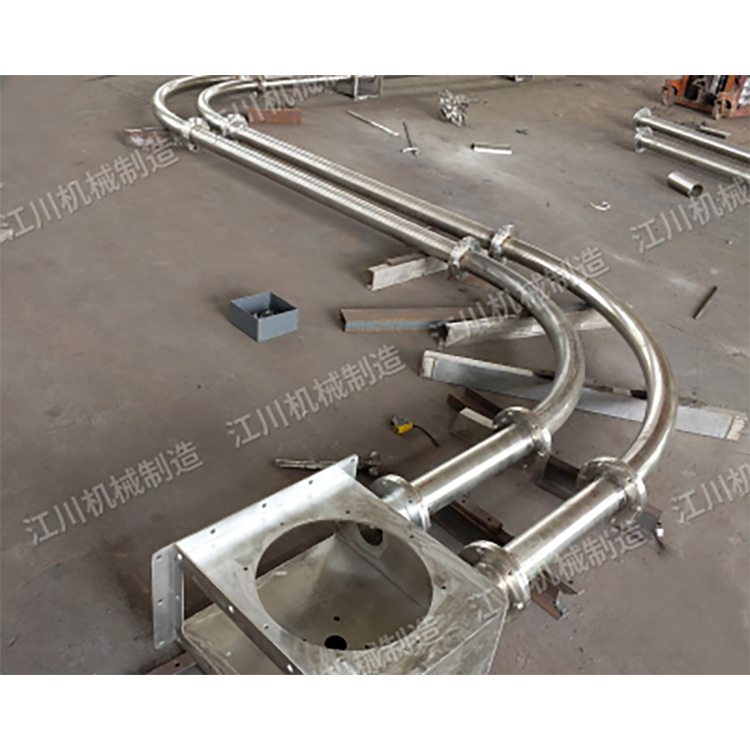
Piping Chain ConveyorA modern material conveying equipment, widely used in the conveying process of materials in industries such as mining, construction materials, and metallurgy. Its advantages include simple structure, reliable operation, economic durability, and a wide adaptability range, thus gaining favor with many enterprises. This article will introduce the chain conveyor from aspects such as its principle, composition, application, and maintenance.
The working principle of the tube chain conveyor is to use metal chains on the chain plate to transport materials from the feed opening to the discharge opening. These chains continuously circulate, forming a closed material conveying channel. Once materials enter the tube chain conveyor from the feed opening, they are propelled forward by the movement of the chain plate until they reach the discharge opening. The speed of the chain can be adjusted according to the material's requirements to ensure normal material transport.
The Chain Conveyer is primarily composed of parts such as the feed inlet, discharge outlet, chain, conveyor plate, motor, and reducer. The feed inlet is used to introduce material into the conveyor, typically located at one end, while the discharge outlet is at the other end for removing the material. The chain and conveyor plate are the core components of the Chain Conveyer, responsible for transporting the material from the feed inlet to the discharge outlet. The motor and reducer are used to drive the chain's movement, ensuring the conveyor operates normally.
The tube chain conveyor is widely used in material handling processes in industries such as mining, construction materials, and metallurgy. In the mining industry, it can be employed to transport ore, coal, and other materials from mines to processing plants or for export. In the construction materials sector, the tube chain conveyor is used to convey cement, sand, and stone materials from production lines to storage warehouses or construction sites. In the metallurgical industry, it can transport slag and waste materials from smelting furnaces to treatment facilities.