
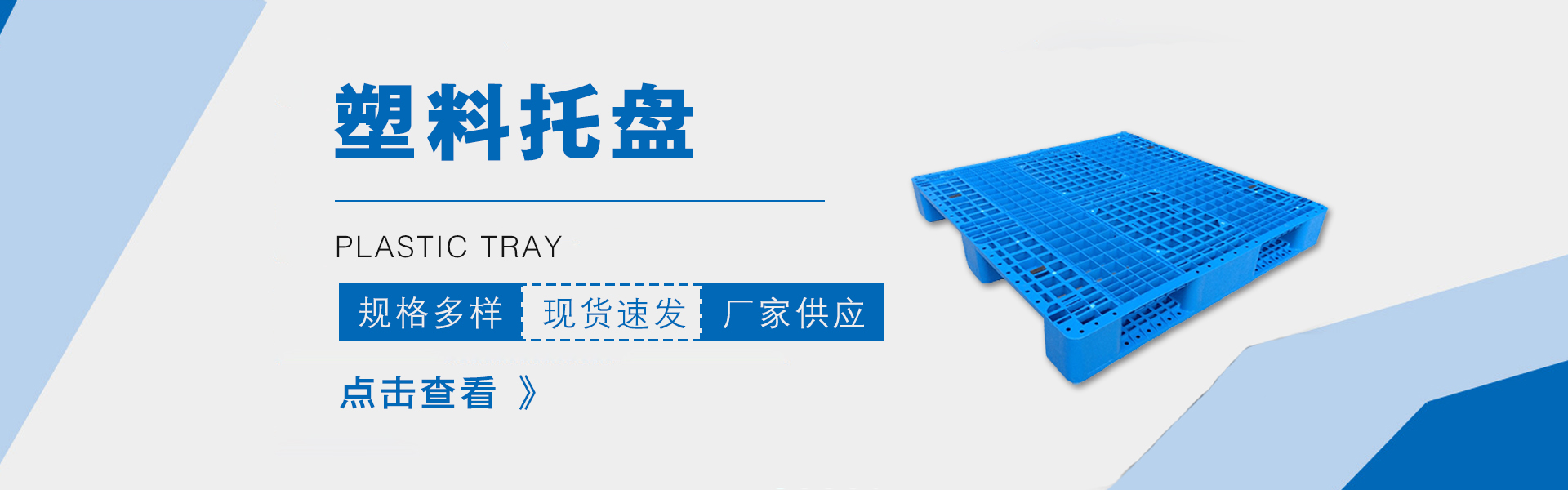



Plastic pallets are made from two main materials: polyethylene and polypropylene. Here's a clear explanation: Polyethylene boasts good impact resistance and cold resistance, excellent oil resistance, softness, low abrasiveness, and good electrical insulation. Polypropylene has superior mechanical properties, with higher strength and elasticity than HDPE, and good resistance to tilt fatigue. It also has good heat resistance and chemical stability, except for being weathered by concentrated sulfuric acid, it is stable against other chemicals. Polypropylene has excellent high-frequency insulation properties and is not soft. Currently, most use polyethylene. This is because polyethylene has strong impact resistance, can withstand low temperatures, and is resistant to acids and alkalis, making it widely used in storage departments. Plastic pallets are further enhanced with performance additives, processed through plastic and blow molding techniques. Compared to wooden racks, plastic pallets offer better overall integrity, cleanliness, and are easier to clean and disinfect. They are characterized by their light weight, lack of nails or spikes, resistance to acids and alkalis, and non-rotting properties, with a lifespan that is 5 to 7 times longer than wooden pallets. Additionally, plastic pallets are environmentally friendly and recyclable, as the waste material can be reused.
News Center Co., Ltd.
