


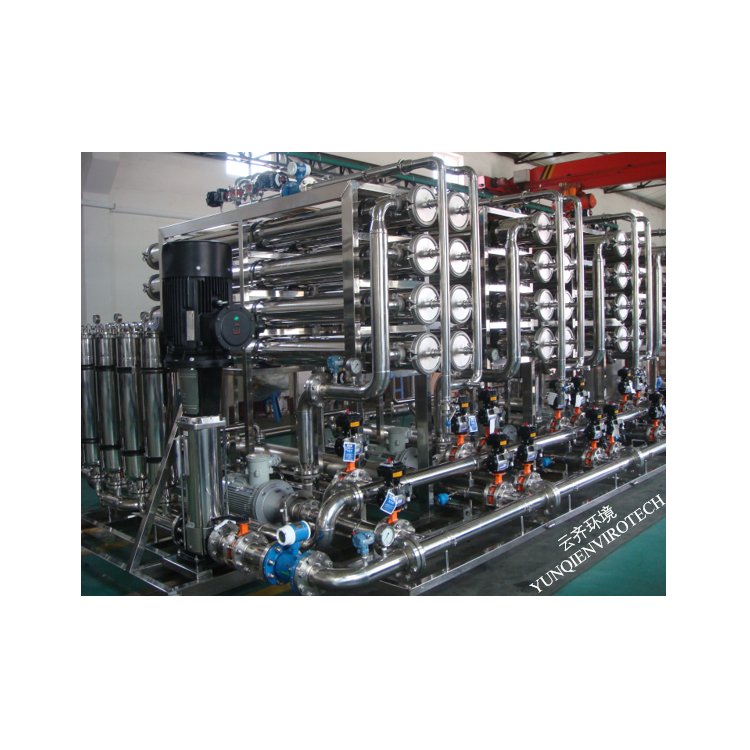
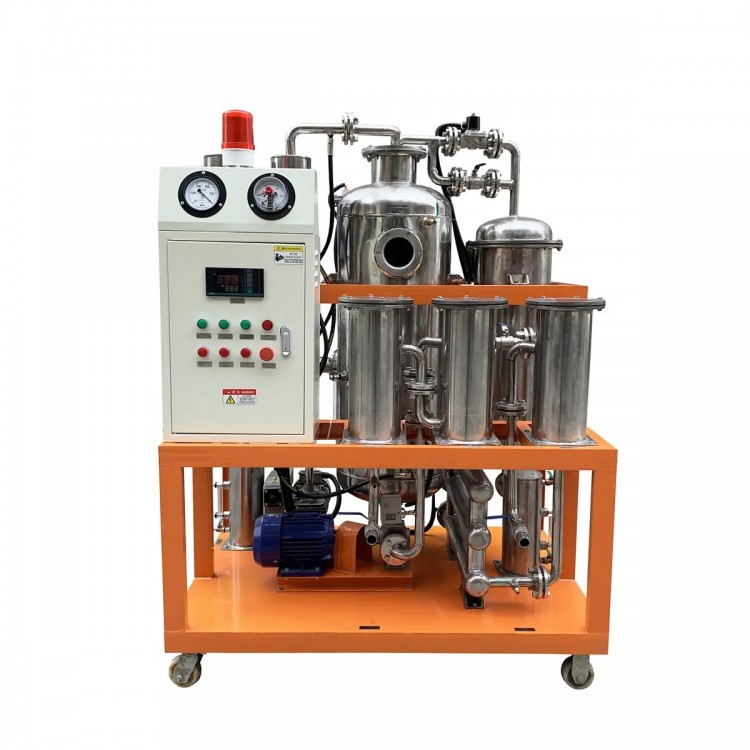

Removal methods for impurities such as fermentation broth, proteins, and pigments primarily include centrifugation, flocculation, and activated carbon decolorization techniques. Pigments are impurities produced during the fermentation process that can affect the sensory and performance attributes of the final product. Common decolorization methods involve using powdered activated carbon to filter and decolorize the liquid through adsorption, which often results in carbon leakage. During the process of adsorbing pigment molecules, the activated carbon may also adsorb the target product, reducing the system yield. Post-adsorption, the activated carbon is typically disposed of as waste, increasing the burden on subsequent waste treatment. With the implementation of the national dual-carbon strategy, there is a need for cost-effective decolorization technologies. Membrane separation is a new technology that applies membrane technology to material separation, concentration, and purification, featuring energy saving and environmental protection. Using membrane technology to decolorize fermentation broth can remove large molecular impurities such as pigments and proteins from the liquid. After membrane concentration, the fermentation broth achieves a transmittance of over 70% and the target product concentration reaches above 25g/L.
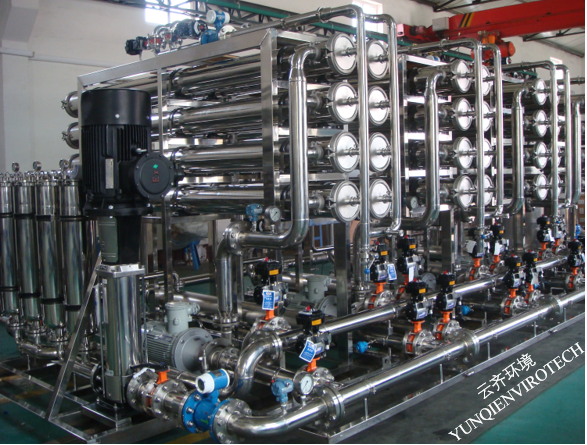
Film Decolorization Equipment Features:
Core unit utilizes decolorizing film, with high processing efficiency and minimal system footprint.
High degree of automation, capable of PLC automatic control.
Low material loss rate (especially for high-value materials)
The equipment has a compact size, with minimal residual material volume in the system, resulting in a high material recovery rate.
Typical Application Areas:
Decolorization of fermentation broth (such as tryptophan/serine/glutamic acid/L-alanine, etc.)
Xylitol Extract Decolorization
Starch sugar decolorization
Burdock root pigment removal
Oligopeptide decolorization
