

Features
Miniature gear reduction motors are a premium among reducers, boasting high technological content. They are crafted to meet the requirements of innovative technology, offering not only space-saving and reliability but also durability.
High overload capacity, low energy consumption, superior performance, minimal vibration, low noise, and high energy-saving efficiency. The gears used in the reduction motor products are precision machined.
Ensured precise positioning, the various motors configured for gear processing in the gear reducer assembly have achieved a collective integration, guaranteeing the product's usage quality.
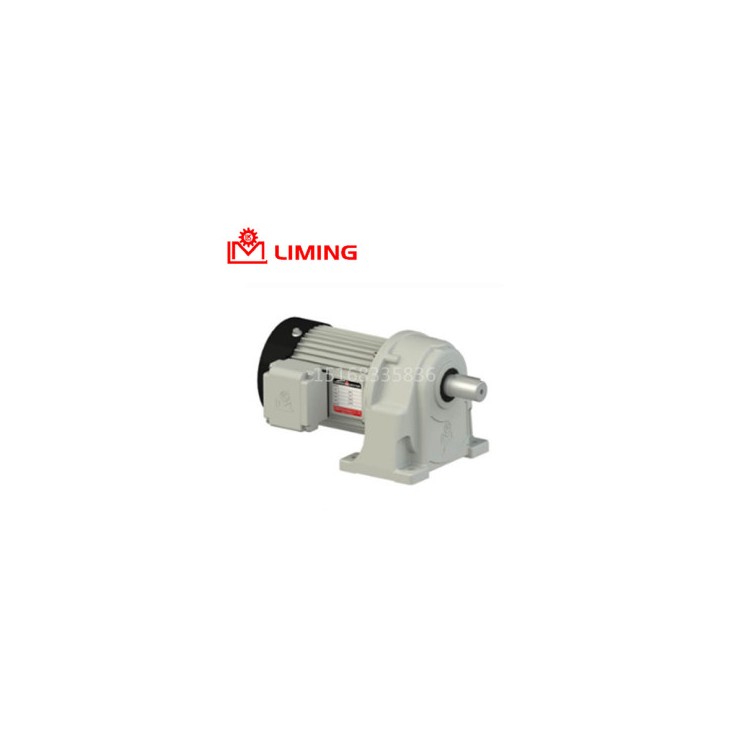
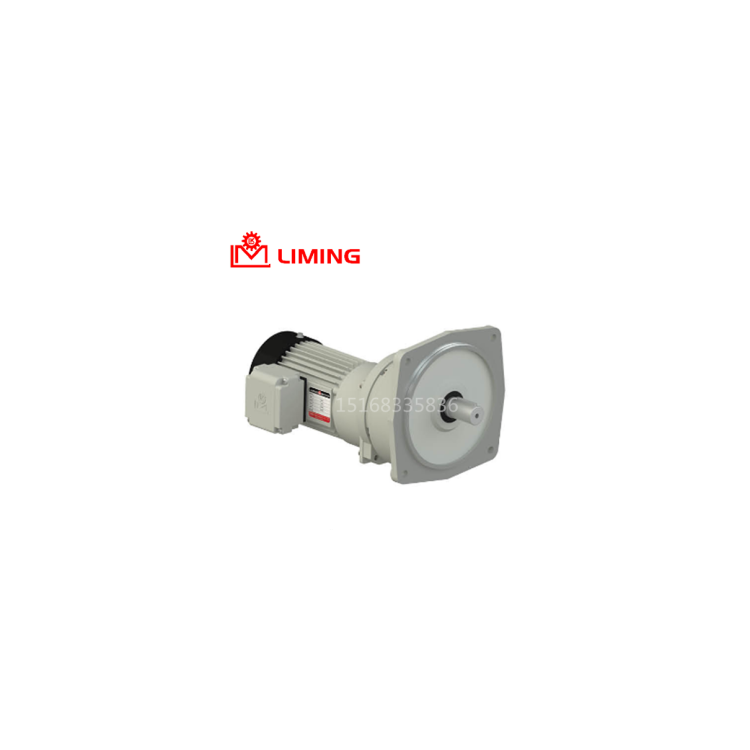
Power range: 0.1KW-3.7KW, available in horizontal, vertical, dual-axis, and orthogonal types. Customized reducers are also available upon customer request.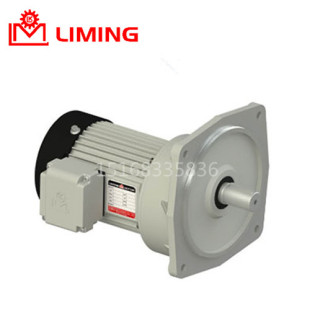
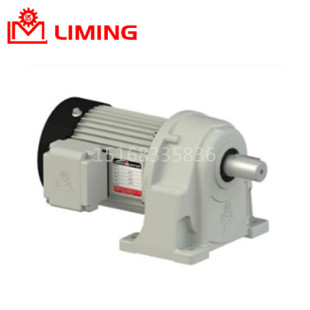
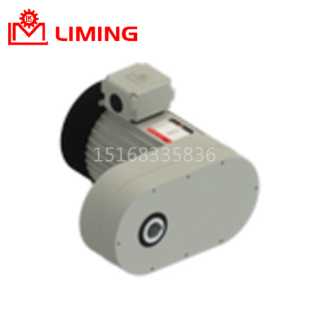
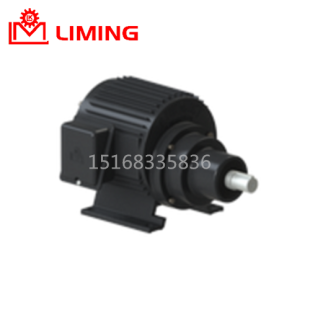
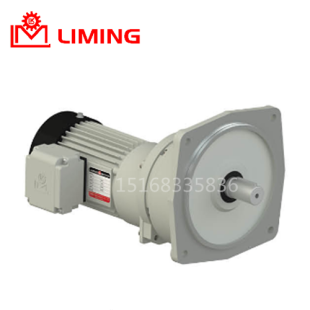
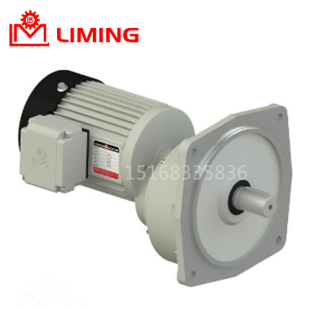
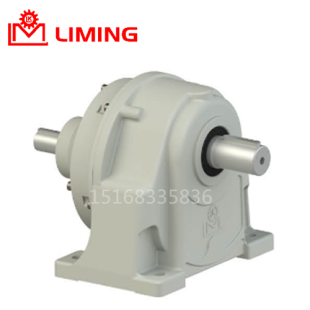
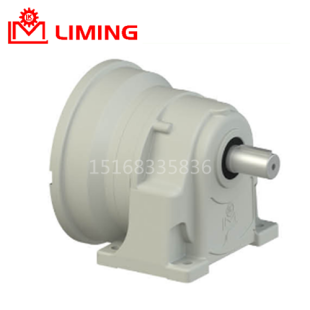
Coaxial
The coaxial miniature bevel gear reducer motor features a compact structure, small size, attractive appearance, and strong overload capacity. It offers precise gear ratio gradation with a wide selection range, low energy consumption, and superior performance.
The reducer boasts a high efficiency of up to 96%, with minimal vibration and low noise. The compact gear reducer motor is highly versatile, easy to use and maintain, featuring low maintenance costs, and comes with the new generation of reducer motor products.
New sealing device with excellent protective performance and strong adaptability to the environment, capable of continuous operation in some harsh conditions such as corrosion and humidity.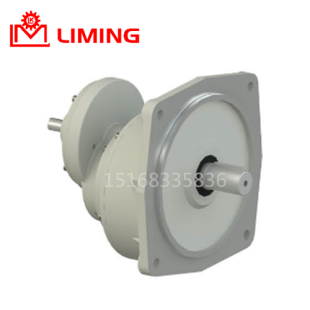
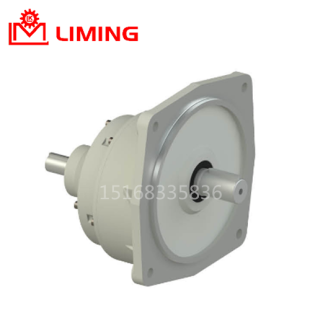
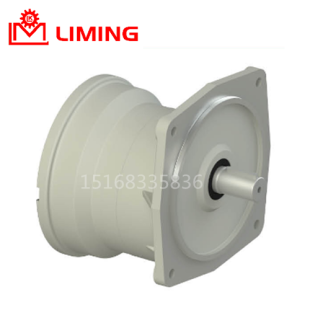
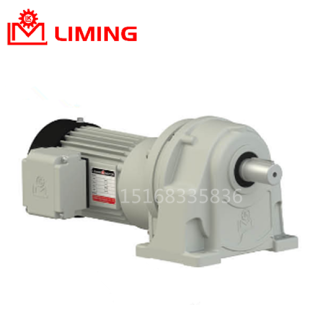
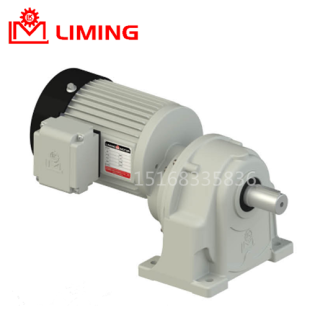

Two-stage cylindrical
The two-stage cylindrical gear reducer motors feature high-speed and low-speed分流. The high-speed gear reducer performs better during分流, with the gears on the low-speed shaft symmetrically arranged relative to the bearings.
The tooth loading distribution is even. The radial dimensions of the coaxial installation of the gear reduction motor are compact, but the axial dimensions are larger. Additionally, due to the longer intermediate shaft, the shaft bends significantly when under load.
The load concentration along the width of the teeth is more severe.