
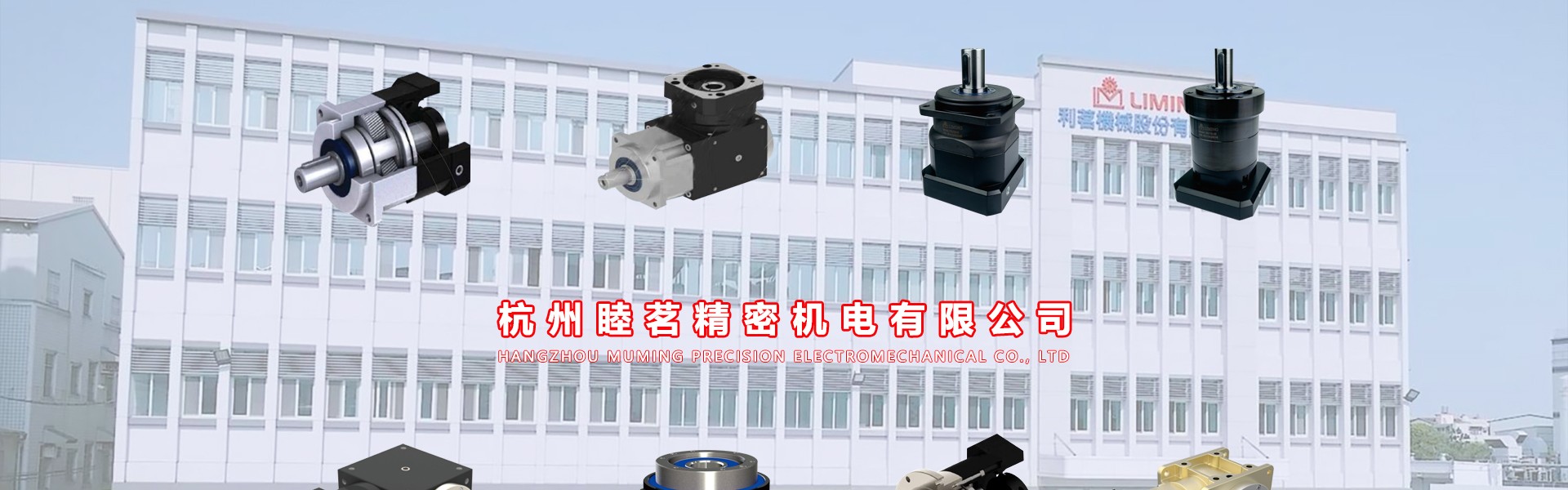
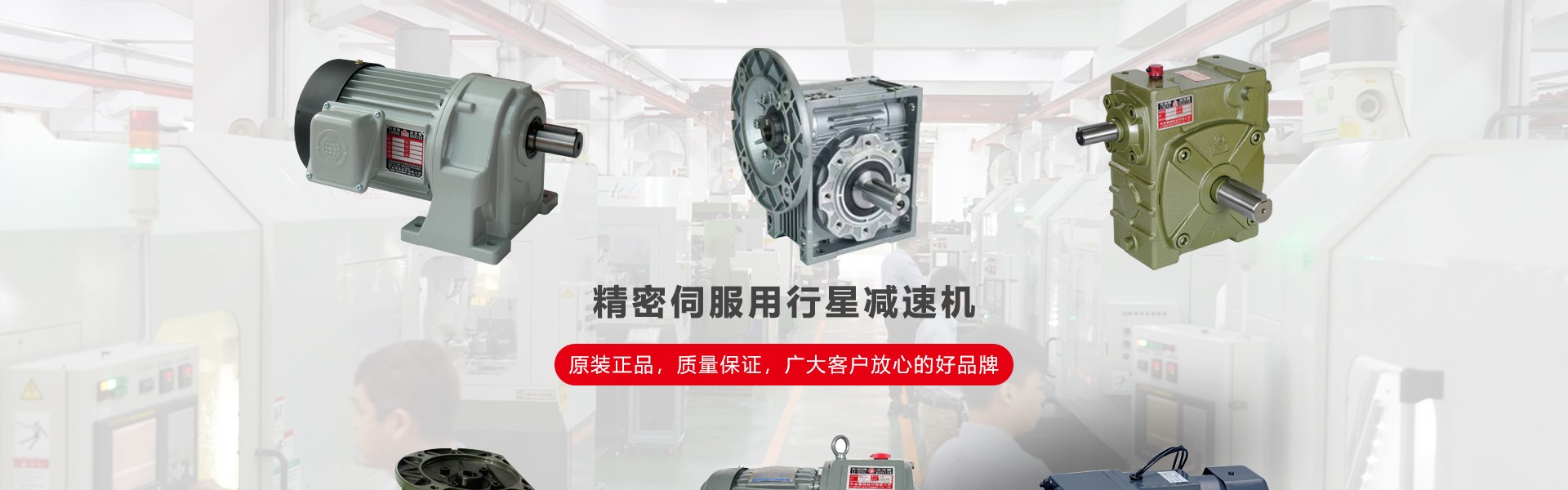
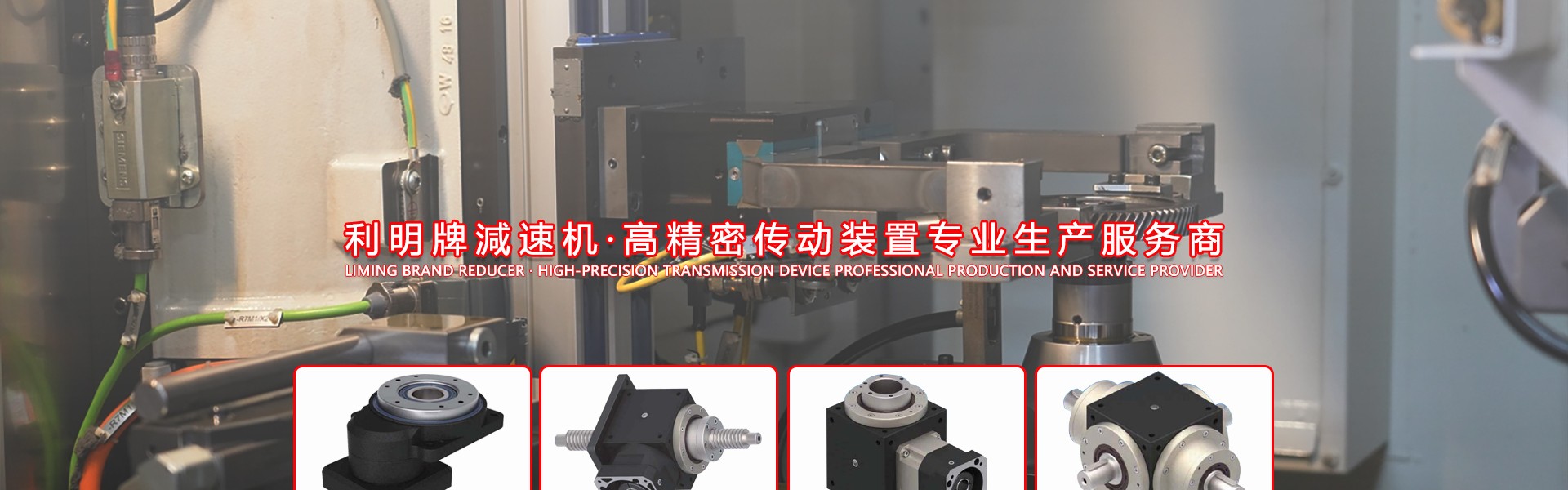

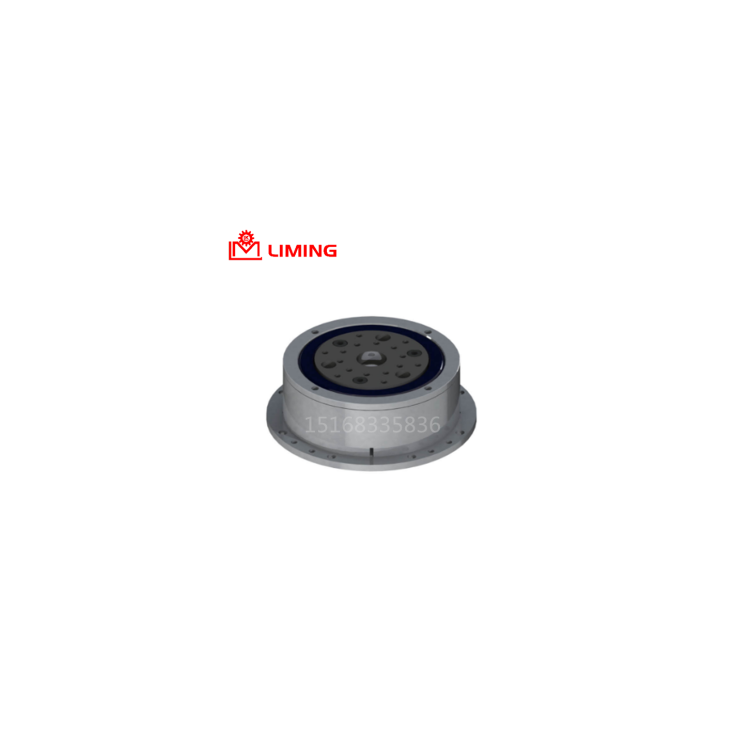

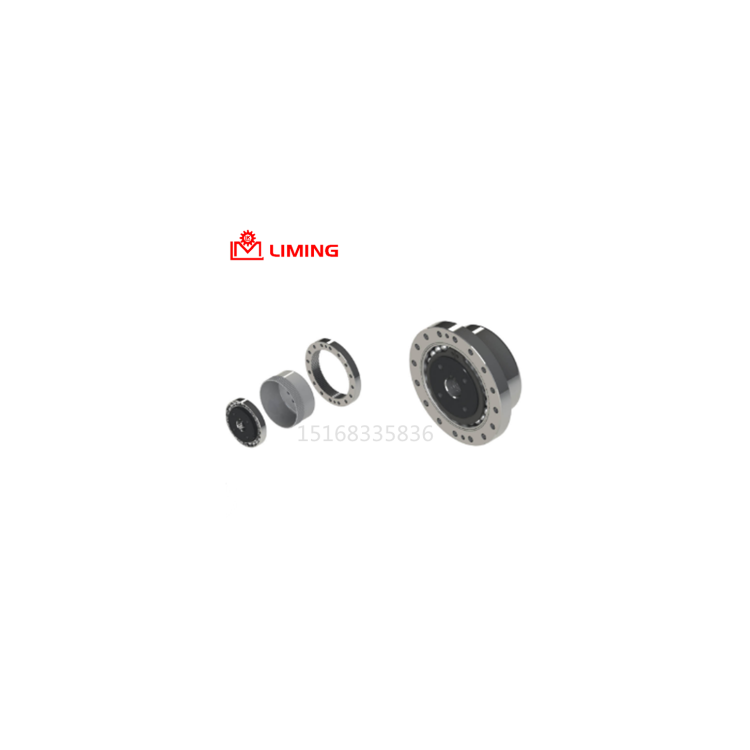
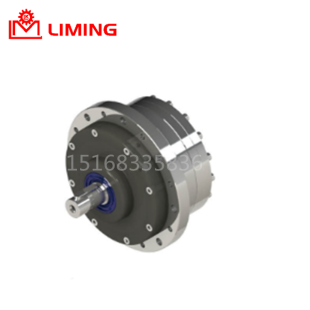
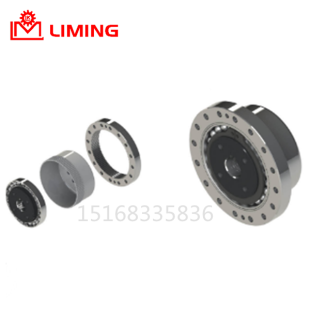
Harmonic drives are a type of reduction gear commonly used in mechanical transmissions, offering advantages such as high efficiency, precision, low noise, compact size, and lightweight. Their unique structure is designed based on the harmonic phenomenon, and it operates due to its distinctive design and working principle.
Harmonic Drive Features:
High transmission accuracy
Harmonic drives use harmonic drive technology, offering high transmission accuracy. This high precision is achieved through the accuracy of the harmonic gears and flexible gears, as well as the precision of other transmission components.
While accepting transmission, the harmonic drive can ensure the precision of the transmission movement to meet the high-precision and high-demand transmission requirements.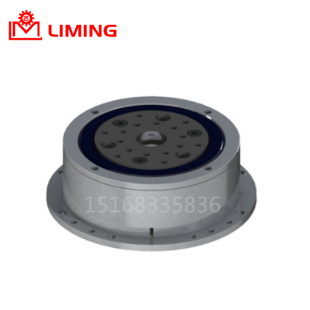
High Transmission Efficiency
High transmission efficiency of harmonic drives is achieved through multi-tooth synchronous transmission, with an efficiency of over 96%, significantly higher than other transmission devices. When transferring power, harmonic drives do not have...
A directional loss in rotation, thus exhibiting high transmission efficiency, which is one of the key reasons for the widespread application of harmonic drives.
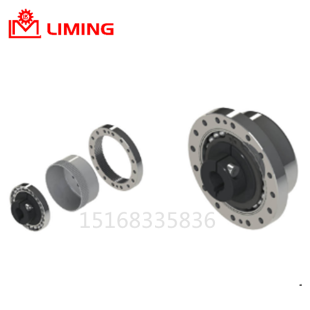
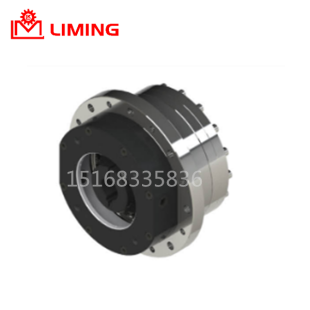
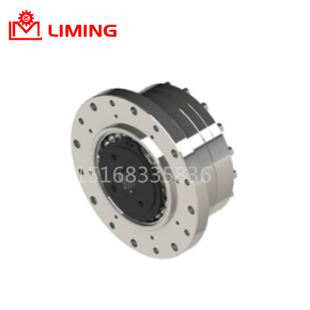
Section 3: Low Return Gap
Backlash refers to the gap that occurs vertically between gears or other transmission components within the physical structure of a reducer. If this gap is too large, it may affect the transmission accuracy and lead to instability.
And noise issues. The harmonic drive's structural design features a multi-geared transmission structure, reducing the backlash between transmission components, enhancing precision and stability, and lowering noise levels.
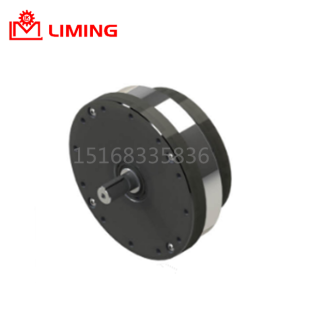
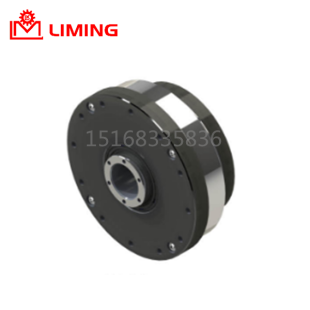
Four: Compact size, lightweight
Harmonic drives primarily utilize flexible gear transmission, which, compared to other reduction devices, boasts a smaller size and weight. The characteristic of flexible gears is that they can adaptively adjust to changes in load.
The deformation makes the harmonic drive advantageous in both appearance and weight. Consequently, it is widely used in many applications.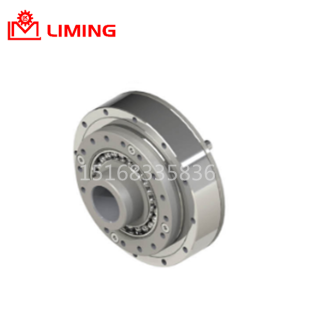
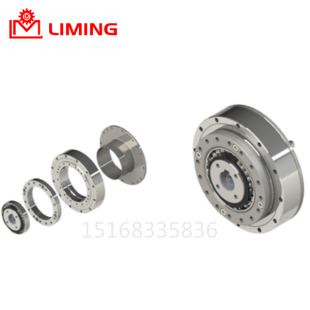
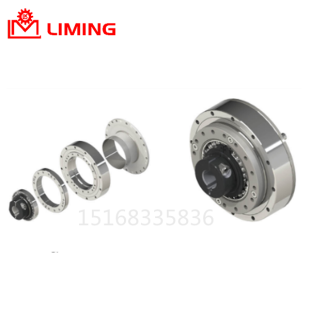
Five: Low noise
Harmonic drives feature high precision and minimal backlash, resulting in extremely low operating noise. Thanks to their various types of bearings, gears, reducers, pneumatic components, and other elements, all of which can achieve high precision and low...
Vibration and low-noise transmission, resulting in a very fresh and transparent working condition in terms of deceleration, precision, and noise, making industrial production more stable and reliable.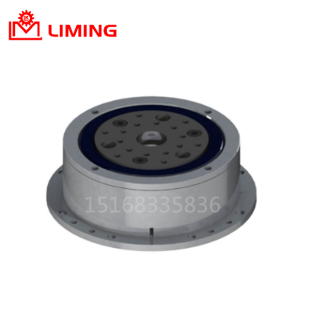
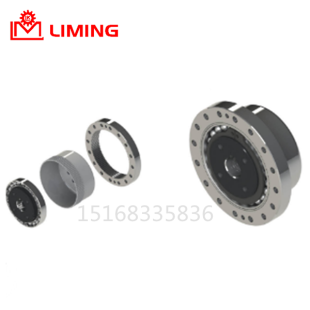
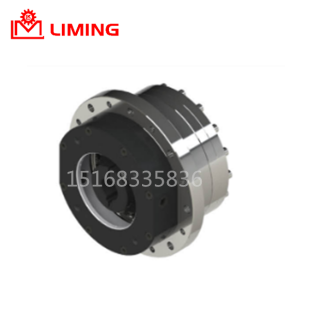
Six: Easy to Maintain
Harmonic drive gears have a simple structure and working principle, making their maintenance quite easy. Generally, this involves timely cleaning the gear surfaces of dust and dirt, inspecting the degree of wear on all components, and replenishing the lubricating oil.
Condition, the harmonic drive can maintain its optimal operating state.
In summary, the harmonic drive is a new type of reducer featuring high transmission accuracy, high efficiency, minimal backlash, lightweight, low noise, and ease of maintenance.
