
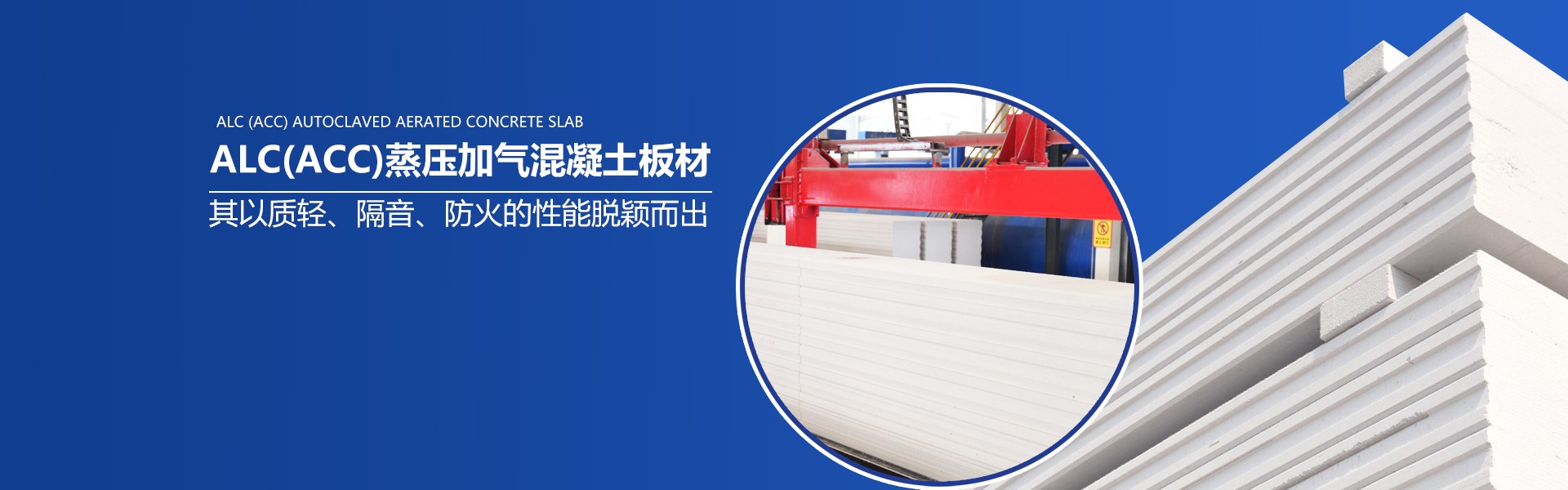
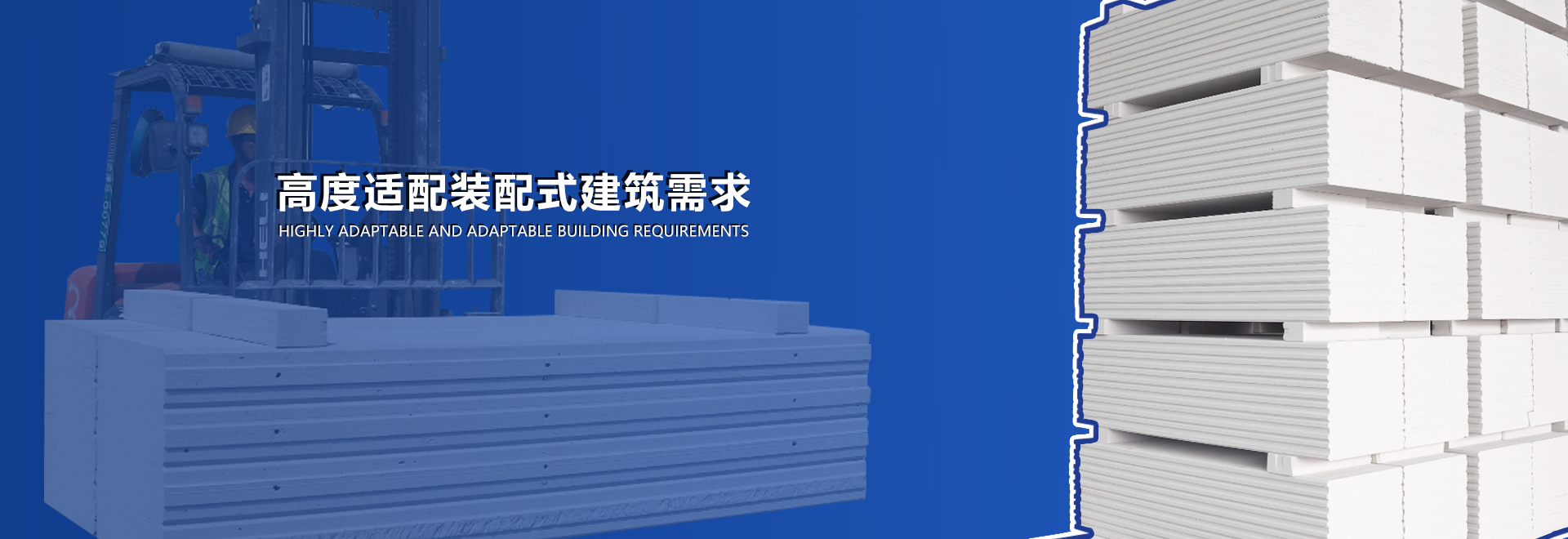
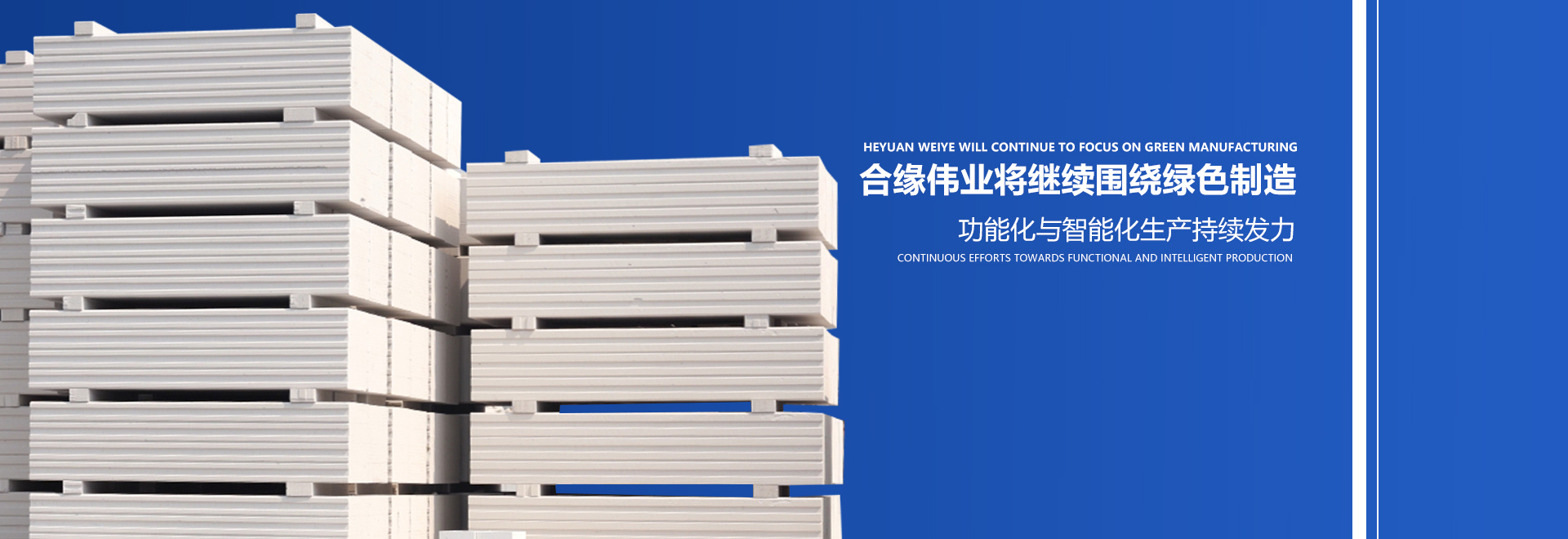

In terms of installing block panels, ALC boards can be custom-cut according to blueprints and actual on-site dimensions, directly providing finished products for on-site assembly and splicing, thereby significantly increasing construction speed. In contrast, aerated concrete blocks, with fixed dimensions, cannot be custom-cut and require the preparation of materials like masonry mortar, resulting in a notably slower construction pace.
In terms of auxiliary structures, ALC panels eliminate the need for columns, lintels, or reinforcement strips, thereby further shortening the construction period. In contrast, aerated blocks require additional structural elements such as columns and lintels, which somewhat hinders the construction speed.
In addition, when it comes to decorative plastering, ALC boards can be directly applied with a thin layer of mortar or putty, eliminating the need for wire mesh for double-sided plastering, thereby significantly enhancing construction efficiency. In contrast, aerated blocks require a complex wet construction process, involving several steps such as mixing, hoisting, and masonry, which is time-consuming and labor-intensive.
In summary, the construction of wall work using ALC boards can be completed with a single process and type of worker, whereas the use of aerated blocks requires the overlapping of multiple processes and worker types, which not only extends the construction timeline but also increases complexity.
