
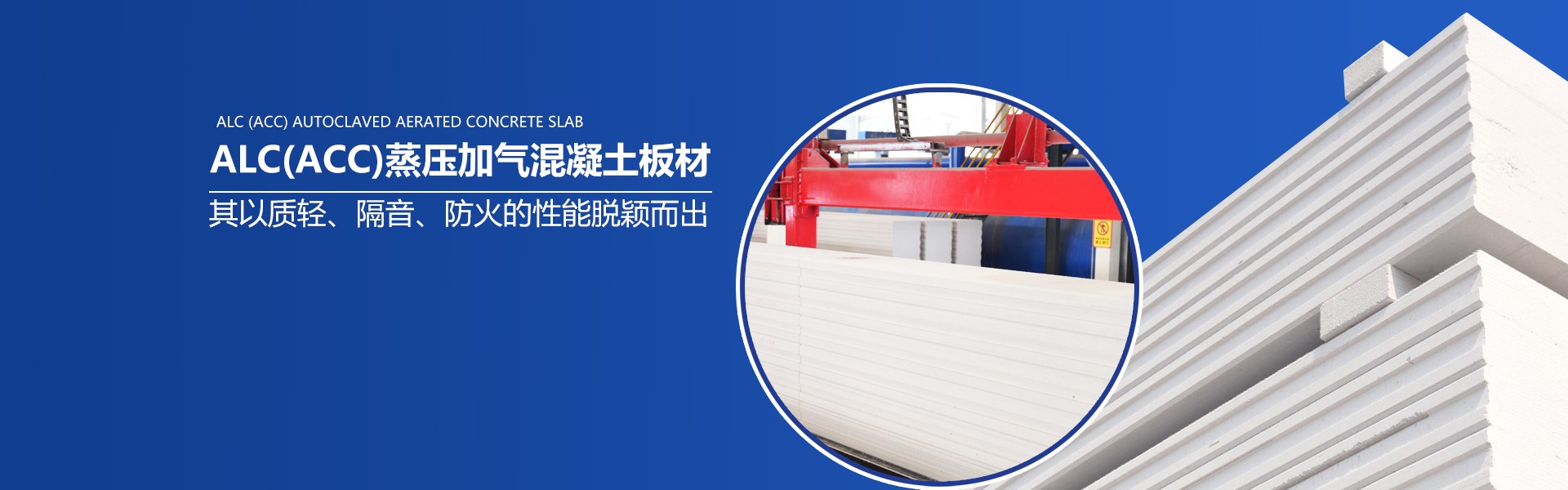
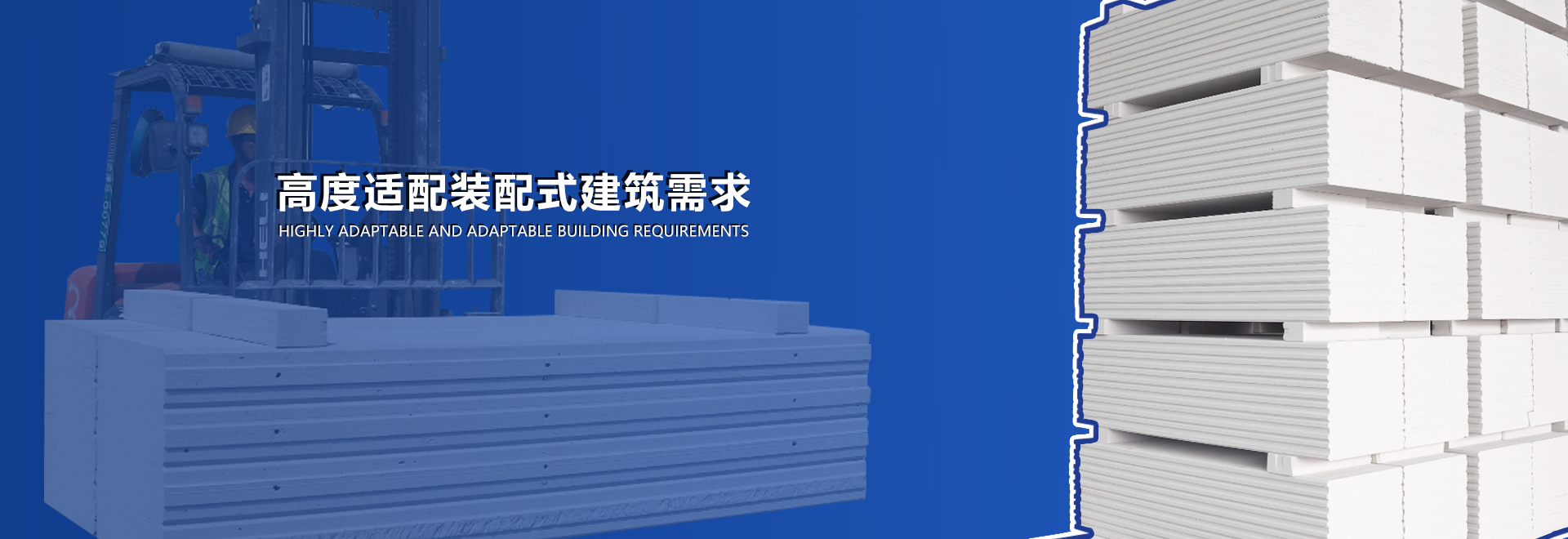
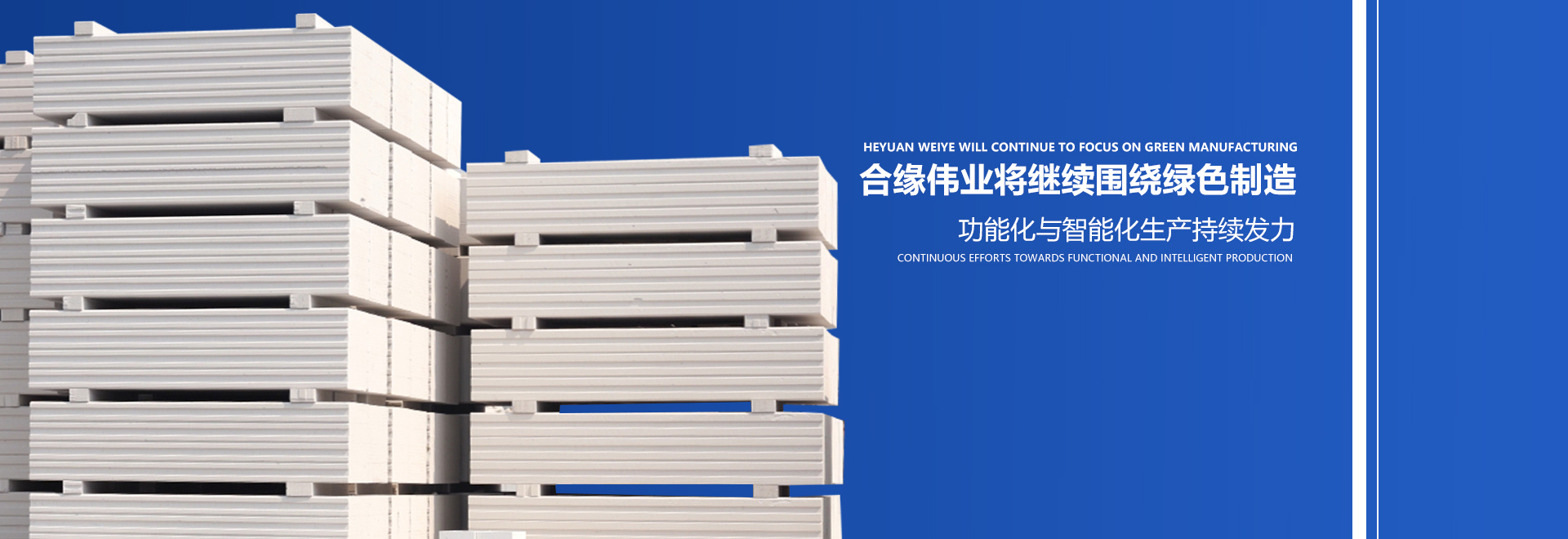

In terms of specifications, the ALC panels are internally equipped with double-sided steel rebars, with a width of 600mm and thickness options of 100, 125, and 150mm, allowing for customized sizing based on actual site dimensions, with lengths up to 6 meters. The aerated blocks, however, come in the standard size of 600mm in length, do not offer custom sizing, and lack internal steel reinforcement.
In terms of sound insulation, the 100mm thick ALC panel achieves a sound insulation index of up to 40.8dB. Thanks to its large panel design, each panel can reach an area of 3.6 square meters, and the joint surfaces feature grooves for a uniform distribution of performance, thereby delivering superior overall soundproofing effects.
Additionally, the ALC board boasts excellent fire-resistant properties. The boards with a thickness of 100mm have a fire-resistant duration exceeding 3.62 hours. Thanks to the support of the internal double-sided steel reinforcement, the board is less prone to overall collapse during a fire, thus offering significant advantages. In contrast, the aerated concrete block walls, lacking an integrated framework support, may peel off layer by layer during a fire, leading to collapse within a short span of time.
In terms of structure, when ALC panels are used as wall panels, they do not require structural columns, reinforcement strips, or ring beams, nor do doors and windows need lintels. They can be used independently without any auxiliary or reinforcing structural elements. In contrast, when aerated blocks are used as walls, they must be reinforced according to building codes with concrete ring beams, structural columns, tie rods, and lintels to enhance their stability and seismic resistance.
