
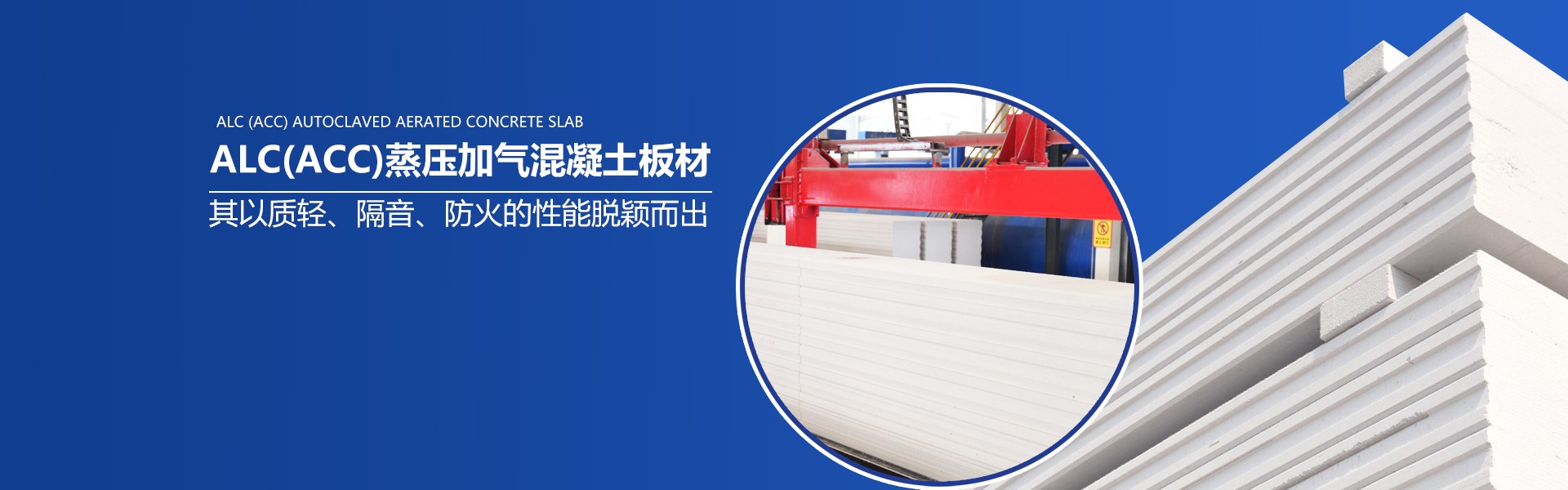

ALC (Autoclaved Lightweight Concrete) panels, as a new type of green building material, are increasingly becoming the preferred choice in the modern construction industry. Their lightweight yet high-strength nature, fire-resistant and insulating properties, and ease of construction not only meet the demands of industrialized construction but also demonstrate significant advantages in energy conservation and environmental protection.
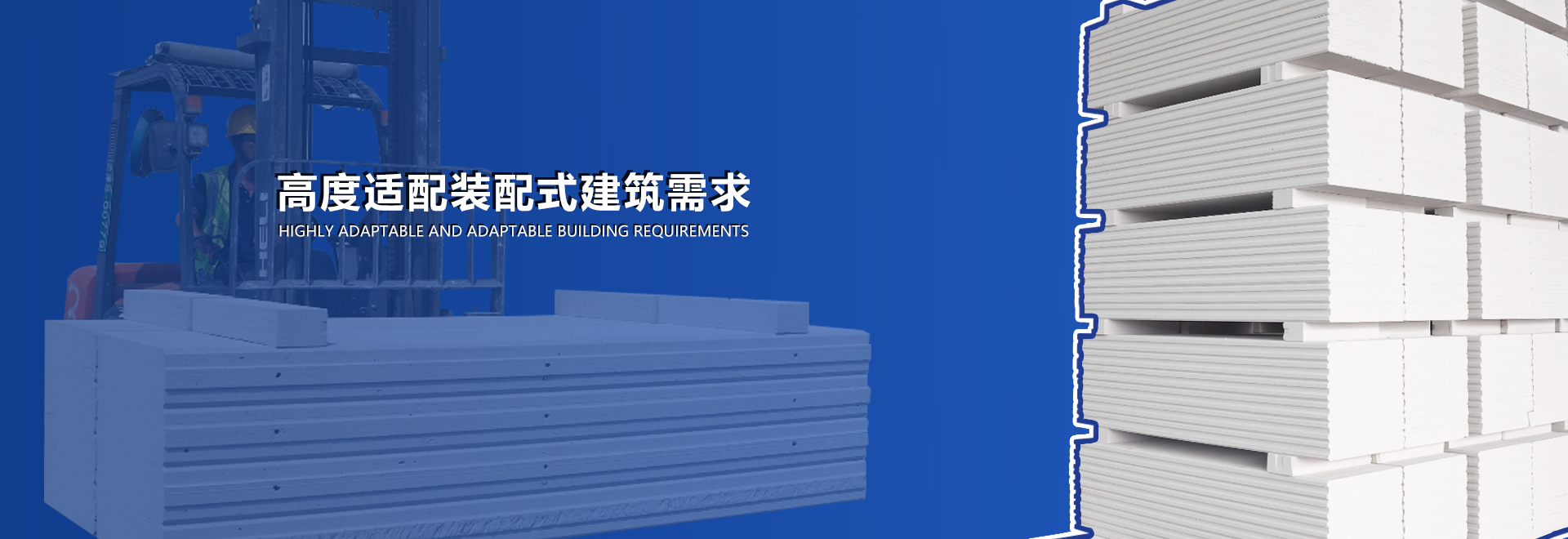
As prefabricated buildings rapidly develop, the application of ALC panels is continuously expanding. In high-rise buildings, their self-weight is only one-third of traditional brick walls, significantly reducing structural loads; in large-span spaces like factories and schools, ALC wall panels can be flexibly divided, enhancing space utilization. What's more, their excellent fire resistance (up to 4 hours or more) provides a reliable guarantee for the safety protection of public buildings.
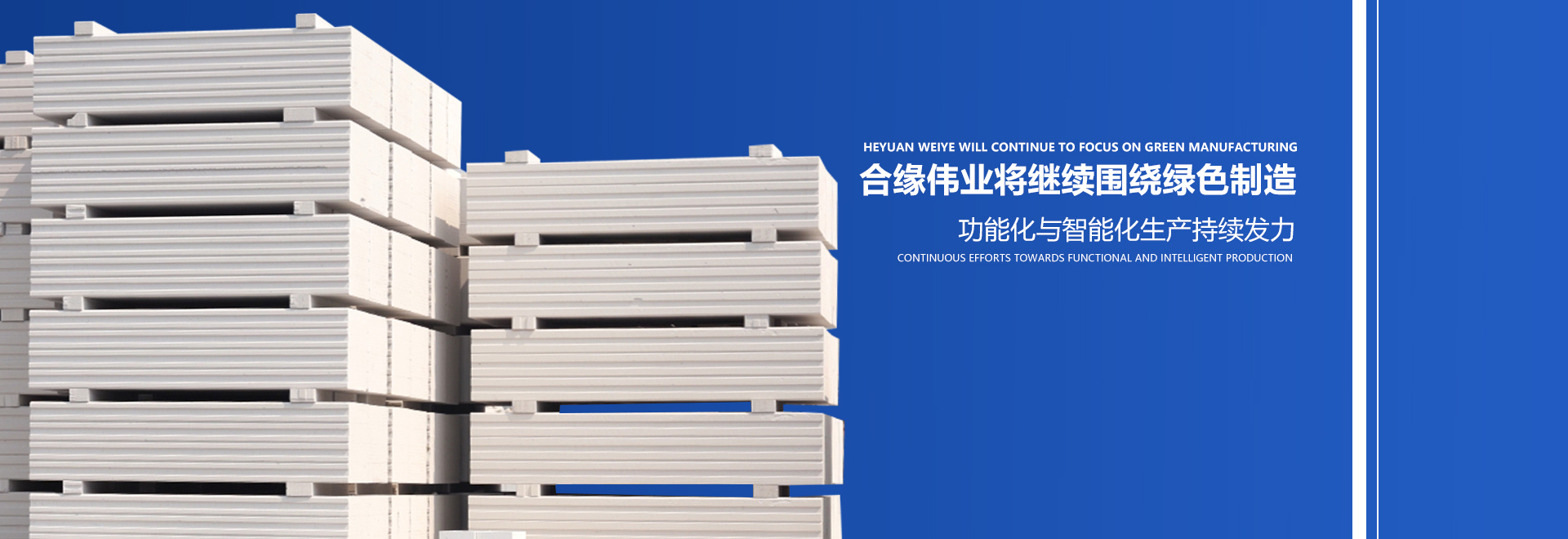
The potential of ALC panels is set to be further unleashed in the future. Through composite modification technology, the R&D team is dedicated to enhancing their seismic resistance and soundproofing properties to cater to earthquake-prone areas and residential needs. Simultaneously, the widespread adoption of intelligent production lines will drive down the cost of ALC, accelerating its penetration into rural construction and temporary structures.
From an environmental perspective, over 60% of ALC's raw materials consist of industrial waste, and its lifecycle carbon emissions are 40% lower than traditional building materials, aligning with the "double carbon" goal. It is predictable that as green building policies deepen, ALC panels will gradually transition from "alternative option" to "mainstream choice," reshaping the material landscape of the construction industry.
