


Safety conductors should be inspected regularly during normal operation, as electrical equipment is a major production tool in every industrial and mining enterprise, and any error can directly affect the factory's production efficiency. When inspecting the conductors, check for loose or disconnected joints every 6 meters. When examining the conductors, ensure that the moving parts are rolling smoothly, the tension spring is not fatigued, and the brush wear is within acceptable limits (these conditions can affect the conductivity of the conductors and the monitoring function of the conductors. Adjustments should be made promptly).
For severe corrosive gas environments, inspect the rusting conditions of supports, suspension clamps, and traction devices, and take timely measures to apply anti-rust materials. In the application of sliding busbars, such as during infrastructure construction, do not impact or compress the transmission conduits, and absolutely do not place heavy objects on them. Prevent deformation and cracking of the transmission conduits, which may affect operation and lead to safety accidents. Upon completion of infrastructure construction, immediately remove construction waste from the transmission conduits. During normal maintenance, staff are not allowed to place their feet on the transmission conduits or their supports to avoid disrupting the evenness of the entire line and causing accidents.
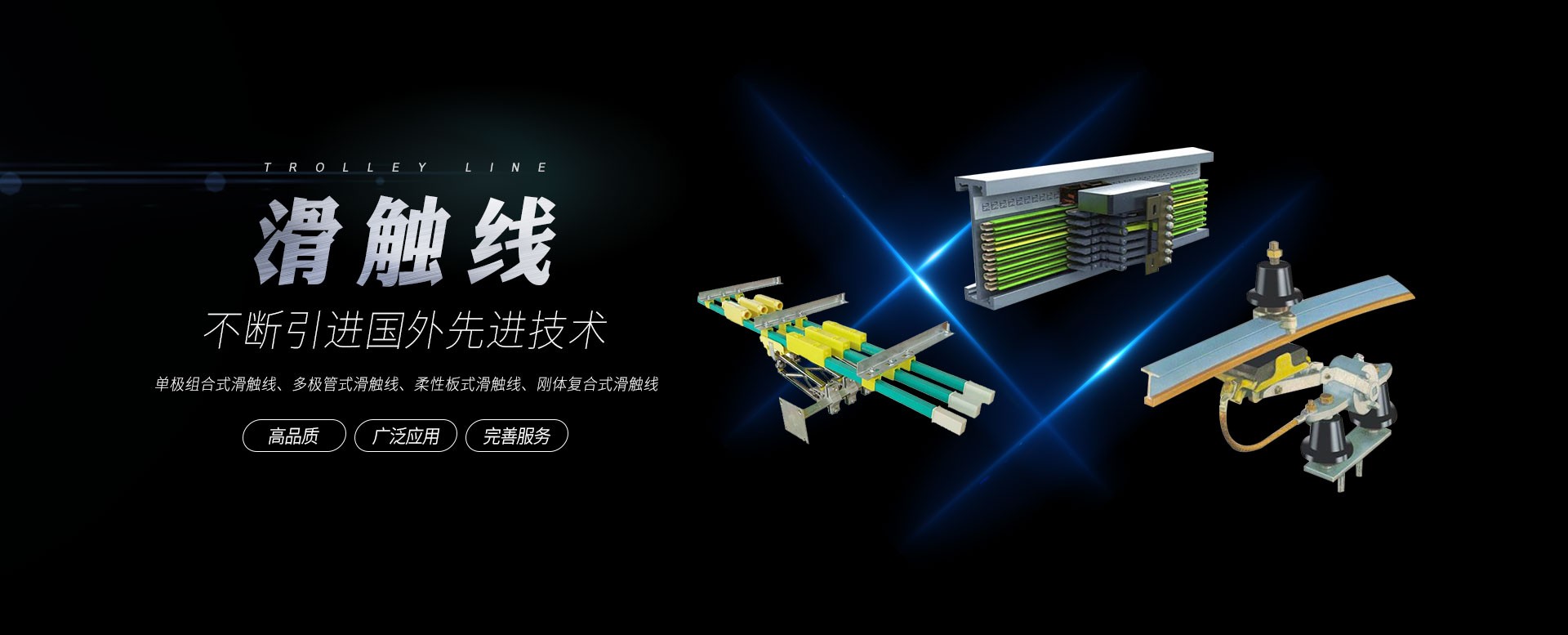
The Full Conductive Rail features energy-saving, corrosion-resistant, and easy-maintenance characteristics, and has now been applied worldwide. It is an electrical equipment system used for mobile power supply. The Safe Conductive Rail, also known as the sliding contact device, is officially termed the Safe Sliding Contact Transmission Equipment. The Safe Conductive Rail has various and reasonable structural forms, and its principle is as follows: due to the movement of the mobile equipment, the safe sliding contact rail needs to constantly change its orientation. At each different orientation, the mobile equipment must be able to obtain power at any time to sustain movement; otherwise, it cannot continue moving. This is where the sliding rail comes into play. Parallel to the operating track of the mobile equipment, several conductors are laid out and powered up.
On mobile devices, collectors have been installed to draw power from conductors. As such, when the devices move, the collectors operate synchronously with them and continuously obtain power from the conductor conduit to supply the devices, enabling their continuous movement. These devices, consisting of conductors and collectors, are known as safety busbars.
