


Pre-fabricated concrete septic tanks eliminate the need for concrete pouring, significantly reducing construction time. In the past, building a septic tank required extensive construction work, such as bricklaying, irrigation, mixing, pouring, and various cumbersome procedures. Typically, it took about a month to build a septic tank at a faster pace. Done. However, the current advanced pre-fabricated septic tanks are pre-fabricated according to pre-set specifications before construction. A cover can be added externally to fit the septic tank into the plan. This is very cost-effective in terms of both labor and finances. The work can be completed in just two to three days within a month. The construction operations are simple and do not require a large workforce.
Additionally, prefabricated cement septic tanks occupy a small area, approximately one-third the size of traditional septic tanks. From this perspective, they can save a significant amount of land resources, and due to their compact size, they are also a better choice for site selection. They offer high flexibility. Their deployment is also faster than that of traditional septic tanks, as they can be ready for use within about three hours after installation.
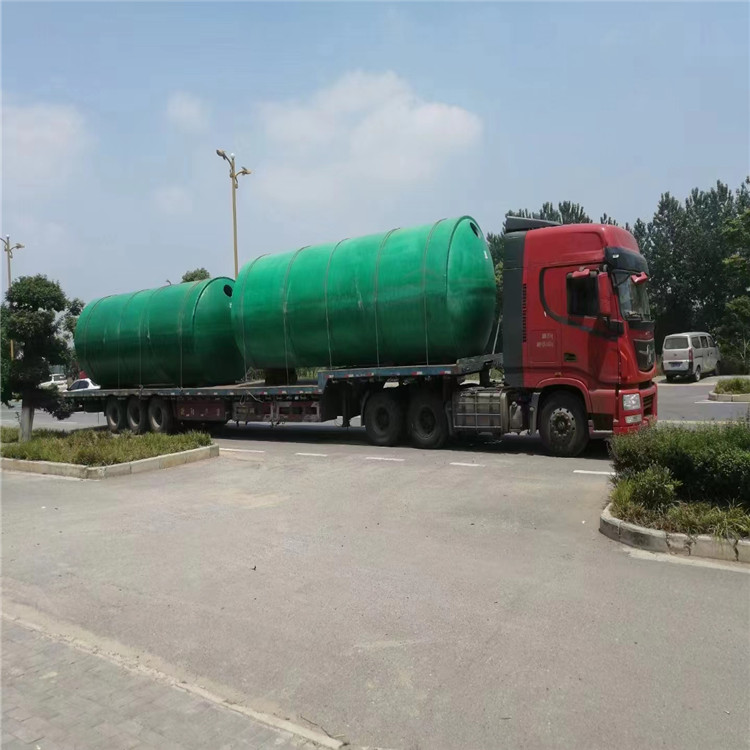
Prefabricated concrete septic tanks are essential facilities for protecting the living environment's sanitation, effectively preventing the spread of domestic wastewater and pollutants in the living environment, thereby affecting public health. The anaerobic digestion environment of concrete septic tanks can effectively kill mosquitoes, flies, and their eggs, and can effectively prevent the spread of diseases.
It's well-known that precast concrete septic tanks can temporarily store sludge, and anaerobic decomposition of organic sludge can mature it for use as agricultural fertilizer. This is crucial for three-chamber septic tanks. The pretreatment of wastewater, after sedimentation of impurities, ensures the hydrolysis of high-molecular organic matter, which is then converted into smaller molecular organic compounds like acids or alcohols, thereby enhancing the effectiveness of subsequent wastewater treatment.
