
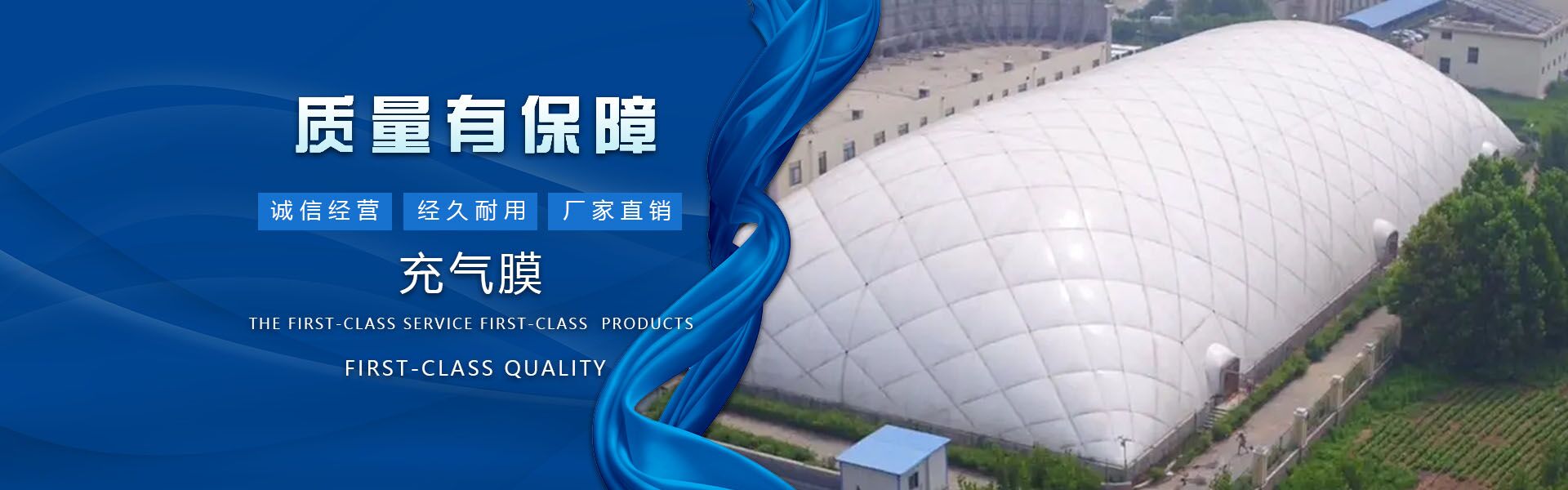

With the development of modern construction, green building solutions like air-supported structures, which are beneath the dome of innovation, are gradually gaining attention. Their application fields are expanding widely, meeting the environmental needs of various industries. But why are they considered eco-friendly buildings?
Because air film buildings require no water resources during operation, they can save at least several tens of thousands of tons of water annually. This not only reduces water consumption but also responds to the strategic goal of promoting "low-carbon and environmental protection." With minimal on-site work, no noise, and no pollution to the surrounding environment, air film buildings alleviate the burden on the environment (both overall and surrounding) and maximize energy and resource savings technologically. They provide a safe and healthy space, and throughout the entire lifecycle of the building, they maximize resource and energy savings, protect the environment, and reduce pollution, achieving harmony with nature and a harmonious coexistence between people, buildings, and the environment.
With China's socio-economic development and the continuous advancement of science and technology, the production of pneumatic membrane buildings has seen rapid progress. These buildings meet the criteria for green construction, being environmentally friendly and energy-saving, aligning with the times and market needs. They have emerged as the new trend in green and eco-friendly architecture.
