
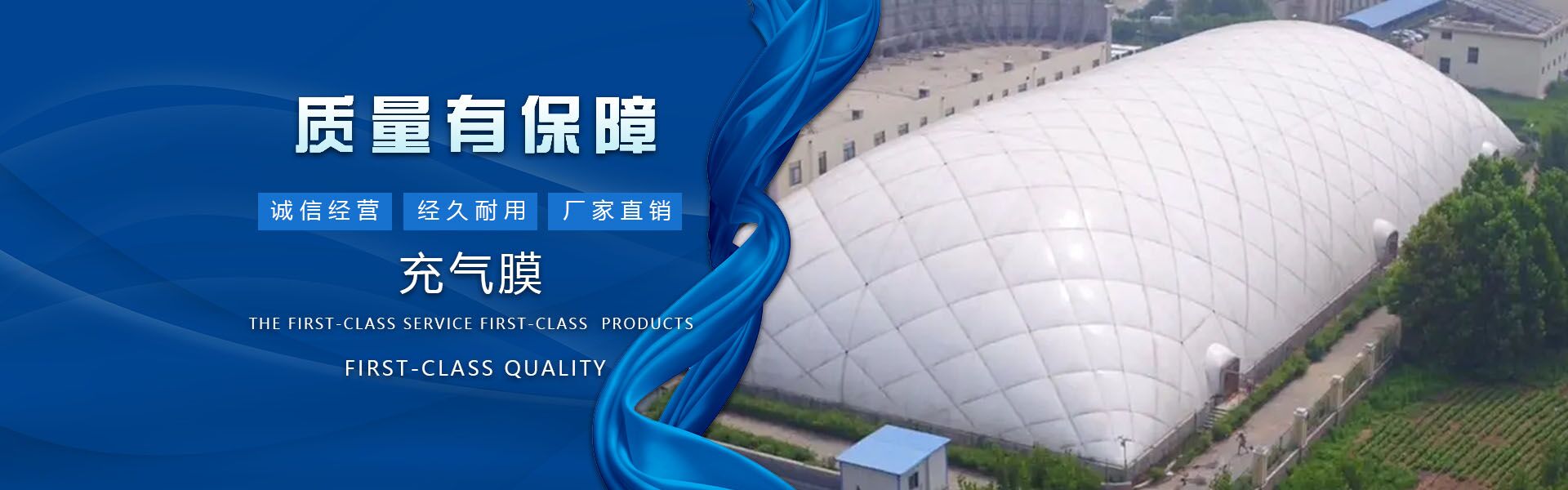

The structural principle of air film architecture is actually very simple: it forms a new type of building through the pressure difference between the inside and outside of the air film.
The structure itself is very simple, but to achieve safety, energy efficiency, intelligence, cleanliness, and convenience requires a certain amount of exploration and experience.
Currently, utilizing advanced technology, we have significantly enhanced the durability of the air film, extending its service life while adhering to North American traditional building codes.
Additionally, compared to traditional sports venues, the air-supported sports facilities have a self-weight of approximately 3 kilograms per square meter. The building membranes that make up the entire structure offer the advantages of being removable and reusable.
Additionally, there are numerous advantages: such as low cost, only one-third of the traditional sports facility; a short construction period, with the installation of the air film main structure taking just 10 days; and energy-saving and environmentally friendly, as the film material is an excellent thermal insulator.
With the adoption of three-layer transparent films, the air-supported gymnasium not only enhances the heat-insulating coefficient but also ensures natural light penetration. The facility can insulate and transmit light, eliminating the need for artificial lighting under normal daylight conditions, significantly reducing energy costs related to lighting, heating, and air conditioning.
Based on energy consumption tracking statistics of regional air-supported structures, the air-supported gymnasiums consume only 1/4 to 1/10 of the air conditioning and heating energy compared to traditional gyms, and they also require no maintenance, significantly reducing the maintenance costs of the gymnasiums.
