
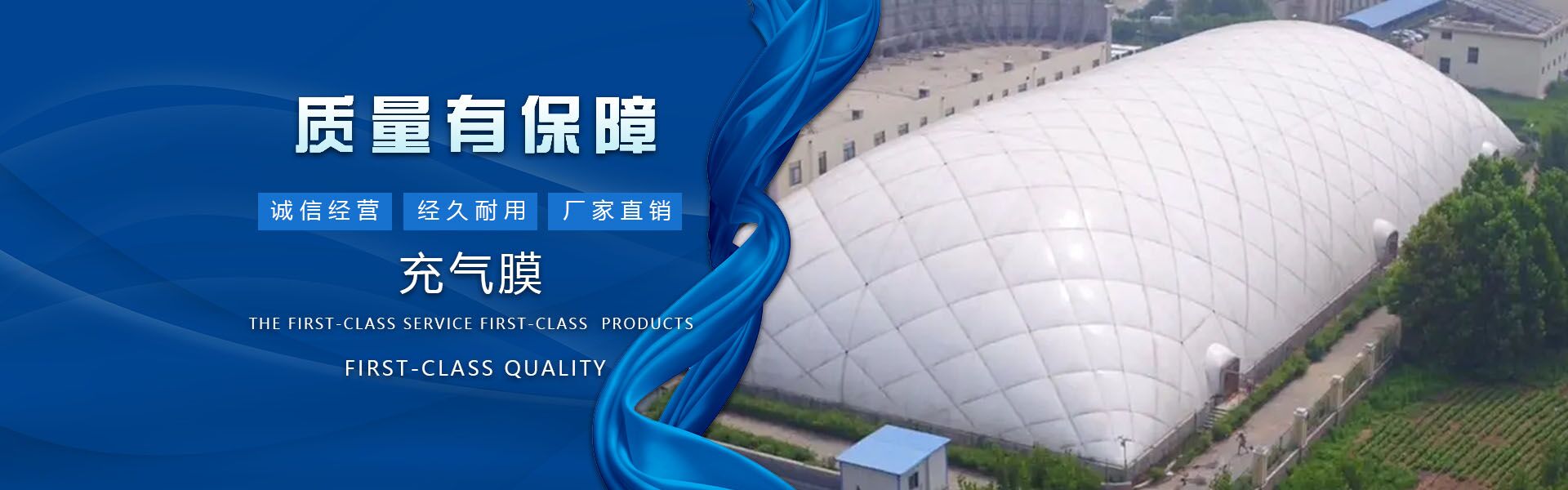

As the advantages of the inflatable membrane structure become increasingly recognized, air-supported buildings have seen rapid growth in the sports industry sector, with a variety of air-supported sports venues emerging, such as air-supported gymnasiums, swimming pools, basketball courts, and tennis courts. Have you experienced an air-supported gym? Does the air pressure inside an air-supported gym have any impact on the human body?
Reviewers of the pneumatic membrane gym have varied opinions – some are amazed by its unique design; others commend its equipment; some are satisfied with the comfortable and clean indoor environment; of course, there are also concerns from those who experience slight discomfort upon entering the pneumatic gym due to the change in air pressure, worrying about its impact on human health.
Does the air pressure in the pneumatic membrane pavilion really affect humans? Don't worry, the editor reveals the answer for you!
The core technology of the pneumatic membrane pavilion involves shaping and stabilizing the membrane structure through the pressure difference between the inside and outside of the room. Typically, the pressure difference is maintained at around 200 Pascals, which can be likened to the pressure change between low and high floors. If you climb the stairs slowly up and down, you generally cannot feel the change in pressure. However, if you take a high-speed elevator, you can distinctly feel the pressure differences between different floors.
Adaptation to the time spent in the aerostatic dome is also short-lived, as entering the dome is a瞬间的 occurrence, making the perception of pressure differences more pronounced. However, after just a few minutes, the body adjusts to the pressure within the aerostatic sports hall, and discomfort dissipates accordingly. Therefore, the pressure in the aerostatic dome has no other impact on the human body.
The air film gymnasium is equipped with a comprehensive intelligent system, including not only a pressure control system with fans but also ventilation, heating and cooling systems, and emergency systems. These devices create a comfortable, constant-temperature indoor environment with low energy consumption, effectively blocking direct communication between the air film's inner and outer air, and maintaining air circulation to provide an oxygen-rich environment. Therefore, exercising in such an air film facility is more beneficial to people's health.
