
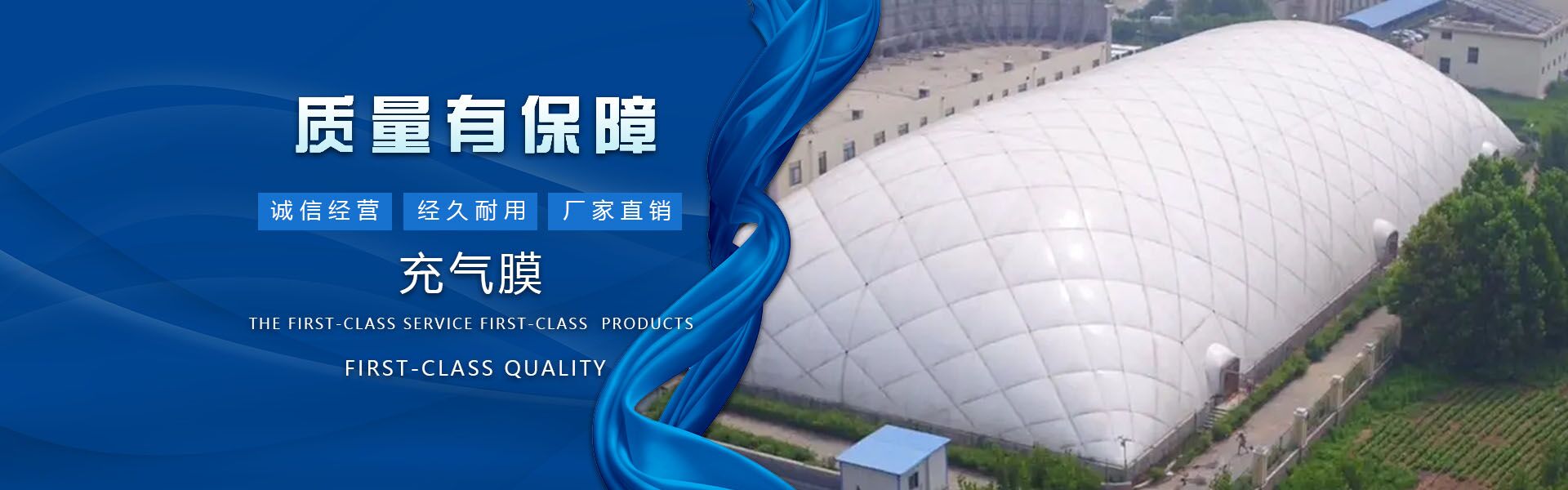

What factors influence the price of air membrane structures? Consider the following aspects:
1. Size: Generally speaking, the larger the area, the lower the unit cost. Additionally, when constructing a similar-sized air-supported structure in the same region, one must consider the actual site conditions, which can range from flat ground to rooftop construction. Due to the increased difficulty in rooftop construction, the pricing is typically higher than for flat ground.
2. Features: Storage facilities typically use a single-layer air membrane structure, without air conditioning systems, which makes the structure relatively simpler and more affordable. However, some venues need to consider insulation and heat preservation, as well as air conditioning equipment and comfortable indoor environments, which naturally leads to higher prices.
3. Membrane Materials: The construction of venues in different regions requires various membrane materials. For instance, coastal areas and regions with strong winds and heavy snowfall in the north. These harsh climatic areas demand higher tensile and tear resistance from the membranes, which are generally more expensive. Membrane materials are categorized into imported and domestically produced, as well as high, medium, and low-end grades. Commonly used membranes include PVDF, TIO2, and PVF, with significant price variations among different types.
In summary, the required air film stadium buildings vary, hence the construction plans and quotes differ accordingly.
