


- AllProduct Category
-
Calcium-based Desulfurizing Agent
Calcium Hydroxide with High Specific Surface Area
Desulfurization & Denitrification
Reheat Boiler
Desulfurization of Smoke
Heat Exchanger
Heat Pipe Products


Recommended Products
详情描述
Product Description:
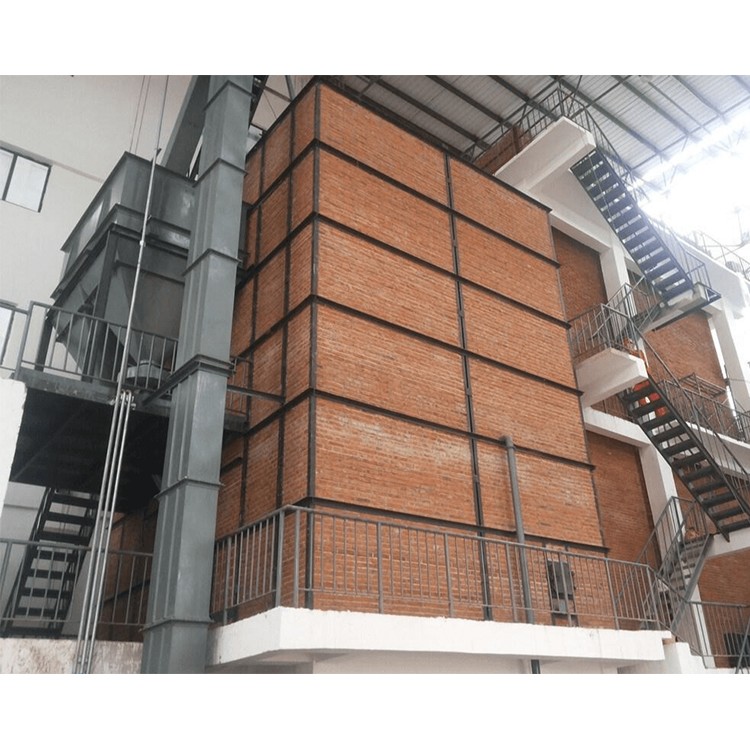
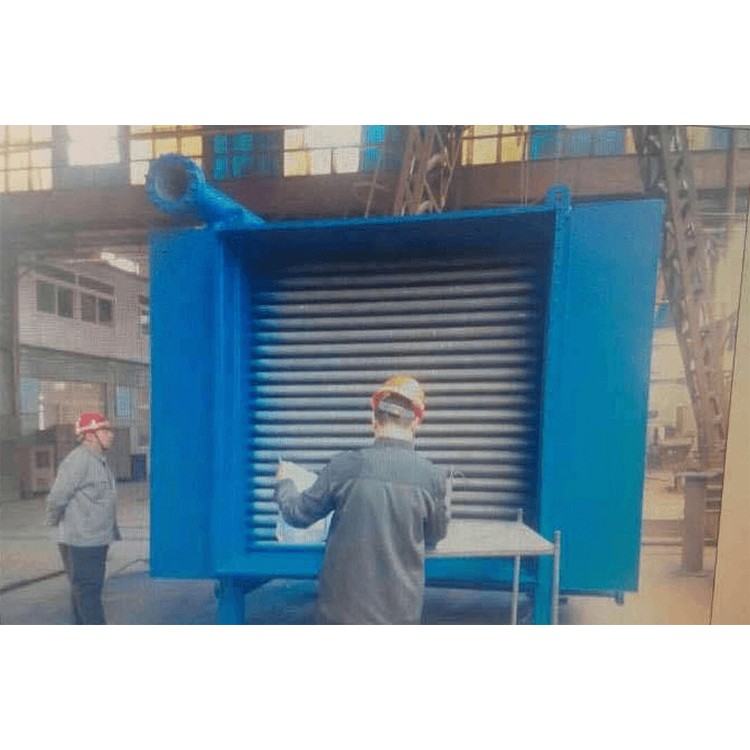
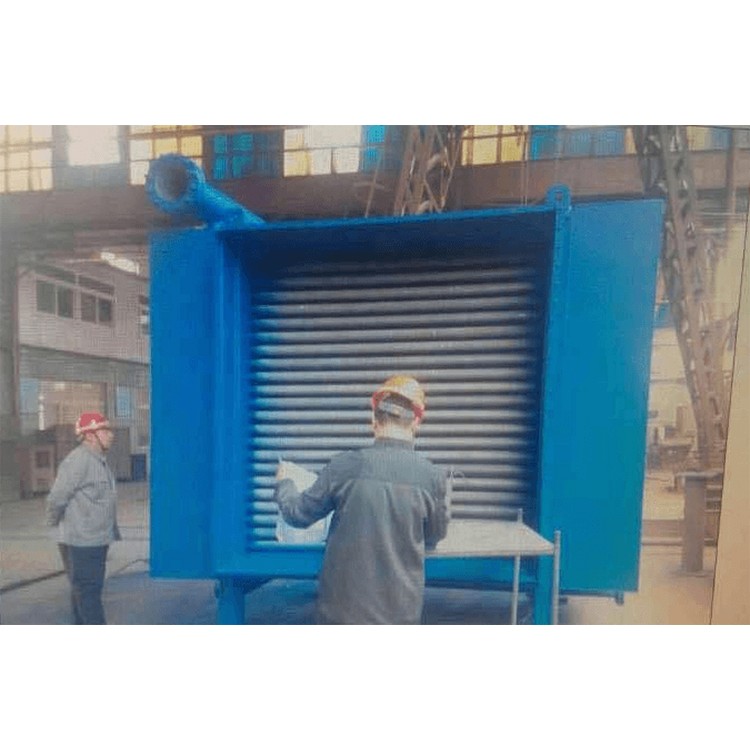
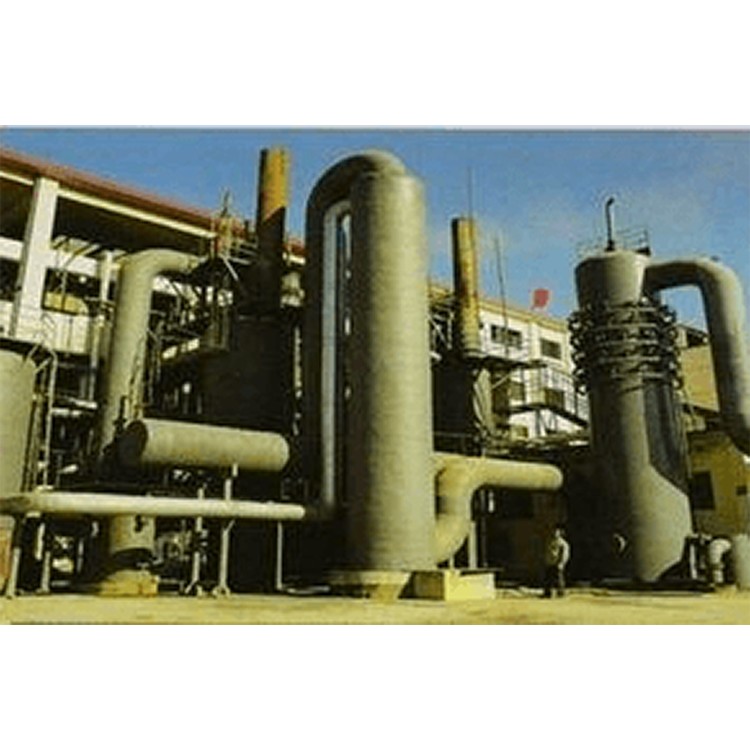
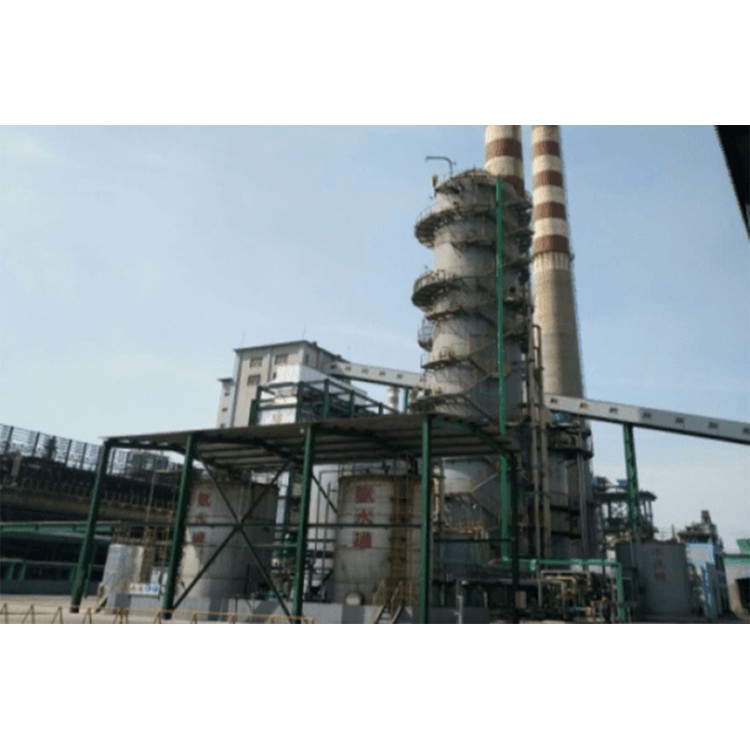
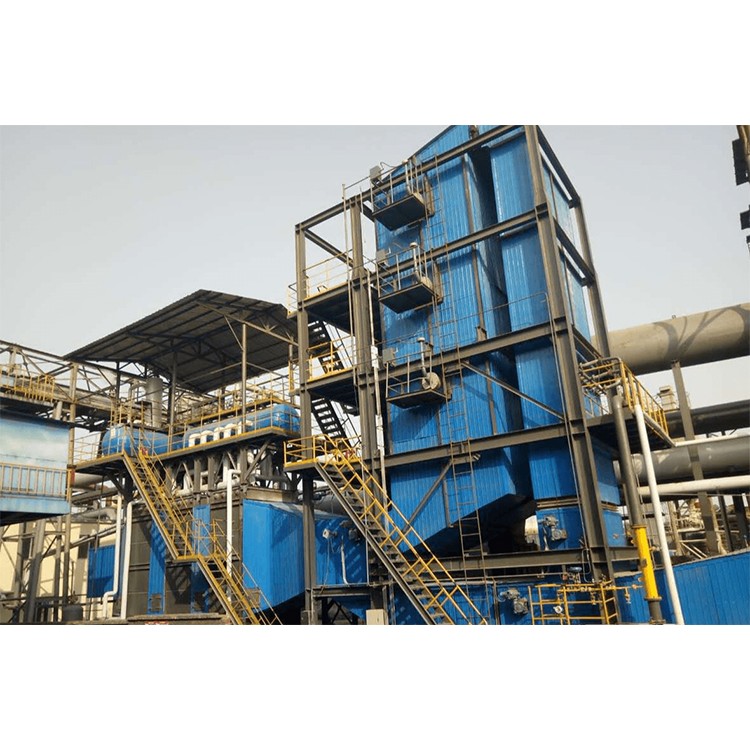
High-temperature hot air furnaces are primarily used in the deep processing of inorganic salts and non-metallic mineral products. They are now widely applied in powder engineering for products such as precipitated silica, calcium carbonate, kaolin, bentonite, and chemical pigments, and can be matched with various dryers. The furnaces primarily use low-calorific coal as the heat source, generating approximately 850°C hot flue gas through combustion, which is then heat-exchanged to produce hot air around 500°C for subsequent drying equipment. Technical features include: stable combustion temperature, adjustable hot air temperature, low resistance in the furnace and heat exchanger, long service life, and suitability for long-term operation.
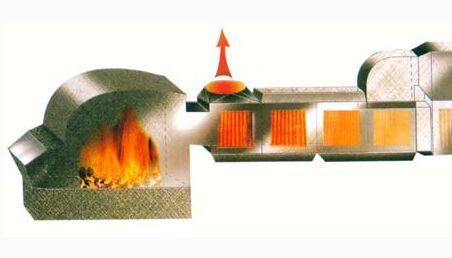
High-temperature gas hot air furnaces are divided into two types according to their working principle: regenerative and heat-exchange.
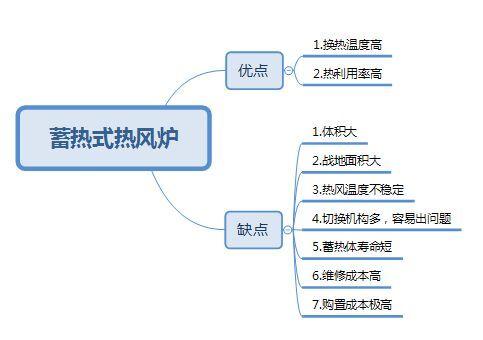
One. Heat Storage Hot Air Furnace
Internally, a grid brick or heat storage ball is used. The grid brick or heat storage ball is heated, then fresh cold air is used for reverse blowing to convert the cold air into hot air. This hot air is then utilized. At this point, the heat storage in the other hot air furnace is heated. When the heat storage temperature in one hot air furnace drops and cannot reach the required temperature, the temperature in the second hot air furnace has reached the desired level. The cold air is then switched to the second hot air furnace, utilizing the heat within. Generally, it requires switching between three identical hot air furnaces to achieve a continuous cycle. Now, most smelting processes use such hot air furnaces.

Advantages of Regenerative Air Heater
High heat exchange temperature
2. High thermal efficiency
Disadvantages of a thermal storage hot air furnace
1. Large volume
2. Large battle area
3. Unstable hot air temperature
4. Many gear changes, prone to issues
5. Short heat storage lifespan
6. High maintenance costs
7. High acquisition cost
Section II: Heat Exchanger Type Hot Air Furnace
Heat exchanger hot air furnace, utilizing a high-temperature-resistant heat exchanger as the core component. This part cannot use a metal heat exchanger; only a high-temperature-resistant ceramic heat exchanger is permissible. The coke oven gas is fully combusted in the combustion chamber, and the hot air after combustion passes through the heat exchanger, transferring heat to the fresh cold air, enabling the fresh air temperature to reach above 1000 degrees. Such hot air furnaces will be widely used in the future.
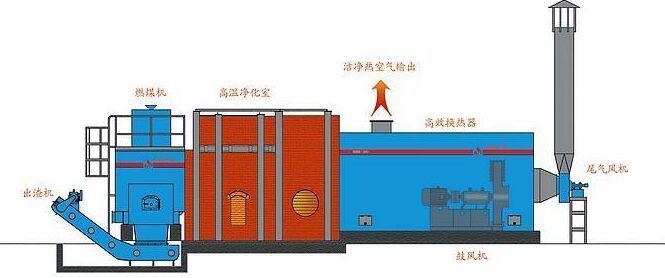
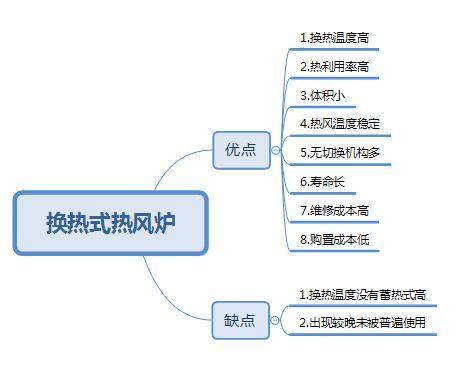
Advantages of Heat Exchanger Hot Air Furnace
High heat exchange temperature
High thermal efficiency
3. Compact size
4. Stable hot air temperature
5. No changeover mechanism
6. Long lifespan
7. High maintenance costs
8. Low acquisition cost
Heat exchanger hot air furnace drawbacks
1. The heat exchange temperature is not as high as the heat storage type.
2. Emerged later and was not widely adopted
询价单

