
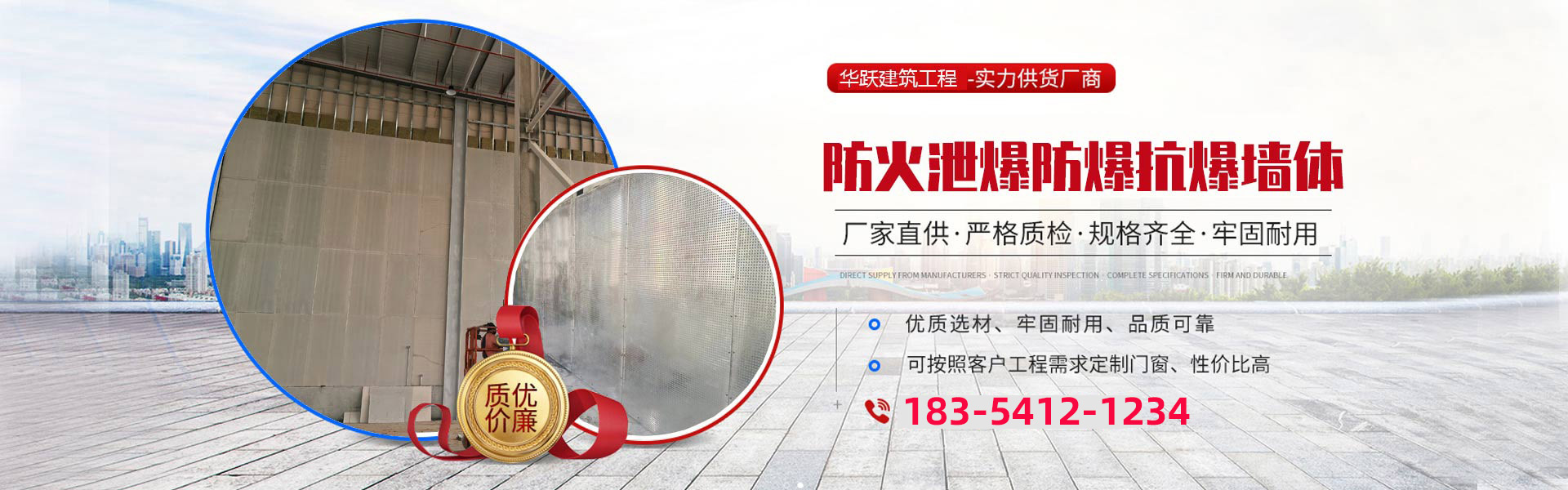

1. Prior to installation, it's crucial to establish the horizontal line and vertical control points to ensure subsequent construction is level, sturdy, and stable. Additionally, ensure the distance between the frame and embedded components is within the standard range; if using expansion bolts for connection, consider their suitability as well. 2. Select the appropriate size and specification based on design requirements. 3. Leave sufficient gap widths between different materials (e.g., staggered joints) to prevent wall deformation due to load differences, which can affect later normal usage. 4. Try to avoid overall slotting or cutting; if necessary, have personnel operate or obtain a qualified certificate after special technical treatment before using it, and follow the instructions. (This helps prevent irregular cracks.) 5. Always clean the dust at the jointing area thoroughly (and rinse with water if necessary), and ensure moisture is evaporated before applying the adhesive work. (This benefits the better performance of the adhesive mortar.) 6. Pay attention to product protection and maintenance (prohibited from impacting finished walls). Take timely remedial measures to repair and improve any issues (to ensure it does not affect the quality of the work). This is all about the lightweight composite thermal insulation board. We hope it is helpful to you!
