
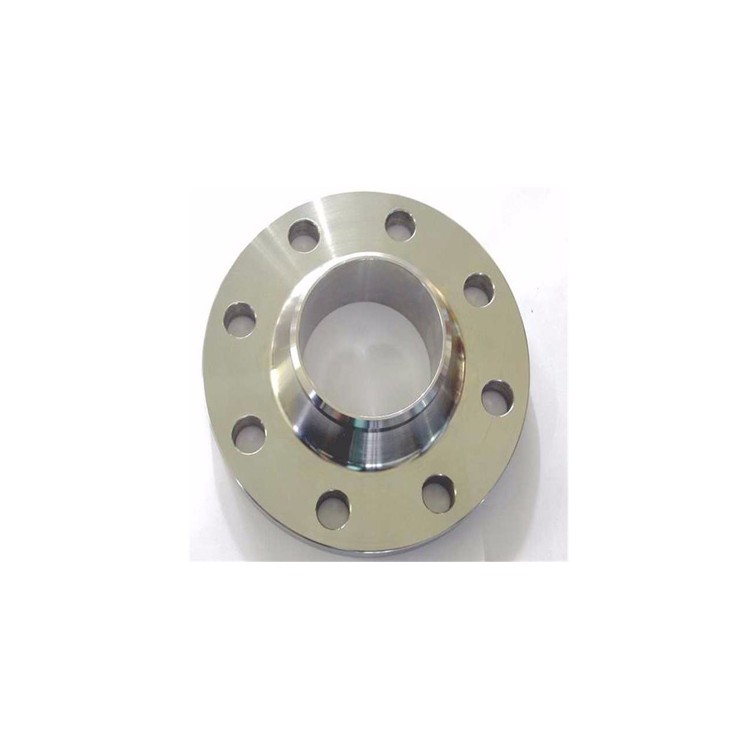
 Welding Flange
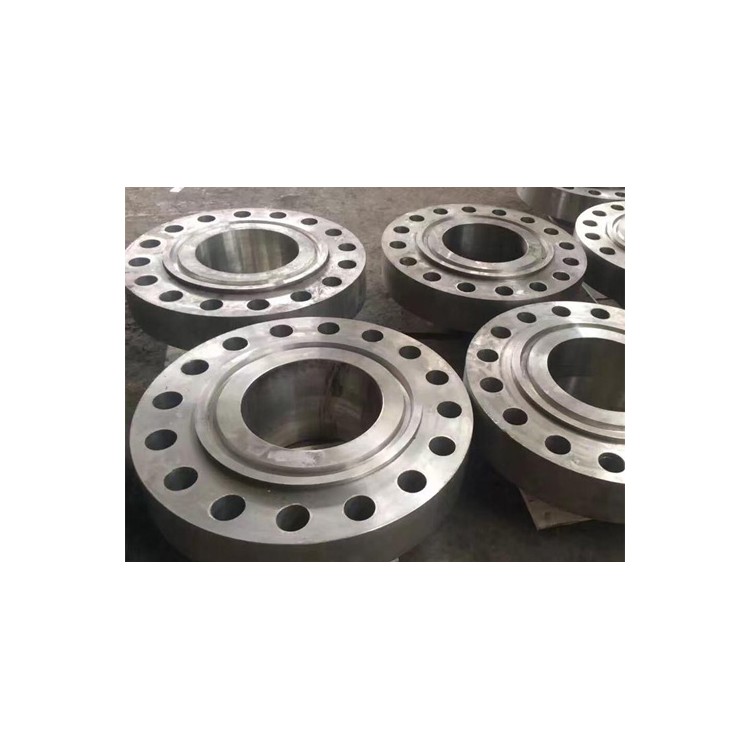 Welding Flange Manufacturer
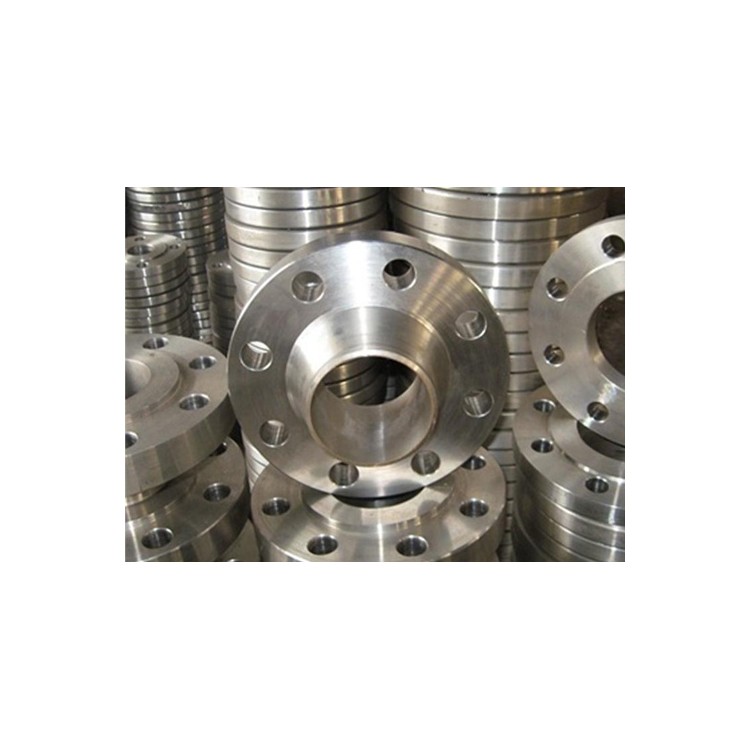 High-pressure Flange
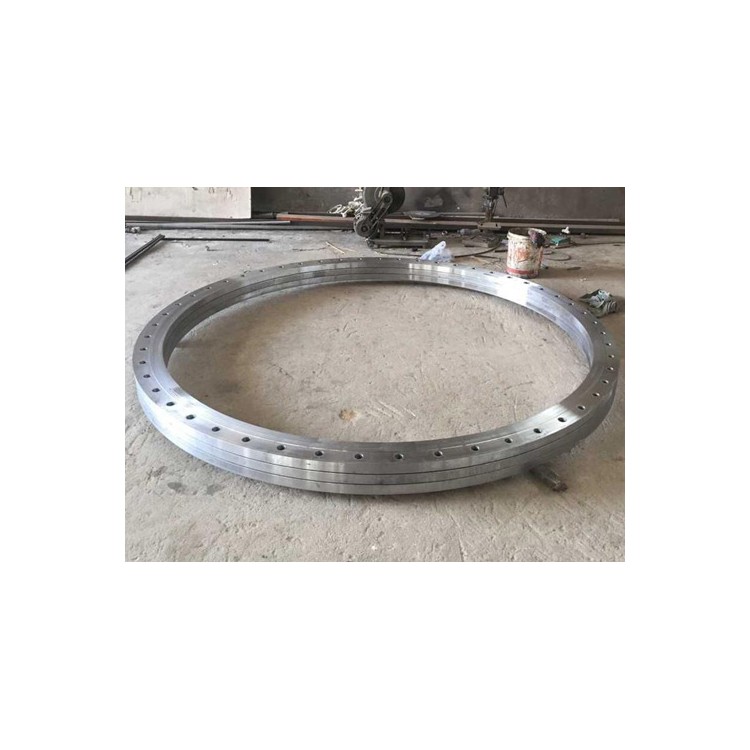 Flange
Product Details

Flanges, Flange Plates, Weld Neck Flanges, Blind Flanges, Ship Type Flanges, ...
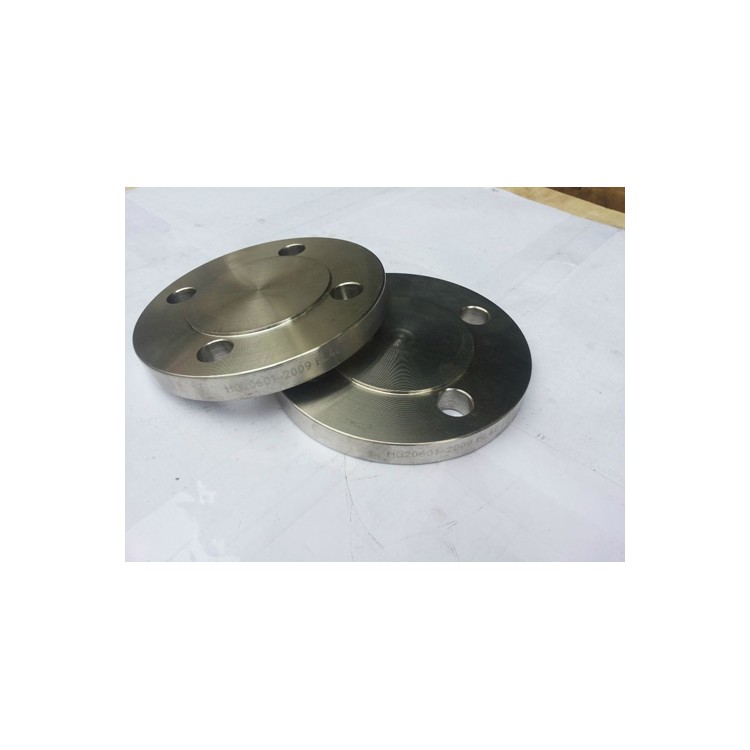
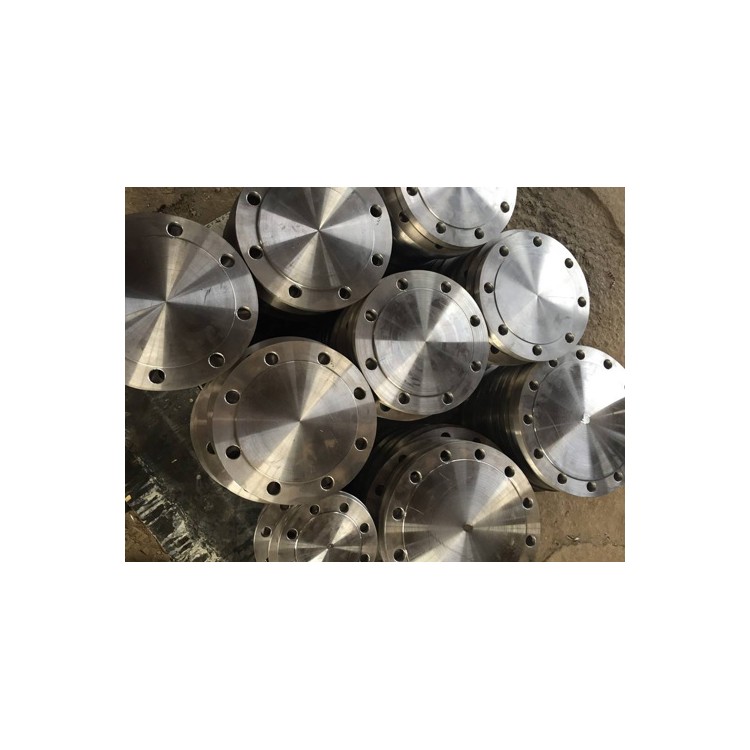
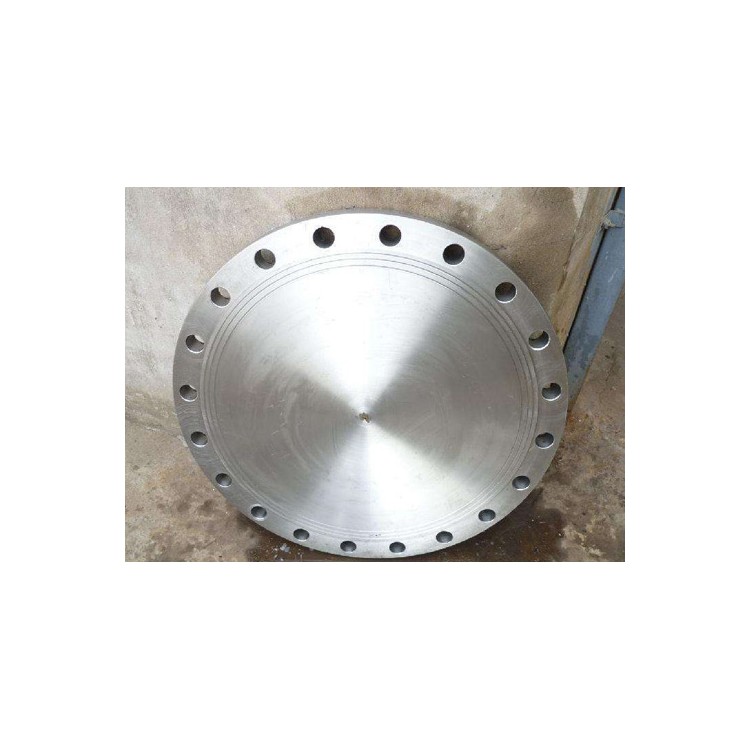
产品Price 4.00/Piece
最小起订Quantity:1 Piece 供货总Quantity: 9999 Piece


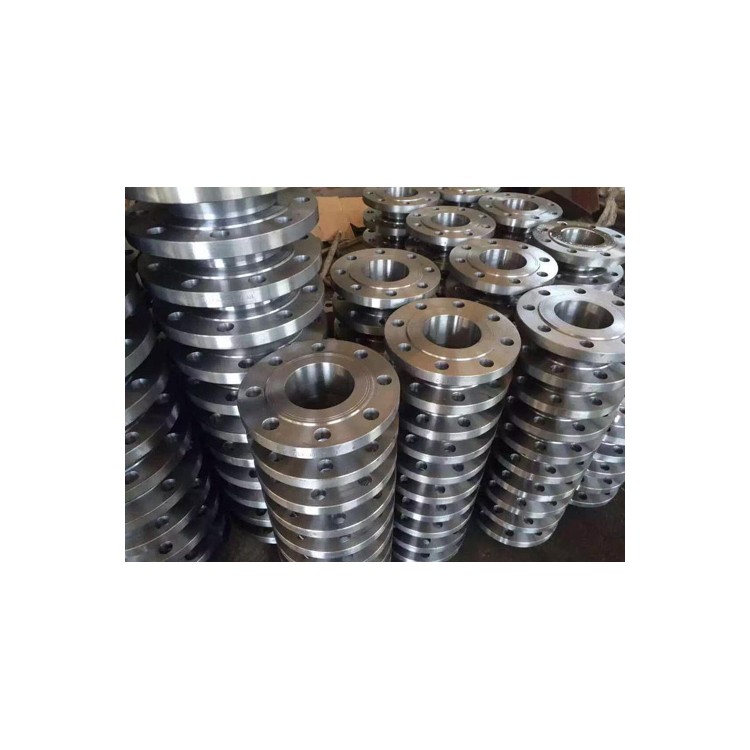 Ship Marking Welding Flange
¥4.00
Ship Marking Welding Flange
¥4.00
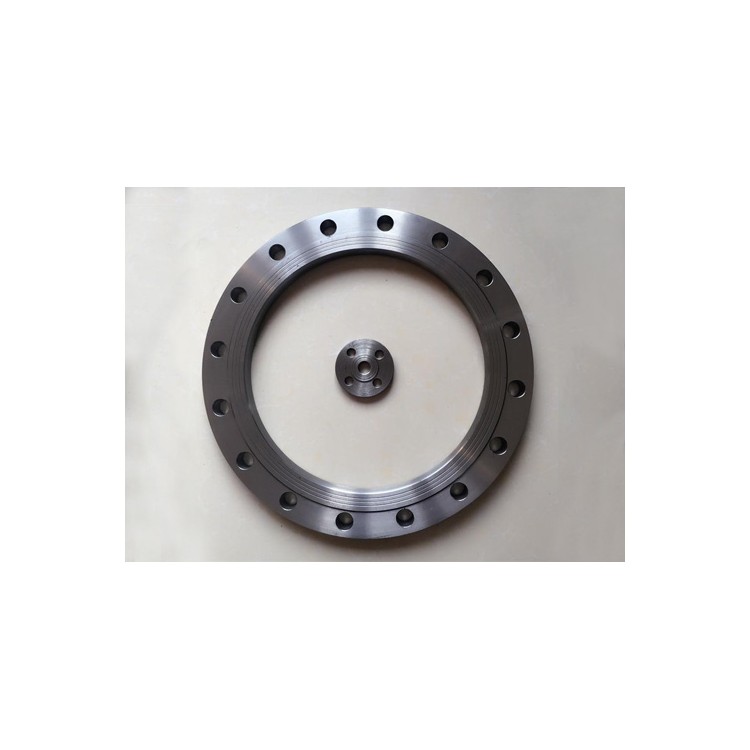 Flange plate
¥4.00
Flange plate
¥4.00
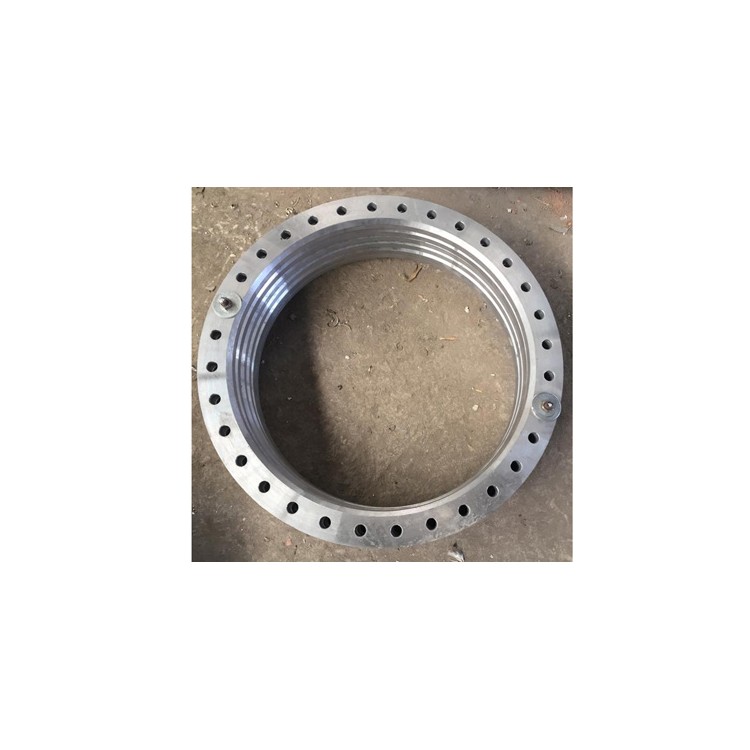 Flat Weld Flange Manufacturer
¥4.00
Flat Weld Flange Manufacturer
¥4.00
Flange Factory: |
|
Flange manufacturer: |
20 cm |
Flange Manufacturer: |
20 cm |
Quick-opening blank flanges require personnel to maintain and service their equipment, including inspecting for mechanical damage on the surface of the sealing rings, rust and debris inside the sealing grooves, ensuring the contact surfaces of the door and lock ring are clean and free of rust, checking the integrity of the bolt holes for pressure relief bolts, and ensuring they are not corroded. Use a pump-assisted detector to test through the lower drainage holes of the quick-opening blank flange, inserting the probe into the drainage hole and waiting for the pointer to remain stable for over 3 minutes before reading. Check for the integrity of the locking and sealing bands, ensuring there are no visible scratches or wear, and clean the grooves, locking bands, and sealing bands. Apply a thin layer of anti-corrosion silicone grease to the grooves and sealing surfaces; adjust the door with the all-directional handle to make it vertically enter the neck of the quick-opening blank flange. Place the handle on the drive connection and rotate it clockwise until the locking band reaches the neck entrance. Install the door locking block, tighten the pressure alarm bolt, and complete the closing operation.
The quick-opening blank flange purifies natural gas by entering the equipment through the inlet and into the equipment's cyclone separation zone. When impure gas enters the cyclone separation pipe along the axial direction, the airflow is directed by the guide vanes, causing a strong rotation. The airflow spirals downward along the cylinder body. Dense liquid droplets and dust particles are thrown to the wall under the action of centrifugal force and fall along the cylinder wall due to gravity, flowing out through the cyclone pipe dust outlet to the storage area at the bottom of the equipment. The rotating airflow contracts in the cylinder and flows towards the center, forming a secondary vortex that flows up through the guide pipe to the purification room of the natural gas, and then exits through the top outlet of the equipment. The cyclone separator uses a vertical cylindrical structure, internally divided along the axial direction into collection areas, cyclone separation areas, purification room areas, etc. The cyclone components are uniformly distributed in a circular direction and are also fixed through the upper and lower tube plates; the equipment is supported by a skirt base, and the head is made of a high-pressure elliptical head. For wet gas, we often use the lower inlet scheme, as the lower inlet can utilize the lower space of the equipment for pre-separation of liquid droplets with diameters greater than 300μm or 500μm to reduce the load on the cyclone section.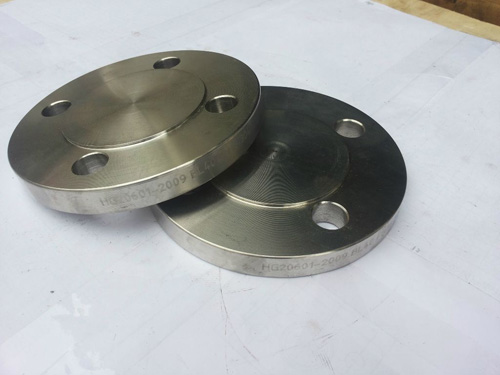

Phone Consultation