
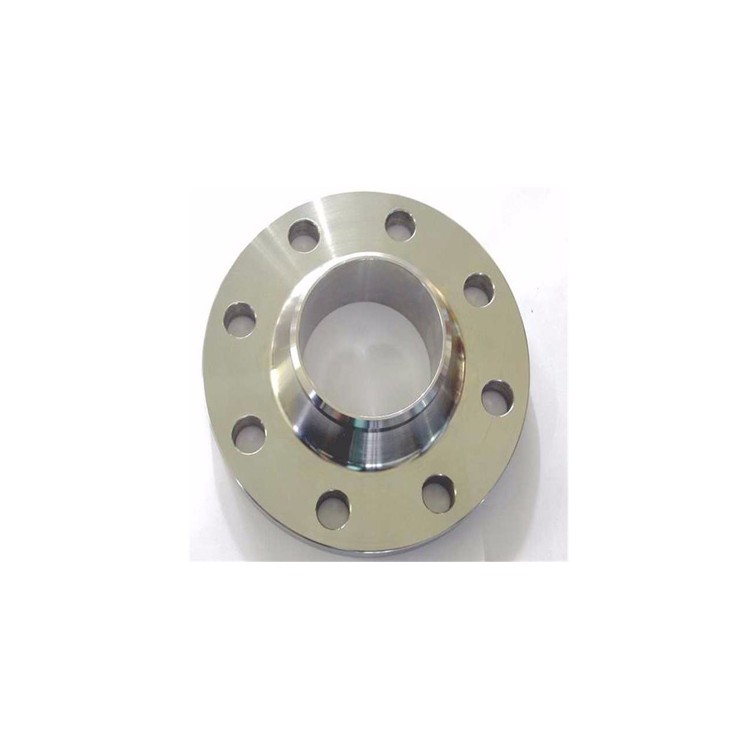
 Welding Flange
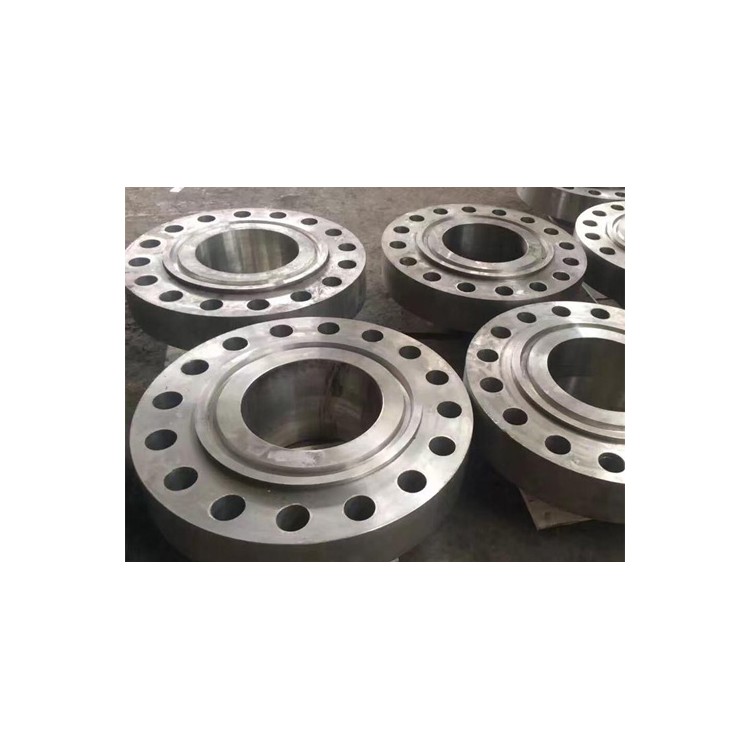 Welding Flange Manufacturer
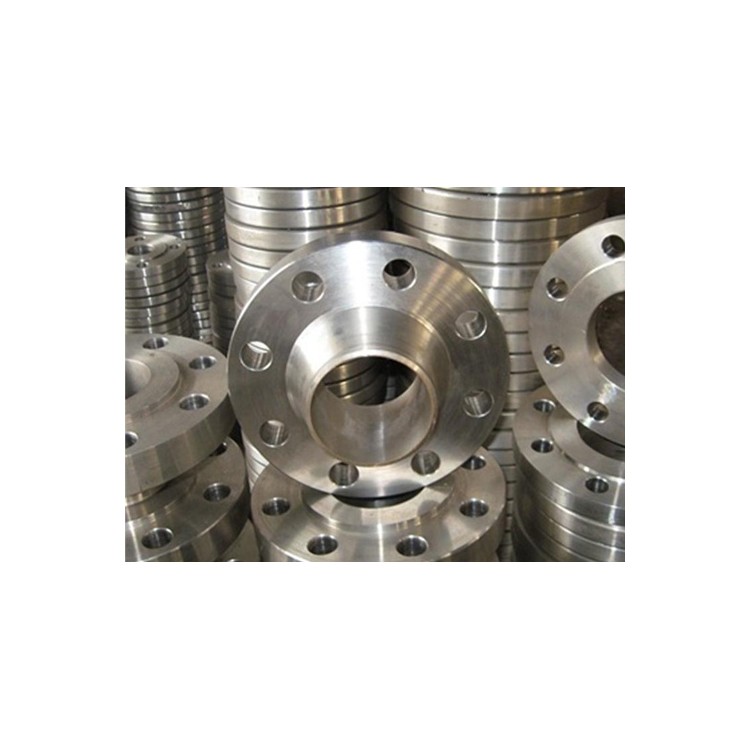 High-pressure Flange
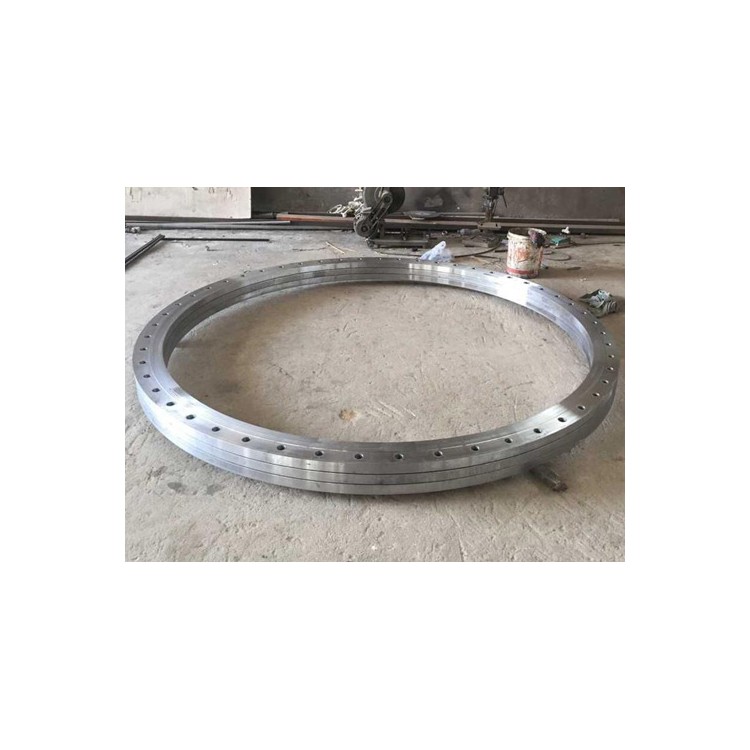 Flange
Product Details

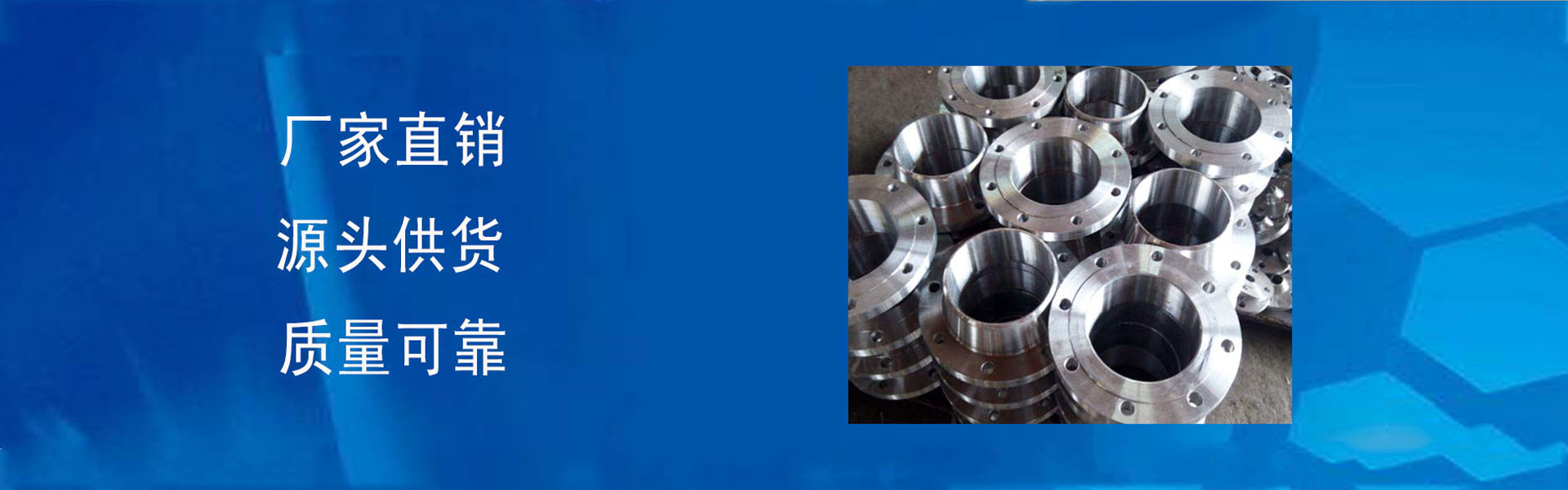
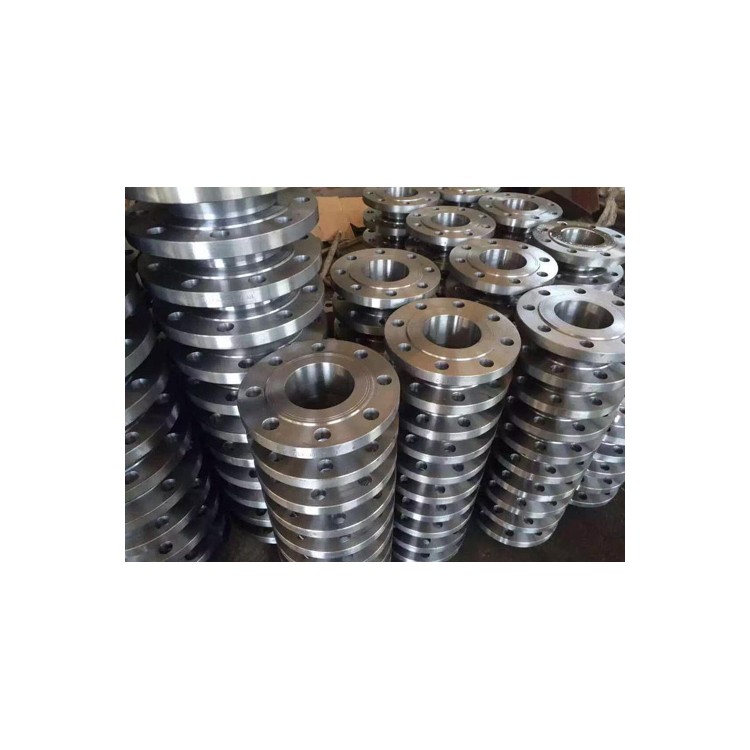
Flanges, Flange Plates, Weld Neck Flanges, Blind Flanges, Ship Type Flanges, ...
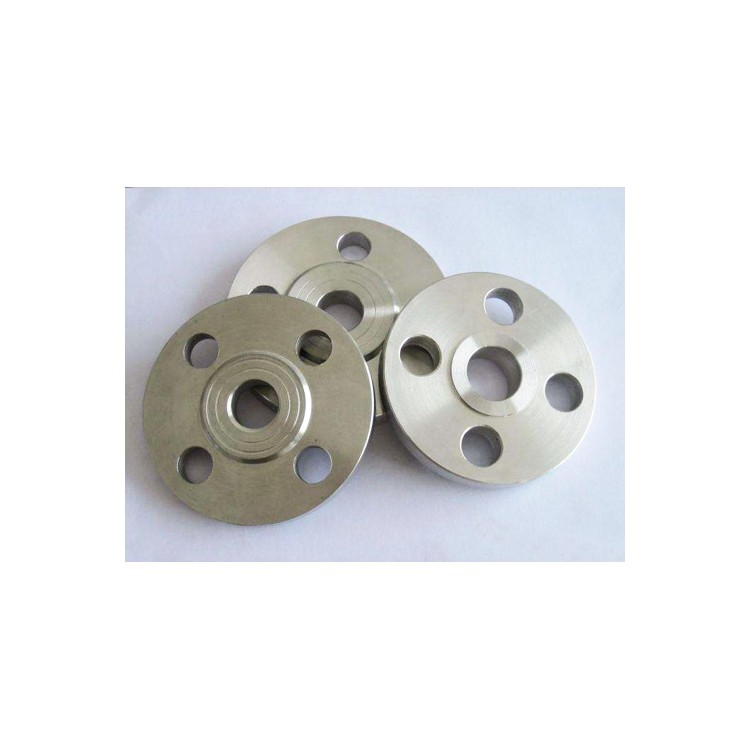

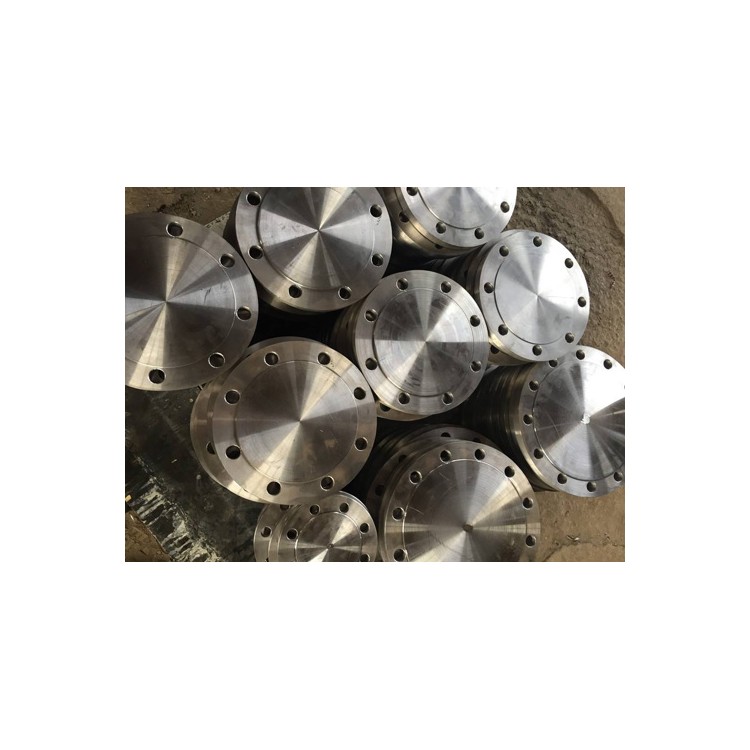
产品Price 5.00/Piece
最小起订Quantity:1 Piece 供货总Quantity: 9999 Piece


 Ship Marking Welding Flange
¥4.00
Ship Marking Welding Flange
¥4.00
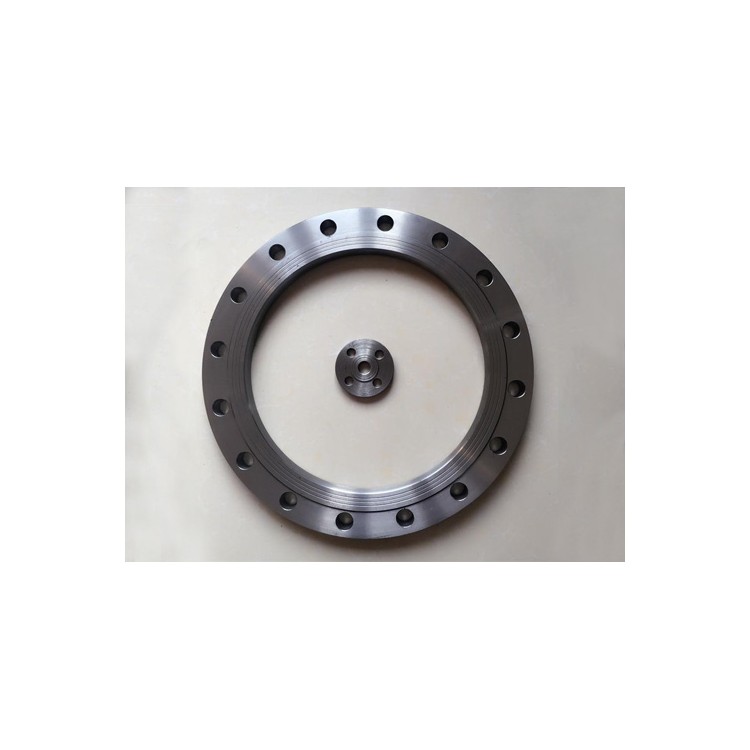 Flange plate
¥4.00
Flange plate
¥4.00
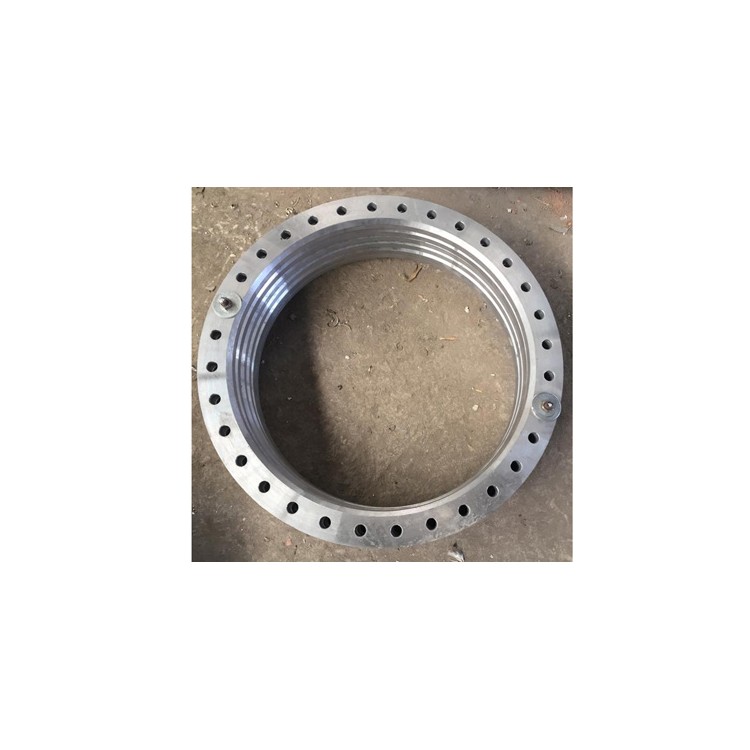 Flat Weld Flange Manufacturer
¥4.00
Flat Weld Flange Manufacturer
¥4.00
Flange manufacturer: |
|
Flange Manufacturer: |
20 cm |
Faucet manufacturer: |
20cm |
Carbon steel blind flanges, with the rapid development of long-distance pipeline construction at home and abroad, have become an indispensable part of pipeline pressure testing. Prior to and after testing, each section of the pipeline must be cleaned with a ball sweep, typically 4 to 5 times. Particularly after testing, it's difficult to clean the water remaining in the pipeline, requiring more sweepings. The construction method of using repeated welding for sealing the ball receiving end has issues: it increases labor intensity; it's material-intensive, requires frequent use of large equipment, and is costly. To address the problems of high labor intensity, material consumption, and high equipment usage during ball sweepings after long-distance pipeline pressure testing, a new simple quick-opening large flange blind plate construction method is proposed. This method introduces the structure, working steps, and strength verification of the quick-opening blind plate. Through application in the Shennonglan Gas Pipeline project, it has been proven that the quick-opening blind plate method is three times more efficient than the repeated welding method, not only reducing labor intensity but also cutting costs. Prior to measurement, carbon steel flanges require certain preparatory work and must be measured according to specific methods to ensure accuracy. Carbon steel blind flange requires connection to piping, various types of installation flanges. Low-pressure piping flanges can be silk-welded, and flanges can be焊接 using kilogram pressure. The method involves bending half of the medium-thickness steel plate and then welding the two parts together, which is an uncommon process. Carbon steel flange blank can also exhibit wrinkling that deserves the attention of beginners: wrinkles should not exceed 30 degrees, but start at 50 degrees. The deeper the wrinkles, the more it indicates that the bending of the pipe is slipping due to insufficient pressure from the clamping mold. As the bending angle increases, so does the bending strength, leading to more severe slipping and deeper wrinkles.

Phone Consultation