


The Continuous Casting and Rolling Mill Bottom Hearth Uniform Heating Furnace, also known as a through-type rod bottom tunnel kiln, is generally divided along the furnace length into: the heating section, conveying section, and transition section. The furnace roof is removable, movable, and can be reversed for maintenance.
The operating conditions within the furnace typically involve gas or oil as fuel sources, with an oxidizing atmosphere prevalent inside. The furnace sections generally reach temperatures of 1200°C, the heating section ranges from 1100-1200°C, the conveying section from 1050-1180°C, and the transition section from 1050-1160°C.
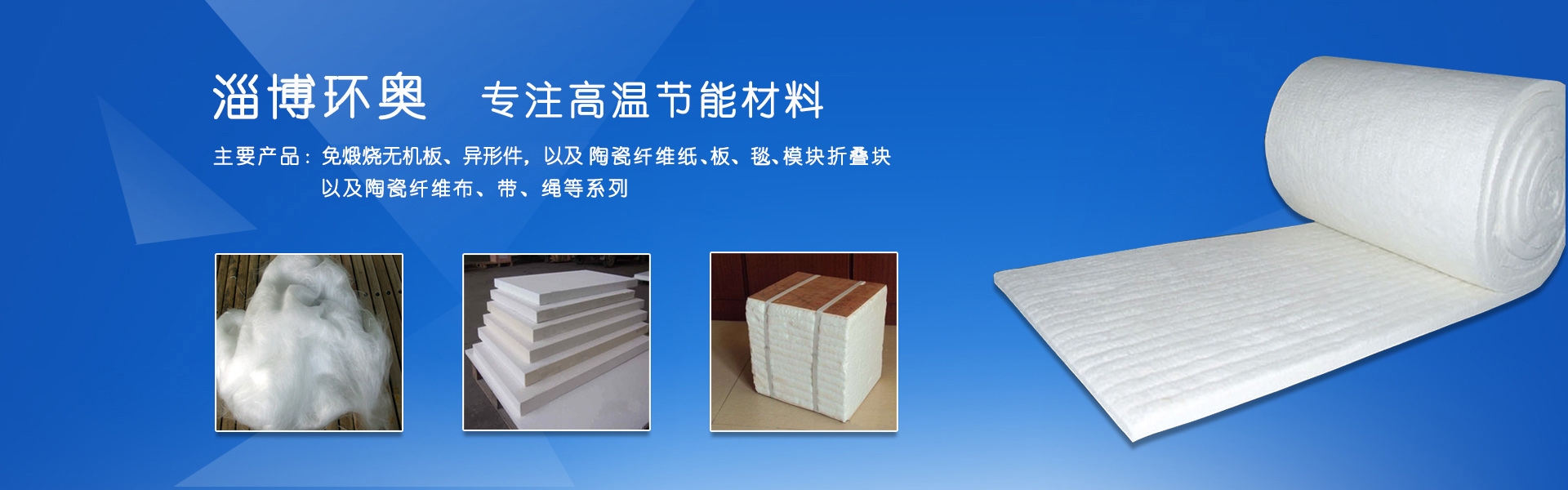
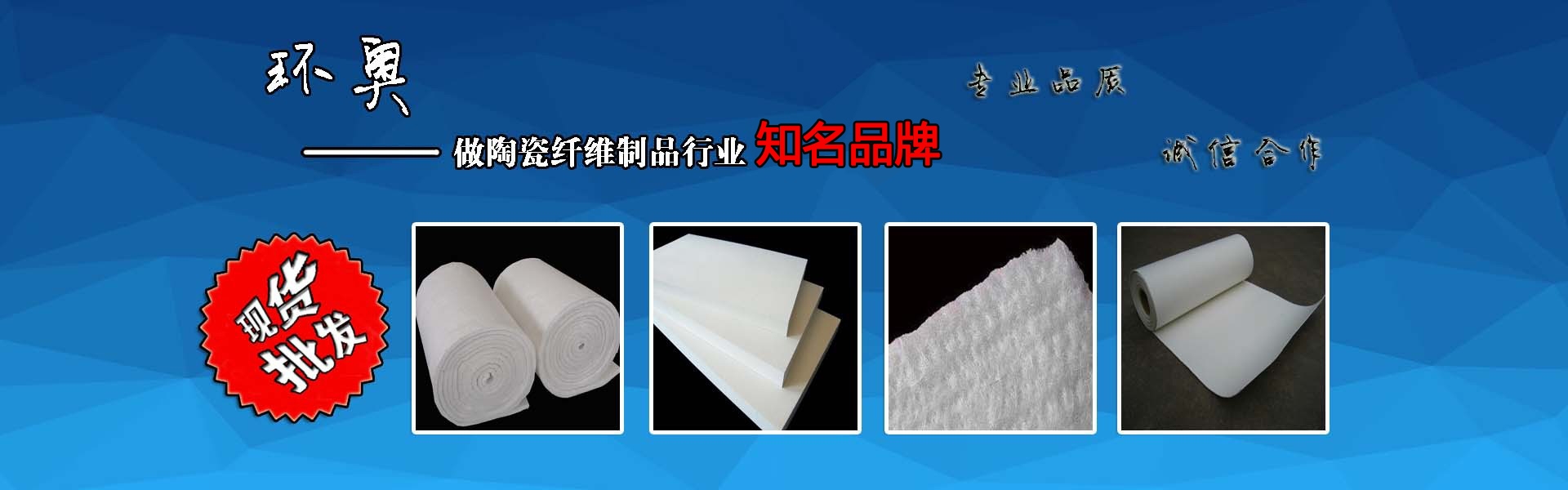
Based on the provided furnace atmosphere and temperature usage, Zibo Huanao Refractory Insulation Material Co., Ltd. currently employs the following roller hearth furnace insulation and heat preservation scheme: The furnace roof and wall heat surfaces use ceramic fiber modules at a temperature of 1400°C, while the refractory lining material is selected with ceramic fiber felt at 1260°C. After the insulation engineering is completed, the entire lining thickness is approximately 290-350mm, which allows the external temperature of the homogenizing furnace to rise by about 40°C. This achieves excellent heat preservation, insulation, and energy-saving effects.
Construction Method:
Typically, the furnace walls and roofs are constructed using a composite method that involves overlapping ceramic fiber modules and ceramic fiber mats.
The bottom ash hopper and slag door are typically lined in three layers to ensure wear resistance and slag erosion resistance: 1. The hot surface of the ash hopper is lined with lightweight insulating castable material; 2. The middle layer is lined with lightweight firebrick; 3. The outer layer is lined with ceramic fiber board.
The slag outlet section is lined with heavy-duty refractory castable, the intermediate layer is constructed with refractory bricks, and the cold face layer is made of ceramic fiber mechanism boards.
The chimney section: Due to the requirement of wind erosion resistance and internal and external wall temperatures, our company typically uses two layers of heavy-duty castable material on the hot surface and light-duty castable material on the cold surface during construction.
The chimney section: Generally, heavy and light castable materials are used as the primary lining material.
Zibo Huanao Refractory Insulation Co., Ltd. currently utilizes ceramic fiber modules for the wall lining of the furnace wall and roof in roller hearth homogenizing furnaces, offering the following advantages:
Ceramic fiber modules, upon release from their bindings, interlock in various directions without creating gaps, achieving a sealed effect.
2. The flexible ceramic fiber blanket can withstand mechanical forces, its elasticity compensating for the deformation of the furnace shell, ensuring no gaps between components.
3. Ceramic fiber is a refractory material with high thermal conductivity and insulating energy-saving effects, aside from nanomaterials. Due to its light weight, it absorbs very little heat as an insulating material; its low thermal conductivity results in high energy-saving effects; and it has the ability to withstand any thermal shock.
4. Insulation linings constructed from ceramic fiber modules and ceramic fiber mats do not require drying or curing, allowing for immediate use after installation.
5. The pre-installed metal anchoring system in the ceramic fiber module is positioned away from the component's hot face, keeping the metal anchors at a relatively lower temperature.
6. The chemical properties of the ceramic fiber refractory lining are stable, with resistance to corrosion by most acids and bases, as well as water, oil, and steam, excluding phosphoric acid and strong bases.
