

Ceramic fiber and glass fiber come in various product forms. Glass fiber ultra-fine wool is priced lower than ceramic fiber cotton; however, glass fiber mat is more expensive than both ceramic fiber cotton and ceramic fiber felt. Why is that? It depends on the raw materials, production processes, and product characteristics.
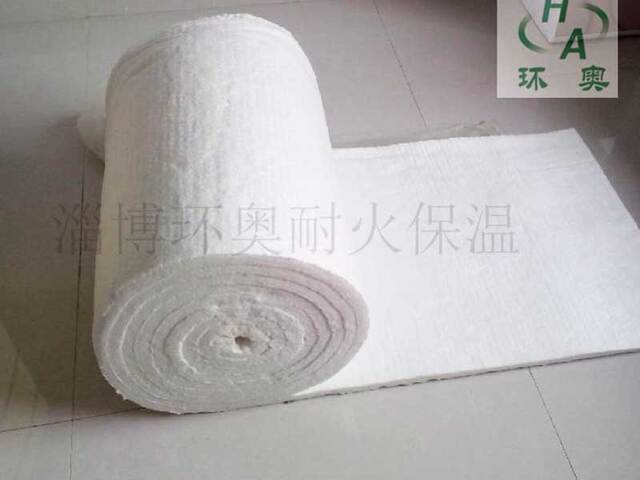
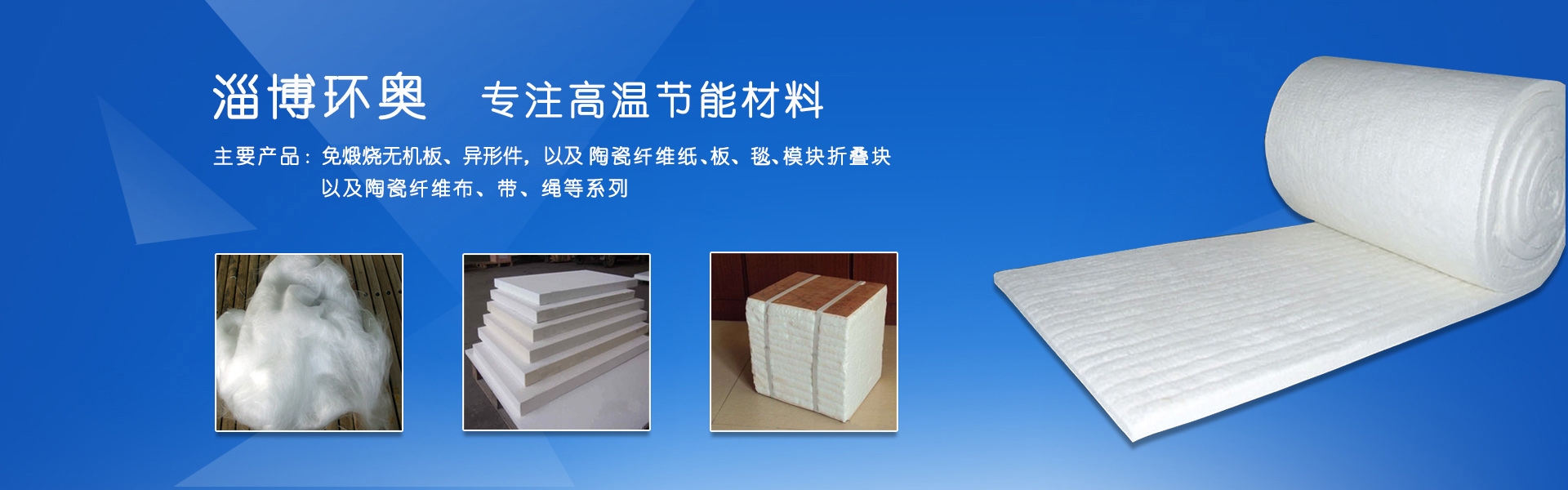
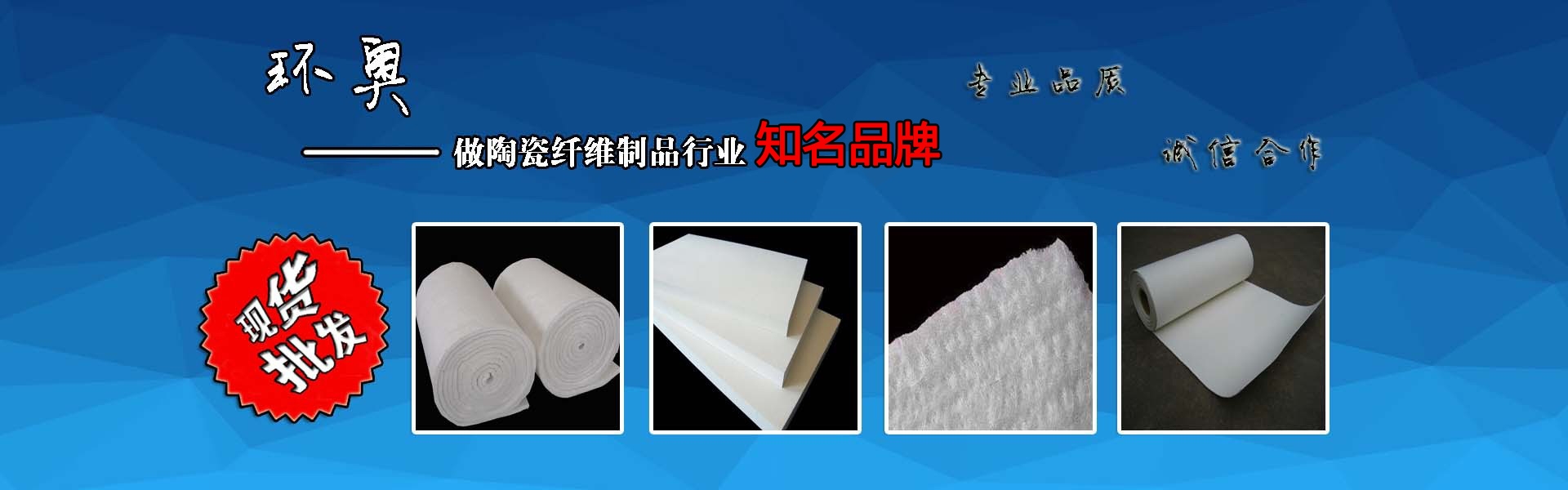
portant;">Ceramic Fiber棉Also known as alumosilicate fiber cotton or simply alumosilicate cotton, it is a new type of refractory insulation material. The fluffy form is ceramic fiber loose cotton, while the rolled mat form is ceramic fiber blanket. Ceramic fiber cotton is categorized by its耐火temperature: there's the general type at 1050°C, standard type at 1260°C, high purity type at 1260°C, high aluminum type at 1400°C, zirconium-aluminum type at 1400°C, and zirconium-containing type at 1400°C. The long-term working temperature of ceramic fiber cotton is between 950°C and 1280°C, with an actual usage temperature range of -50°C to 1280°C.
Glass fiber cotton is an insulating material with a maximum service temperature of no more than 500°C. Glass fiber ultra-fine cotton typically operates at around 300°C, is yellow, coated with adhesive, and is affordably priced. It is commonly used for low-temperature insulation and wall insulation. Glass fiber felt has a service temperature of about 400°C, is white, and is not coated with adhesive. Some glass fiber felts are covered with aluminum foil (for gas resistance and radiation reflection), and are mainly used for insulating low-temperature pipeline equipment.