
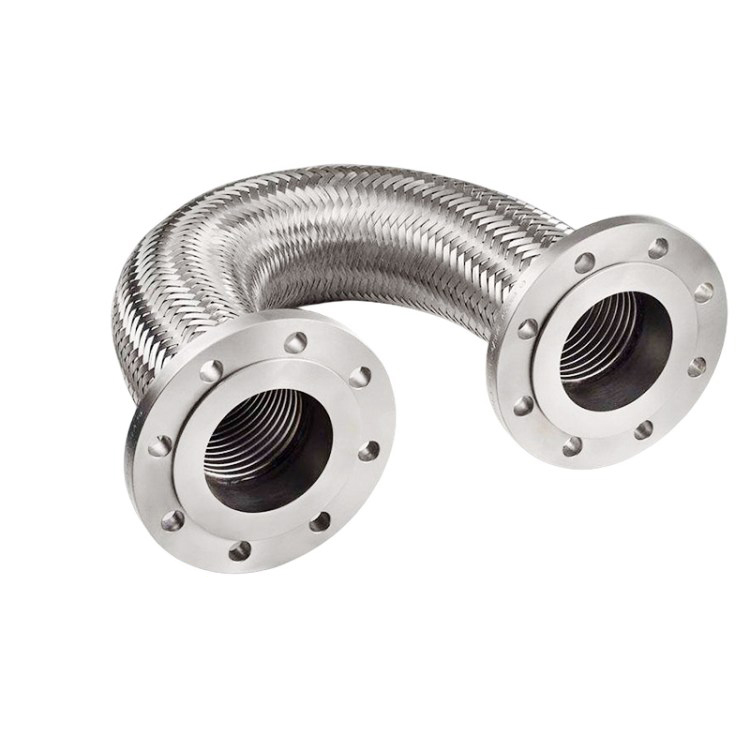
 Metal Hose
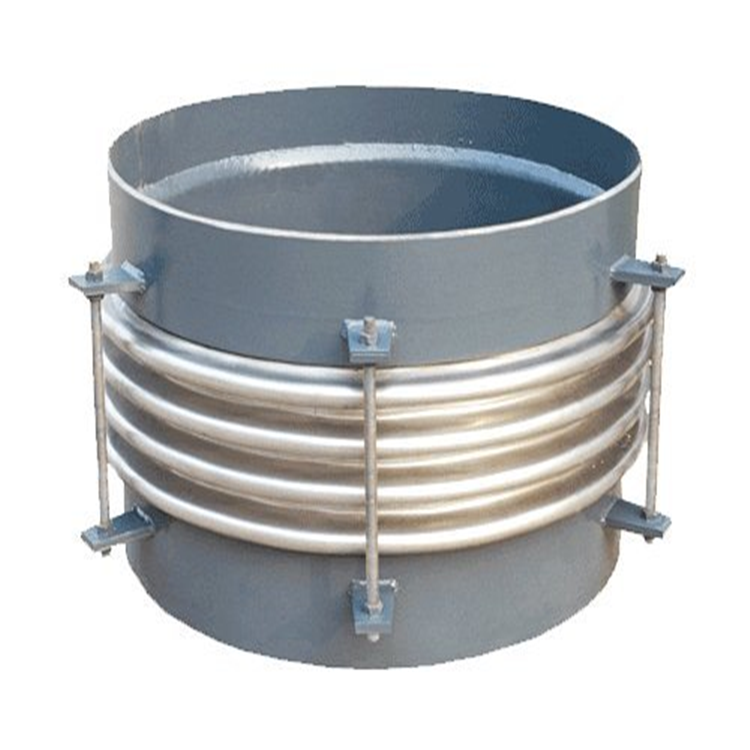 Expansion joint
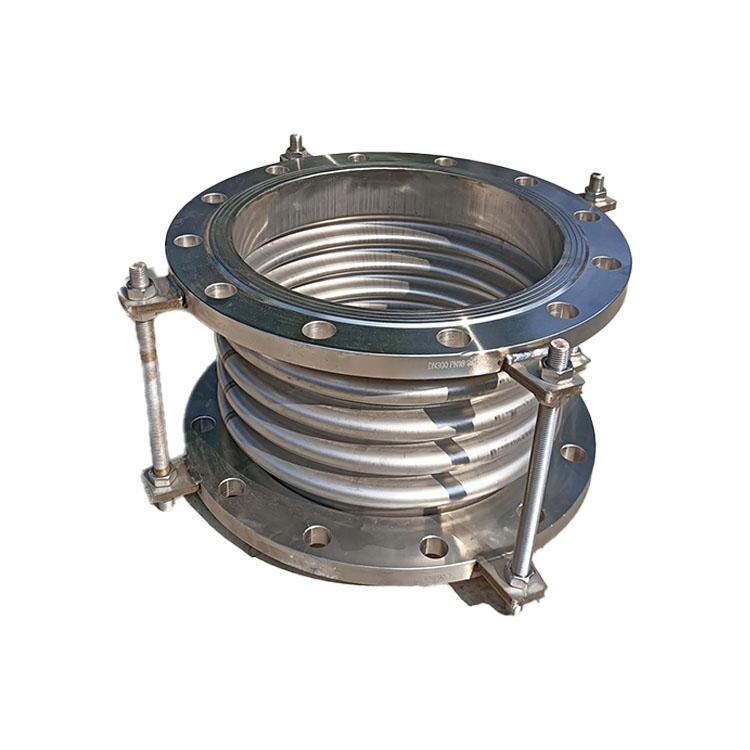 Compensator
 Metallic bellows compensator
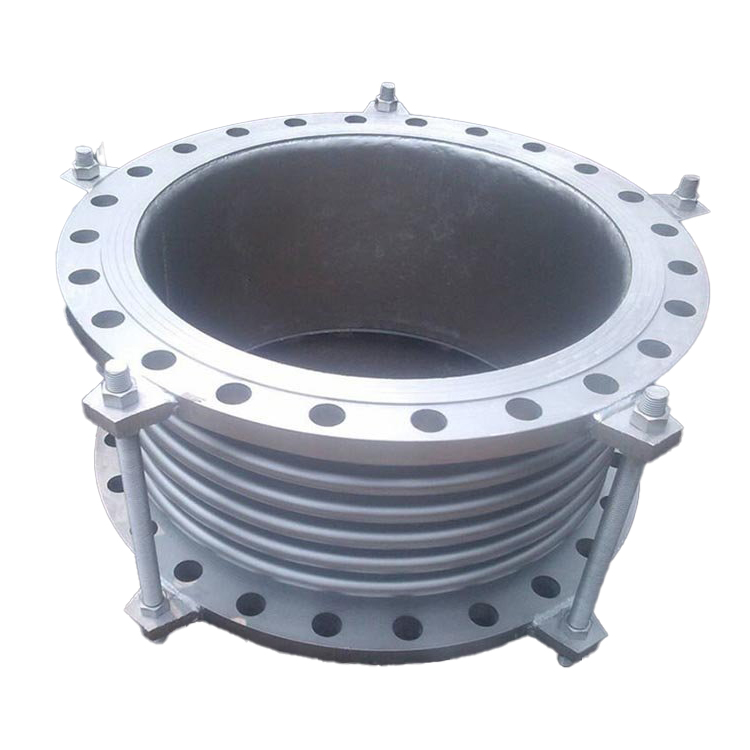 Expansion joint
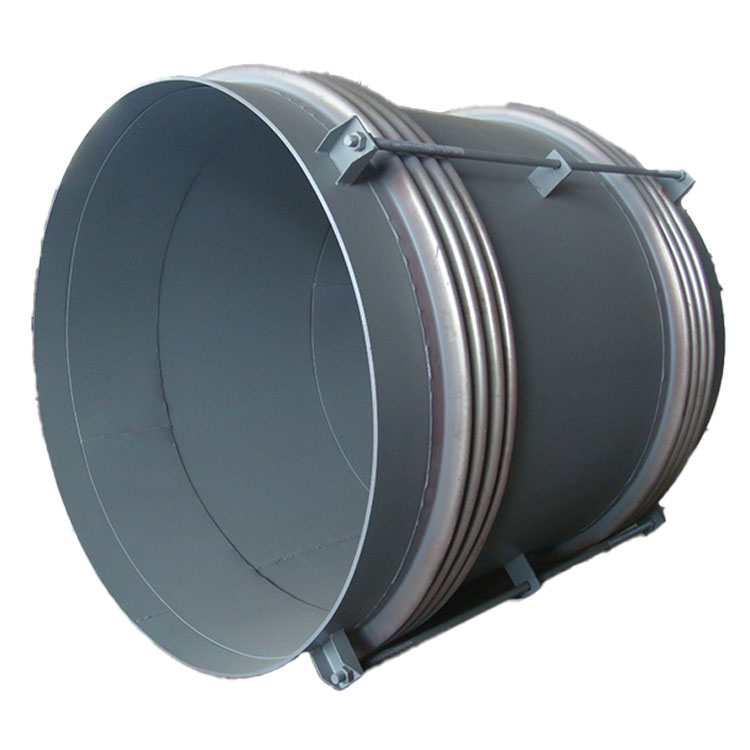 Compensator
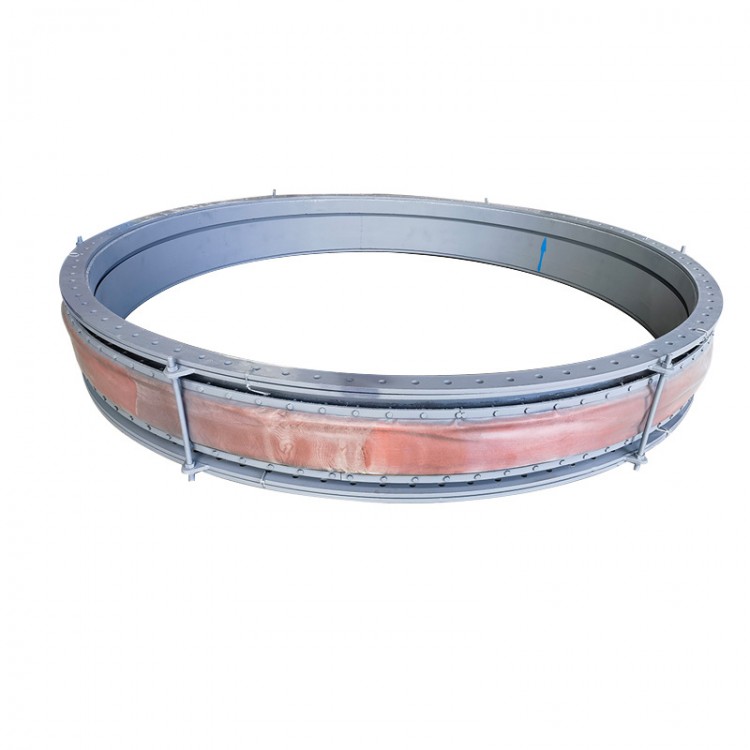 Non-metallic compensator
Product Details



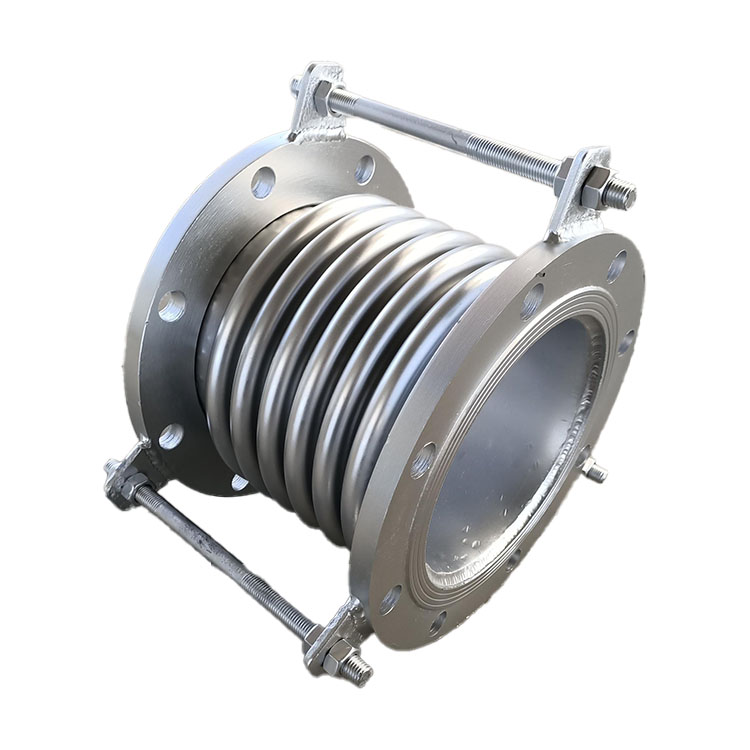
产品Price Negotiable
最小起订Quantity:1 Unit 供货总Quantity: 9999 Unit


Design Pressure |
|
Design Temperature |
0-400°C |
Compensation Quantity |
30-300mm |
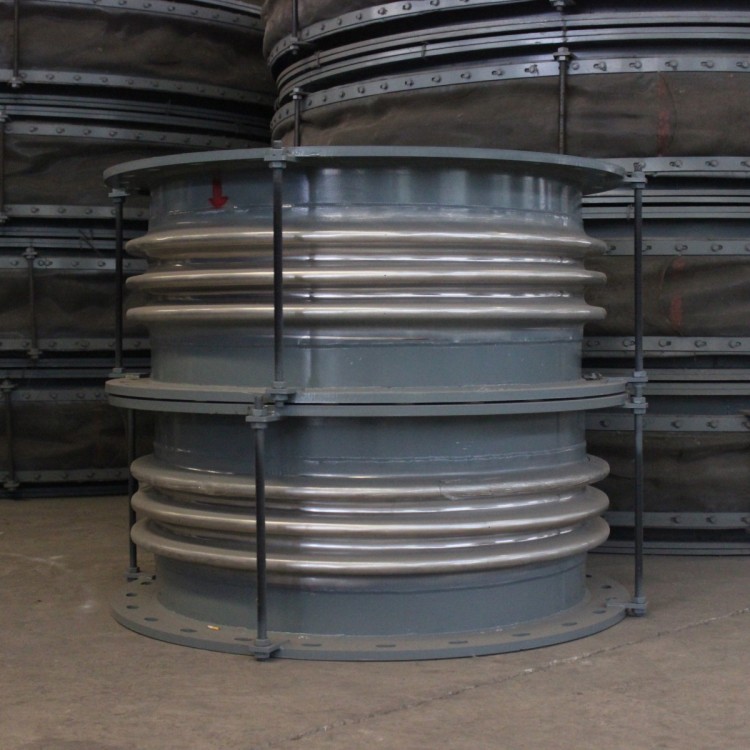
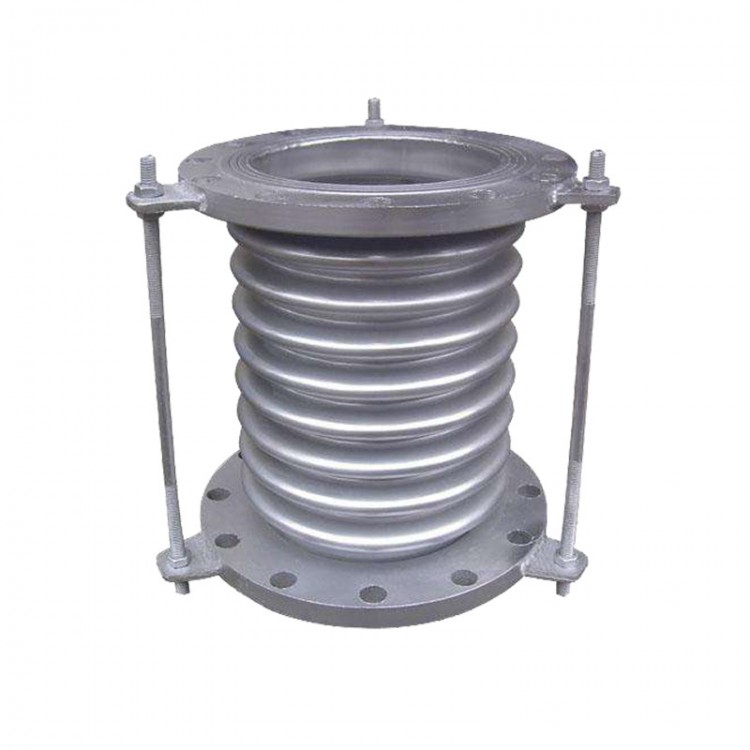
Compensators, also known as expansion joints or flexible joints, are a vital piece of equipment in modern industry. Their core function is to utilize their own elastic deformation capabilities to compensate for axial, angular, lateral, and combined displacements in pipes, conduits, vessels, etc., caused by thermal expansion and contraction, mechanical deformation, or various mechanical vibrations. This unique compensating ability not only ensures the stable operation of the piping system but also significantly extends the service life of the pipes and related equipment. The compensator is mainly composed of bellows, end tubes, brackets, flanges, and other accessories. Among them, the bellows serve as the main body of the compensator, featuring excellent elasticity and flexibility, capable of quickly responding and absorbing various displacement changes. Meanwhile, the end tubes, brackets, and other accessories ensure a firm and stable connection and operation between the compensator and the piping system. The compensator has a wide range of applications, including the inlets and outlets of various pumps, valves, and air compressors, fire protection piping, air conditioning piping, steam piping, as well as general factory piping and flexible connections. Additionally, compensators are extensively used in domestic water supply piping, machinery and equipment piping, and hot water and steam networks in thermal power plant areas. In these applications, compensators effectively reduce pipeline system vibration and noise, enhancing operational efficiency and stability. A wide variety of compensators are available, including axial, lateral, hinged, coal powder three-way, rectangular, high-temperature corrosion-resistant non-metallic, and standard non-metallic bellows compensators. Each type of compensator has its unique features and can meet the compensation needs of different pipeline systems. For instance, the axial compensator is mainly used to absorb the axial displacement of the pipeline, while the lateral compensator is primarily used for absorbing the lateral displacement of the pipeline.

Phone Consultation