
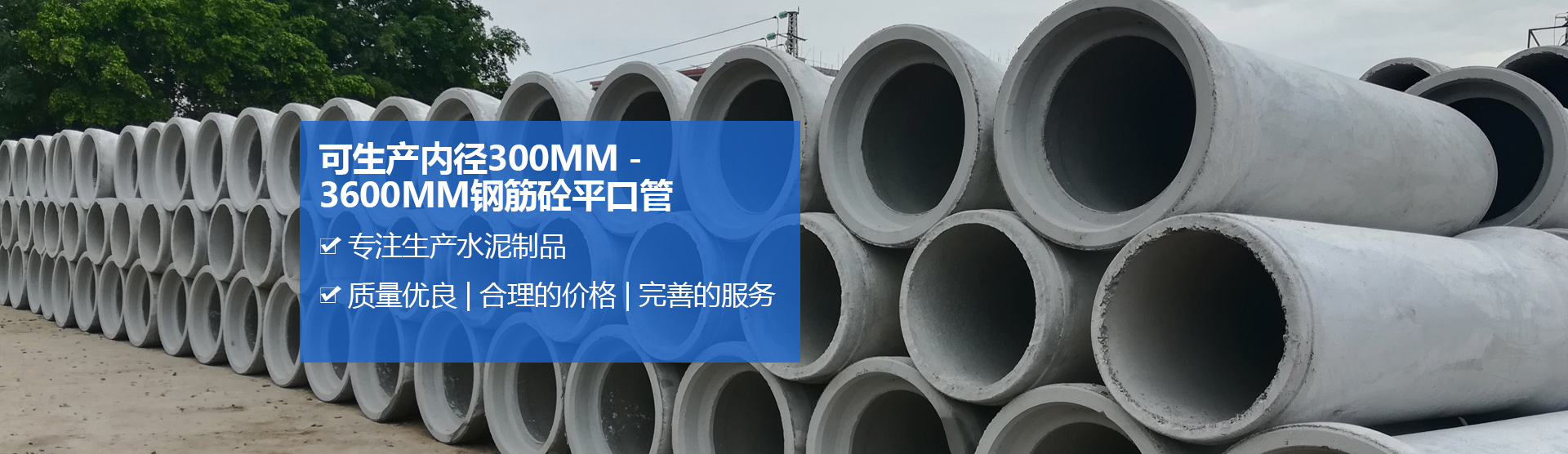
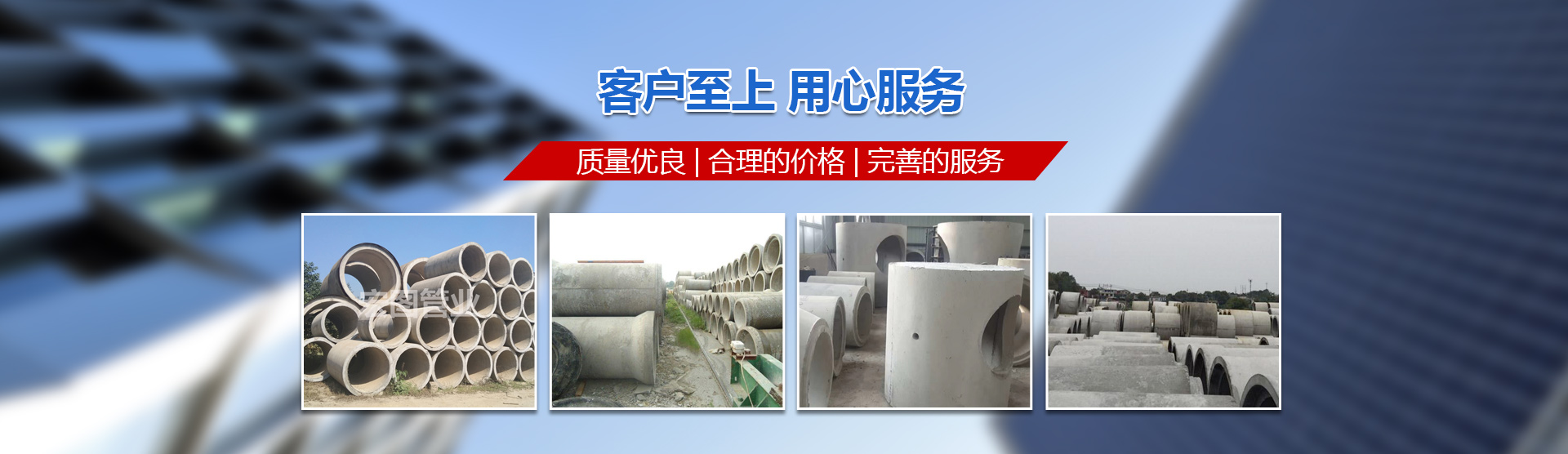



Available interface types include: flat, rigid flanged, socket and plug, and flexible flanged. Flat and rigid flanged pipes, due to their low construction efficiency and poor seismic performance, can cause the interface to be pulled apart due to ground displacement, leading to road collapse and damage. Therefore, these two interfaces are rarely used in engineering. Socket and plug and flexible flanged interfaces, with their rubber ring seals, offer good seismic performance, can resist uneven ground settlement, and have fast installation, making them popular among users.
Reinforced concrete anti-corrosion drainage pipe joints are non-metallic pipes made primarily from sea spongy mineral fiber, vinylon, and cement. They are produced by fully mixing and blending the materials with water under high speeds, followed by continuous rolling under pressure using pipe-making machines. They are widely used for cable protection in power and communication systems and can also be employed for water conveyance pipelines.
Cement pipe joints application scope: A-grade pipes are suitable for concrete encasement and laying. B-grade pipes are suitable for direct burial laying on sidewalks, green belts, and other non-motorized lanes, as well as for concrete encasement laying on motorized lanes used by heavy vehicles.
The basic structure of concrete pipes involves securing two rigid end plates at both ends of the drainage pipe through tension rods. To ensure sealing under specified water pressure, the contact area between the pipe ends and the rigid end plates is filled with elastic material. After sealing the end plates of the test device with the drainage pipe, water is injected inside and pressurized to the required test pressure to observe any leakage after closure.
