
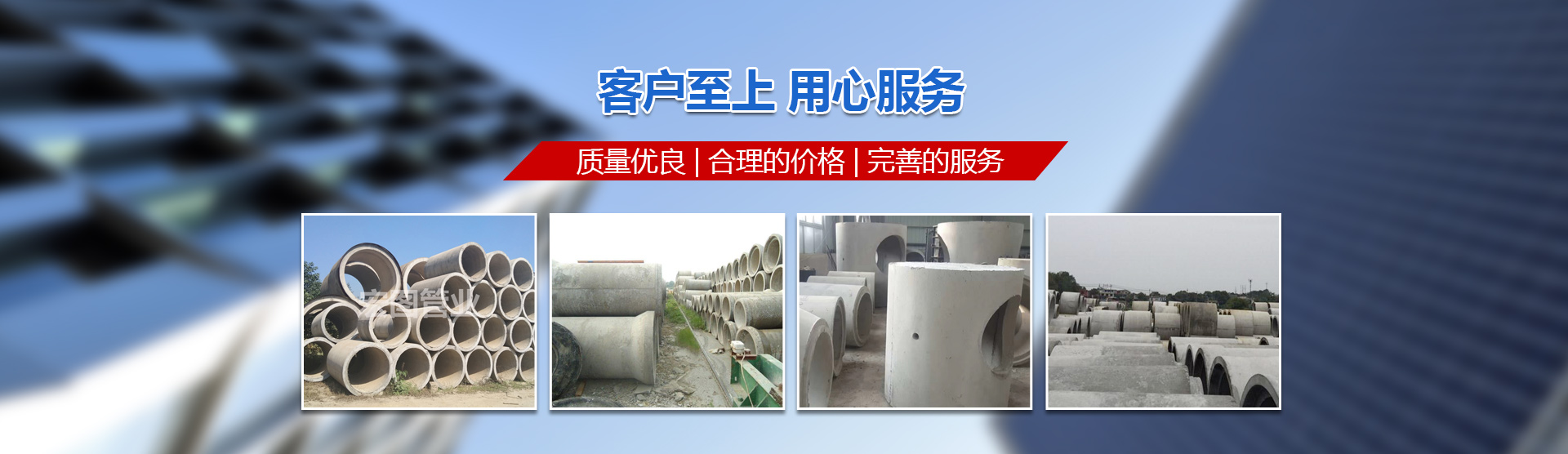



Cement manholes are primarily used to facilitate technicians in inspecting, maintaining, and repairing urban underground infrastructure, such as cable television, sewage, and utility lines. They are typically located at pipe intersections, bends, changes in pipe diameter or slope, with one set at regular intervals along straight pipe sections for convenient periodic inspection of auxiliary structures. Below are the advantages of cement manholes.
1. Short construction period and simple process. The concrete manhole is quantitatively customized according to certain design standards. Compared to traditional manholes, it boasts stable quality, durability, ease of operation, and a shorter production cycle, which can somewhat enhance construction progress and ensure timely completion.
2. Cost-effective and high-efficiency. Since most cement inspection wells are standardized, we can produce them using machinery, thereby reducing labor costs and increasing production efficiency. Additionally, this approach eases the workload for technicians, accelerates the progress of engineering quality, and promotes technological innovation in production.
3. Delicate and versatile, it stands out in confined spaces. The direction of the pre-drilled holes can be adjusted, particularly in increasingly complex underground pipeline construction.
4. The concrete manhole has excellent sealing performance, with the well body formed in one piece, boasting superior watertightness.
5. Durable and corrosion-resistant, it is not prone to breaking or cracking, with resistance to acids and alkalis, long service life, and relatively good strength.
