

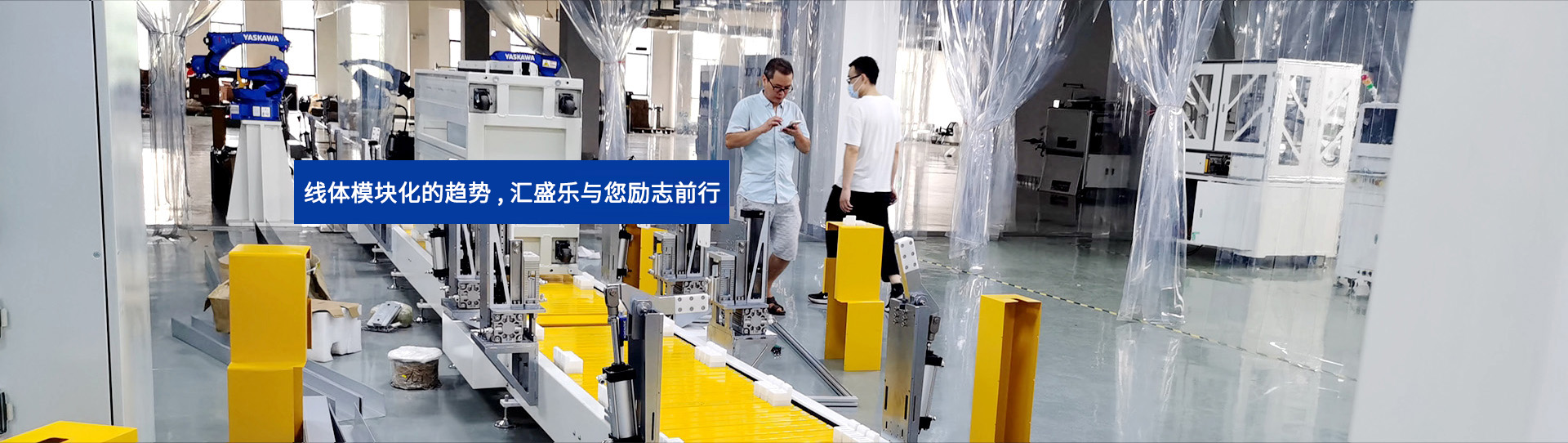
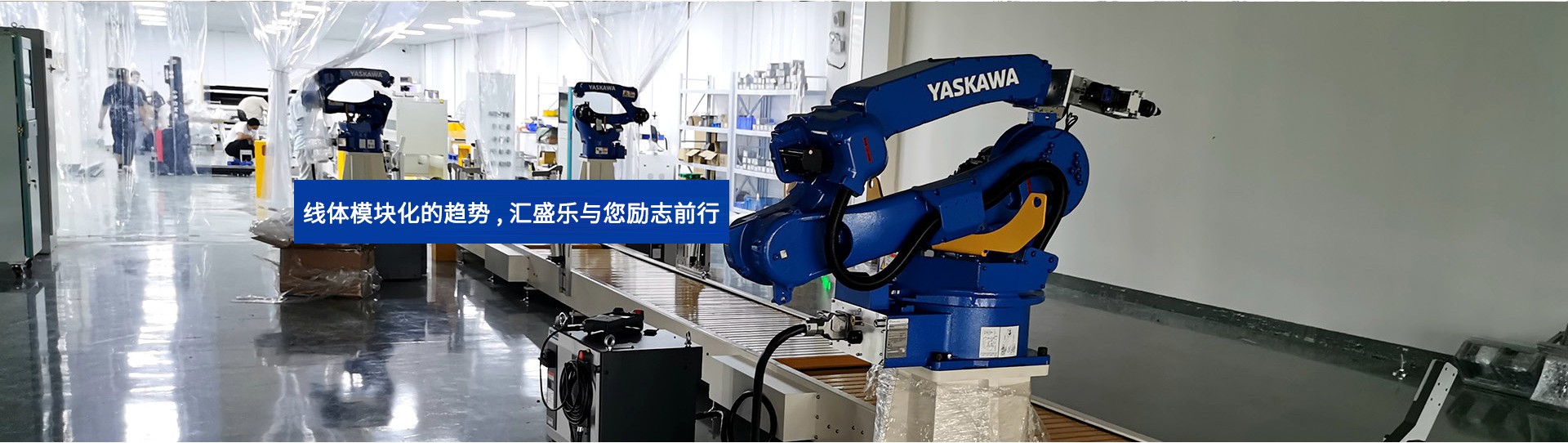


The assembly line features are complex and diverse; categorized by processing level, they can be operational component, instruction, and processor level; by the number of actions they can perform, they can be single-function or multi-functional assembly lines; by the connection method of internal functional components, they can be linear or non-linear assembly lines; and by the type of objects they can process, there are scalar and vector assembly lines.
Line Classification:
1. By function completed:
Single-function assembly line: Completes only one type of operation, such as multiplication or floating-point arithmetic, commonly used in digital signal processors (DSPs). Each processor can perform its function in parallel, accelerating the overall processing speed of the entire unit.
Multi-functional Production Line: Technology to Perform Different Functions in Various Situations
2. By processing level:
At the functional component level: Utilizing for more complex computations
Instruction-level: Dividing the execution process of an instruction into multiple stages
Processor Tier: Each processor completes its specialized task.
3. Categorization by manufacturing line structure:
Linear production line: refers to the sequential connection of various functional modules without feedback loops, as previously introduced.
Nonlinear Assembly Line: An assembly line with a feedback loop.
4. Categorized by the data type processed:
Scalar Pipeline: General Data
Vector Pipeline: Vector Data. X+Y=Z, where each represents a one-dimensional data.
5. Categorized by connection methods:
Static assembly line: At any given time, a multifunctional structure can only operate in one connection mode for a single function.
Dynamic Assembly Line: Multiple functional connections can operate simultaneously within the same timeframe.
