


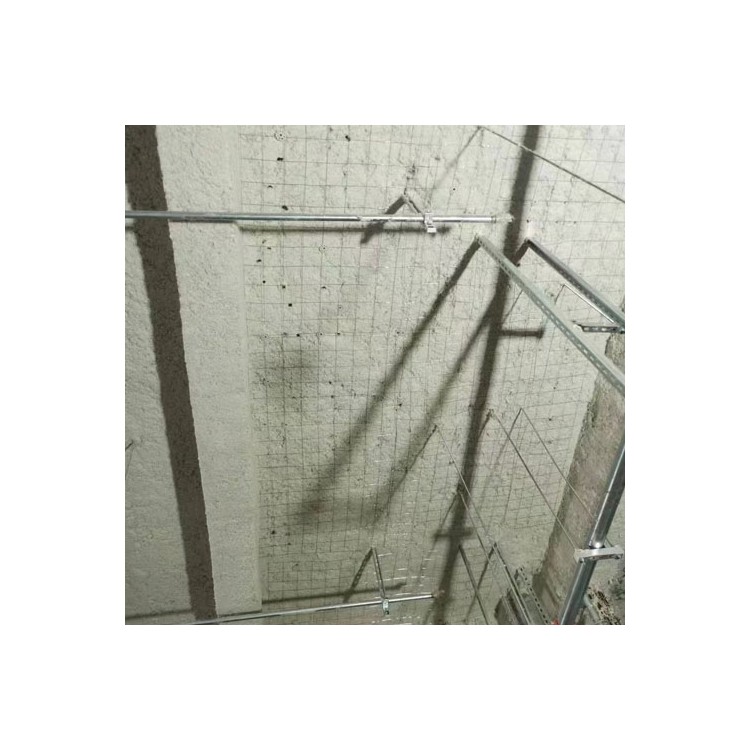


Inorganic fiber spray cotton typically refers to an insulating material made from glass fiber, ceramic fiber, or asbestos through special processes. These materials inherently possess certain UV-resistant properties; however, in practical applications, the surface coating of the spray cotton and the influence of the external environment must also be taken into account.
Generally, the ultraviolet resistance of inorganic fiber spray cotton can be considered from the following aspects:
Surface Coating: Select surface coatings with excellent UV resistance, such as weather-resistant organic coatings or special inorganic coatings, to enhance the UV resistance of the sprayed cotton.
Anti-aging Additives: During the preparation of spray cotton, antioxidants and UV absorbers can be added to enhance the material's UV resistance.
External Environmental Protection: In practical application, the lifespan of spray foam materials can be extended by protecting them through shading and avoiding prolonged exposure to ultraviolet rays.
It's important to note that the UV resistance of inorganic fiber spray cotton needs to be evaluated and tested based on the specific material and application environment. In actual use, it is recommended to assess the UV resistance of the spray cotton according to relevant standards and regulations, and take appropriate protective measures to ensure its long-term stable performance.
