


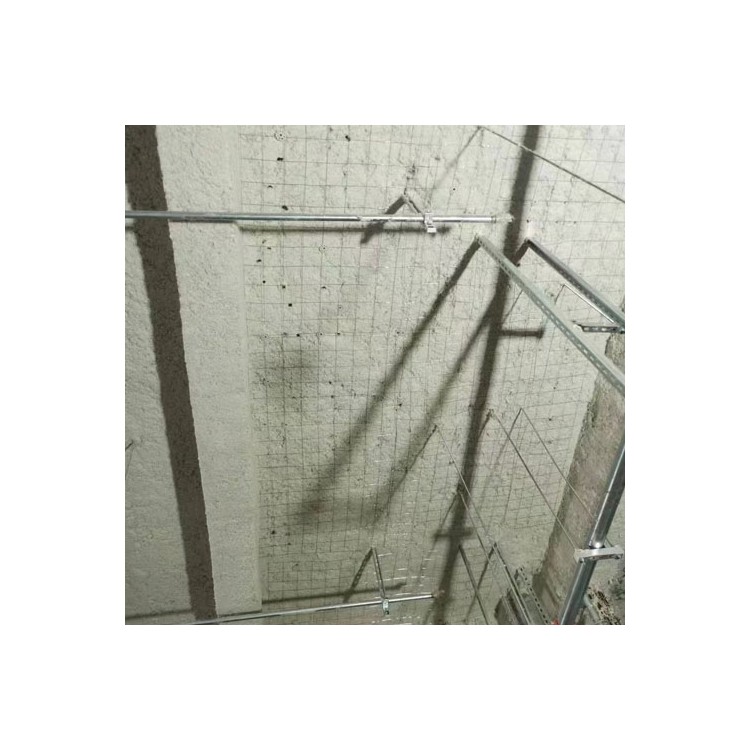


High-Temperature Performance of Inorganic Fiber Sprayed Cotton
Inorganic fiber spray cotton typically boasts excellent high-temperature properties, thanks to its primary components, which are usually glass fiber, ceramic fiber, or asbestos, among other inorganic materials. These materials exhibit good resistance to high temperatures and generally maintain stable physical and chemical properties in high-temperature environments.
The high-temperature performance of inorganic fiber spray cotton can be reflected in the following aspects:
Thermal Resistance: Typically, inorganic fiber spray cotton can withstand temperatures of several hundred degrees Celsius, even higher, which enables it to maintain structural stability in high-temperature environments, being resistant to softening, melting, or burning.
Thermal Insulation: Inorganic fiber spray cotton, commonly used in thermal insulation materials, boasts excellent heat-insulating properties. It effectively prevents heat conduction in high-temperature environments, serving as both thermal insulation and heat preservation.
Thermal Shock Resistance: In situations of rapid temperature increase and decrease, inorganic fiber spray cotton generally exhibits good thermal shock resistance, making it less prone to thermal shock cracks or damage.
It's important to note that while inorganic fiber spray cotton boasts excellent high-temperature properties, it still requires assessment based on specific working temperatures, environmental conditions, and stress levels in practical applications to ensure stable and reliable operation. Additionally, for inorganic fiber spray cotton containing asbestos, it's crucial to adhere to the relevant safety guidelines for use and handling.
