
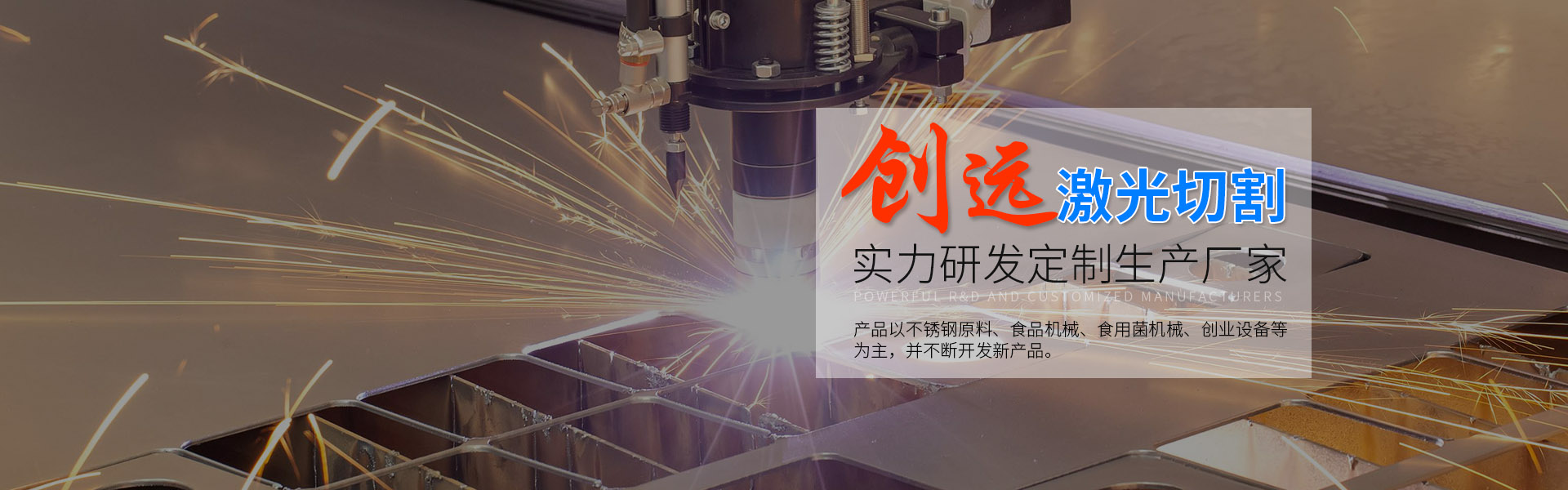

Laser cutting is a common process these days. When cutting carbon steel plates, issues may arise, such as the appearance of dark edges. What causes these dark edges?
The fundamental cause of black edges produced by laser cutting carbon steel is the heat output during the laser cutting process. Metals inherently have good thermal conductivity. The plate cools slowly; however, due to the varying physical properties such as metal type and density, in the small hole processing of laser-cutting carbon steel, the outer side of the hole can cool sufficiently, but the residual internal part can expand due to heat. The limited space prevents the heat from dissipating promptly, leading to caking and subsequently black edges or slag formation. Additionally, during the laser cutting of thick carbon steel plates, due to the accumulation of metal melt caused by drilling and the heat buildup on the material surface, the auxiliary airflow becomes chaotic, and excessive heat input occurs. This is particularly pronounced during certain time periods, resulting in black edges.
Solution
In traditional carbon steel cutting methods assisted by oxygen, the key to solving the black edge issue lies in effectively inhibiting the generation of heat during oxidation reactions. In this case, auxiliary oxygen can be used during piercing, followed by switching to auxiliary air or nitrogen to complete the cutting process. This method can process small holes with a thickness one-sixth of the plate. During laser cutting of carbon steel, a pulse cutting condition with high peak values and low-frequency output power can reduce heat output characteristics, benefiting the optimization of cutting conditions. The cutting conditions can be set to a single-pulse laser beam with high energy intensity and low-frequency specifications, which will effectively reduce the accumulation of molten metal during laser piercing, thereby effectively inhibiting heat output and reducing the occurrence of black edges.
Here's the translation for the provided company news content:
Above is the explanation and solutions shared today by the stainless steel plate manufacturer regarding the cause of black edges in laser cutting.
News Center Co., Ltd.
