
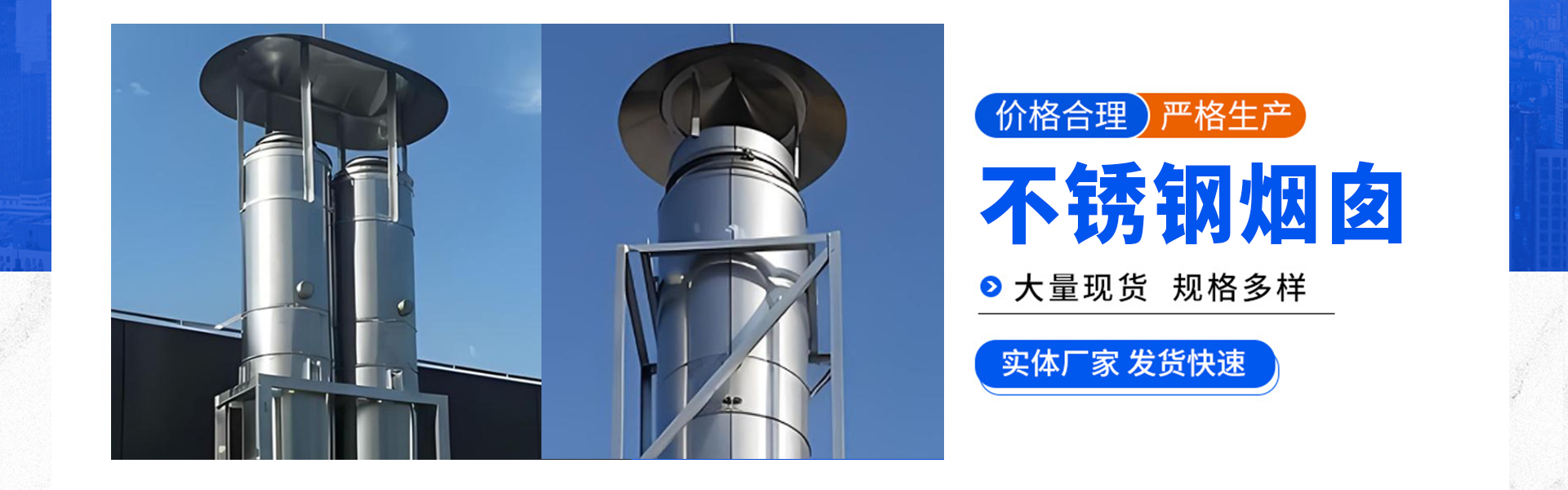
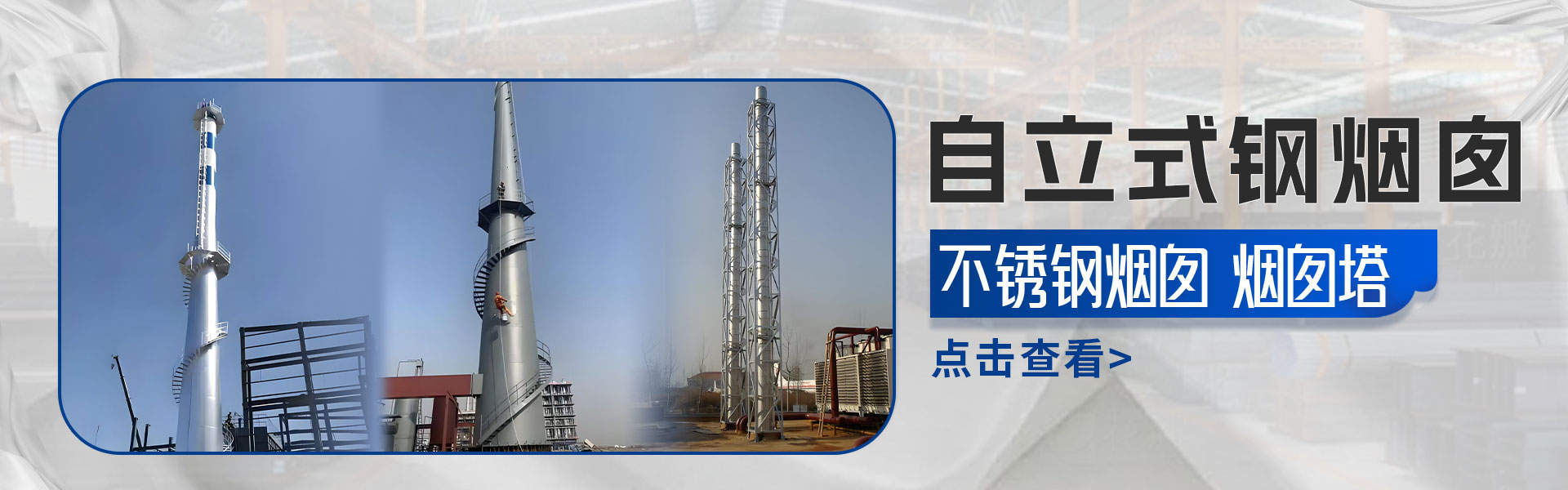
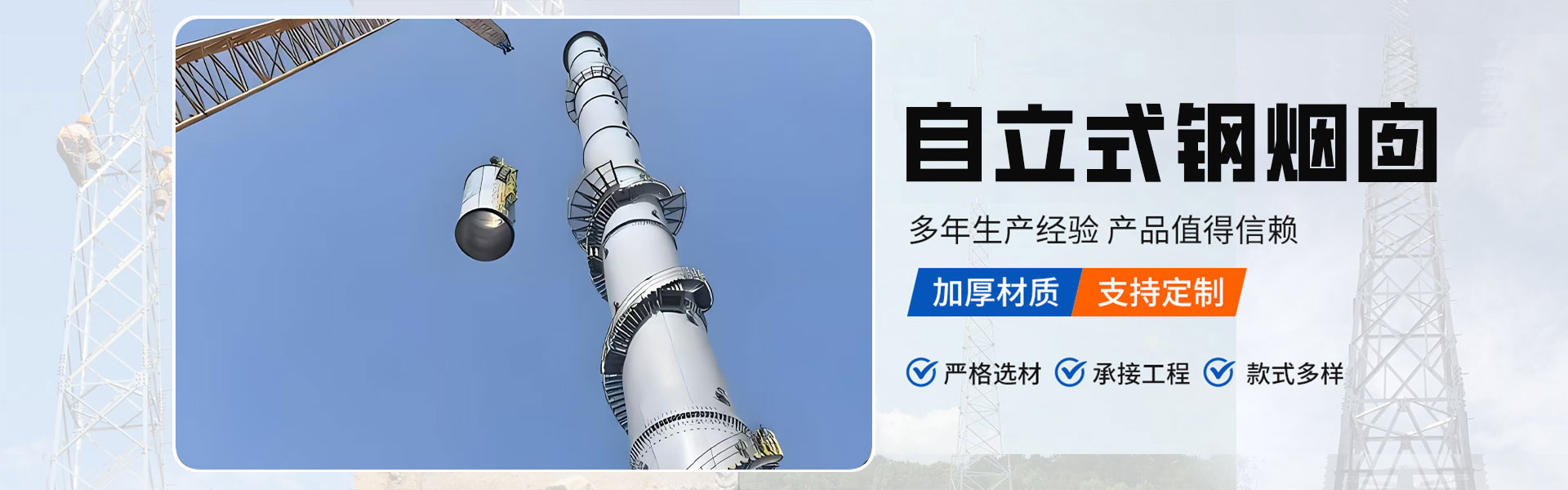




A freestanding steel chimney is a flue that is anchored directly to its foundation without the use of supports such as towers or cables, secured in place via a bottom flange. It boasts the following product characteristics:
Performance Advantages
Secure and reliableExcellent high-temperature resistance, capable of withstanding high-temperature flue gases emitted by equipment such as boilers and power generation units; boasts superior corrosion resistance, utilizing corrosion-resistant materials like stainless steel and employing anti-corrosion techniques to handle flue gases containing sulfur, chlorine, and other corrosive elements, thereby extending service life; excellent thermal insulation, filled with materials like aluminum silicate or incorporating air cavities to minimize heat loss and reduce thermal损耗, preventing excessive outer wall temperatures that could lead to danger.
Excellent seal integrityThe processing and installation techniques ensure excellent airtightness, effectively preventing exhaust emissions and avoiding environmental pollution and safety accidents, ensuring that exhaust gases are discharged along the designated pathways.
Structural and Material Characteristics
Structurally soundThe design is scientific, with a stable bracket assembly capable of withstanding its own weight, wind loads, seismic loads, and more. The single-tube structure is simple and suitable for heights up to 50 meters, with low smoke corrosion and low temperatures. The sleeve-type design adds a corrosion-resistant inner tube inside the single tube, with the outer tube bearing the structural loads and the inner tube responsible for corrosion protection. The two tubes deform in coordination, preventing internal structural stress and occupying less space.
High-quality materialsAvailable materials include stainless steel (such as SUS304, SUS316), galvanized steel, and Q355B steel. Stainless steel offers strong corrosion resistance; galvanized steel is cost-effective with some protective properties; Q355B steel boasts high strength, meeting various engineering requirements for corrosion resistance, strength, and cost. The inner tube can be selected based on flue gas temperature and corrosion conditions, including carbon steel, weather-resistant steel, acid-resistant steel, stainless steel, or fiberglass. The outer tube is commonly made of ordinary carbon structural steel or weather-resistant steel.
Construction and Installation Advantages
Construction convenienceFactory pre-fabrication ensures quality control, allowing for direct assembly on-site without complex high-altitude welding or other operations. This reduces on-site construction difficulty, intensity, and time, minimizes environmental impact on the surrounding area, and is less susceptible to interference from external factors such as weather.
Easy installationComponents are easily connected using standard pipe fittings like V-shaped clamps, eliminating the need for specialized installation equipment and excessive labor, thereby enhancing installation efficiency.
Aesthetic and Longevity Advantages
Aesthetically pleasingThe design is sleek and bright with clean, flowing lines that complement modern architecture well, making it an ideal decorative element for building facades.
Long service lifeUnder normal use and maintenance, the expected lifespan is up to 50 years, reducing the frequency of replacements and post-maintenance costs.
Economic Advantages
Lower costCompared to some traditional chimneys (such as brick chimneys), they have a lower cost of production and installation, are lighter in weight, and have lower requirements for the foundation and building structure, indirectly reducing construction costs; and less in maintenance fees.
