
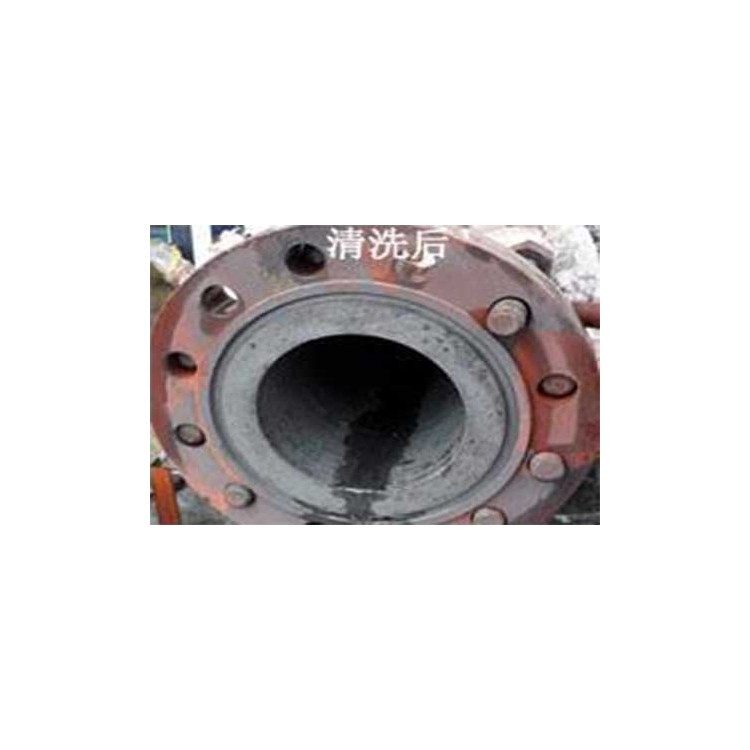
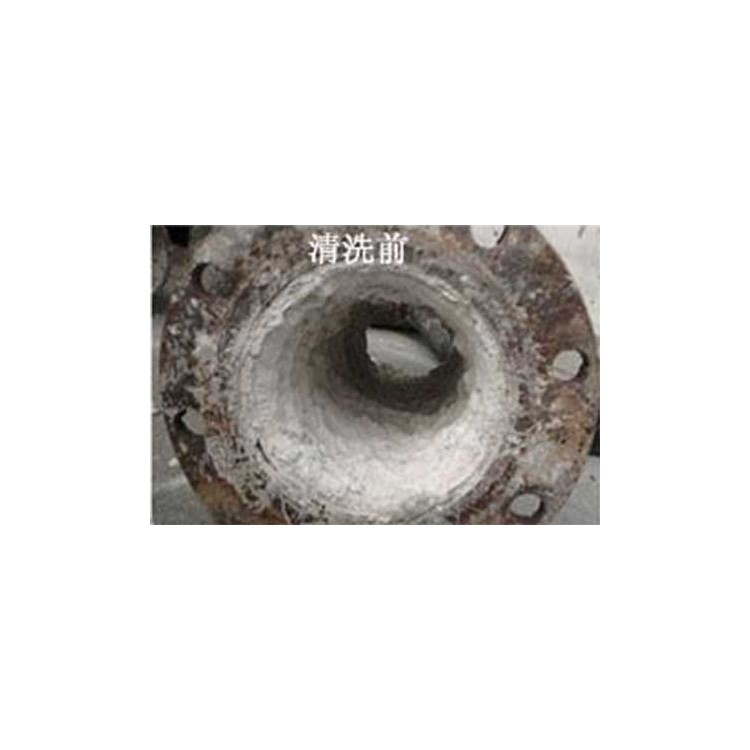
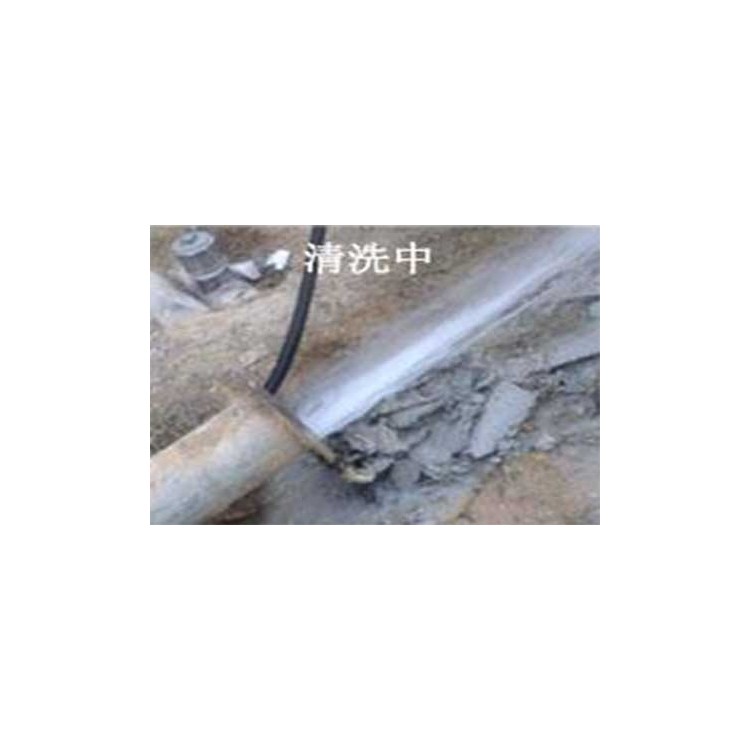
In the chemical industry, flushing typically refers to water flushing. Before equipment and pipelines that operate with a liquid medium are put into service, it is generally necessary to flush them with clean water to remove debris such as welding slag from the pipes.
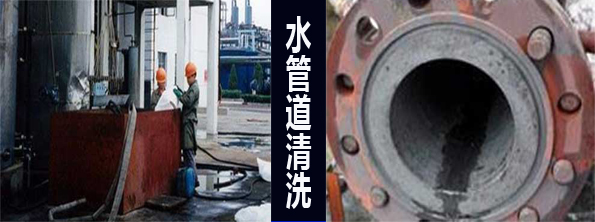
Washing requirements and qualification standards
Flushing Requirement: Pipe flushing flow rate must not be less than 1.5 m/s.
2. Quality Standards
2.1 Drainage outlet turbidity < 3 NT
2.2 Until the water quality index passes the tests by the relevant authorities.
Two, the conditions for flushing
2.1. Installation of circulating water system equipment, pipelines, and underground networks completed; water pressure test passed.
2.2. The underground pipeline of the recirculating water system has been manually rust-removed and cleaned.
2.3. Sufficient and available water source, on standby
2.4. The rainwater and drainage networks, as well as the production and domestic wastewater networks, have been completed. Prior to flushing, the accident fire pool and the wastewater station's effluent pond must be emptied to ensure fresh water for flushing.
2.5 Cooling tower sump and intake pool are ready for water intake
2.6 Cooling towers are accepted and water conditions are met.
2.7 There are no debris in the cooling tower.
2.8. The circulating pump has passed the single-unit trial run, and the lighting of the equipment is complete. The circulating water side filtration system has met the startup conditions.
2.9. All instruments have been debugged and qualified. The instrument components and equipment to be removed from the pipeline should be dismantled and installed during the transition period.
2.10. The flushing pipeline is connected, or all temporary drainage pipelines are well-connected, and the on-site drainage facilities are complete.
2.11. Established a wood washing communication network, which is smooth and effective.

