

Chemical Cleaning Precautions
1. Select the appropriate high-efficiency corrosion inhibitor based on the pickling solution.
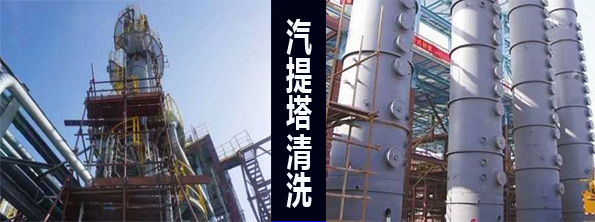
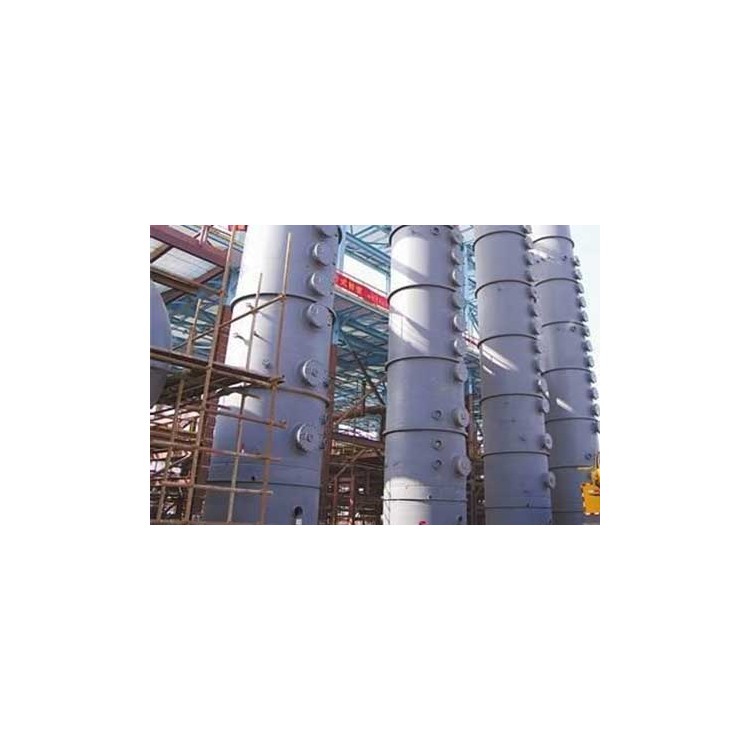
2. Control the cleaning temperature; the chemical cleaning temperature directly affects the cleaning speed and the degree of corrosion to the equipment. Improper temperature control may lead to the failure of corrosion inhibitors and cause corrosion. The chemical cleaning temperature of the nitrogen stripping tower is controlled between 98~100°C.
Control the flow rate
During the cleaning cycle, flow rate affects corrosion as well; higher flow rates increase corrosion; too low, and the cleaning fluid cannot effectively remove the debris stripped during cleaning. Typically, the flow rate is controlled around 0.4 m/s. The duration of the cleaning cycle is generally determined based on pre-cleaning dissolution tests and past cleaning experience. During the cleaning process, it's crucial to measure the acid concentration, iron ion concentration, and pH value, among others, at regular intervals, such as every half-hour. Timely control of the cleaning endpoint is essential to avoid unnecessary acid retention in the system, which can lead to corrosion. Analysis should be timely and accurate throughout the chemical cleaning process, and records must be correct and complete. The water rinse after alkali and acid washing should be conducted promptly to expel waste fluids from the system as soon as possible.
5 Concentration Control Remaining
Concentration control is appropriate; when the cleaning solution's concentration drops significantly, it is advisable to add acid to ensure effective cleaning.
6. Waste Liquid Treatment
Waste liquid discharged from chemical cleaning must be treated to meet the specified effluent standards.