

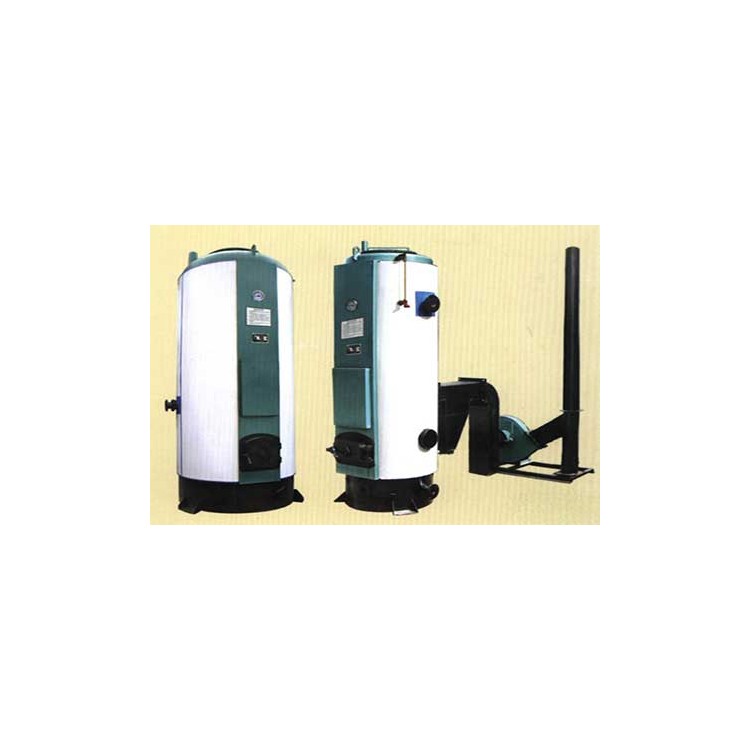

During the cold winter, heating boilers are undoubtedly widely used. With the rapid development of energy conservation and environmental protection, gas boilers for heating have become trendy. The usage of gas heating boilers is gradually increasing. This article mainly introduces the cleaning methods for gas heating boilers.
During the operation of gas heating boilers, after long-term use, issues such as scale or rust are inevitable. Due to the formation of scale, the boiler's heat transfer efficiency will degrade, thereby reducing the boiler's effectiveness. Consequently, the boiler may not reach the designated evaporation capacity, leading to poorer heat transfer, increased fuel consumption, higher operating costs, and a shorter boiler lifespan. Therefore, it is necessary to...
Cleaning of Gas Heating Boilers:
1. Inspect the import and export of gas heating boilers and adhere to the principle of low in and high out. Use cleaning pumps, cleaning tank hoses, etc., to form a loop, then add clean water to the cleaning tank and start the pump to circulate it into the tank.
2. When the gas heating boiler circuit is in normal operation, add the cleaning agent to the cleaning tank, then circulate and test the cleaning solution concentration. If the concentration decreases, add 1-2% more cleaning agent to the system, etc.
3. Clean the discharge of residue with clear water, ensuring it is thoroughly rinsed and neutralized.
4. Add a passivator to the system and discharge after 6-12 hours of circulation.
Chemical Cleaning
Hydrostatic Leak Test: The hydrostatic leak test involves filling the system with water using a pump to check for any leaks. If the system is intact, the next steps can be prepared.
Chemical Cleaning: Mix the cleaning agent with water to achieve the usage concentration (regulated below 10%), then circulate the solution through the system using a pump, continuously draining the drain to prevent airlock. Continuously replenish the cleaning solution until the liquid discharged from the outlet becomes acidic. Then, continue to circulate with the pump, with the cleaning duration being 10-20 hours (adjust the reaction time as needed based on the reaction situation).
Water Wash: This water flush is to thoroughly rinse out any remaining cleaning fluid from the system, preventing localized corrosion. Continue until the pH test strip indicates the outlet water is neutral.
Passivation: The passivation reaction is to form a passivation film on the activated metal surface after cleaning, to prevent oxidation reactions from occurring upon contact with oxygen or free oxygen in water. Mix the passivator with water to reach the usage concentration (3% concentration), then circulate it into the system using a pump. Once the passivator is fully in the system, start the circulation, with a reaction time of 10 to 24 hours. Afterward, drain the passivation solution and prepare for water rinsing.
Water冲洗: This water flushing is to thoroughly rinse off any remaining passivation solution, allowing the decomposed and peeled dirt in the system to be washed out with the water, and to test the pH value until it reaches neutral, which is the endpoint of cleaning.


