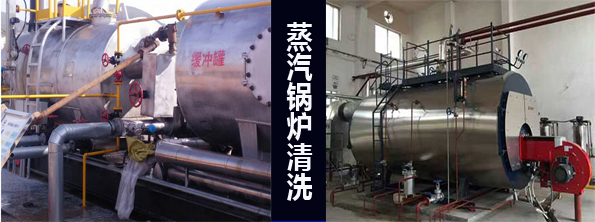
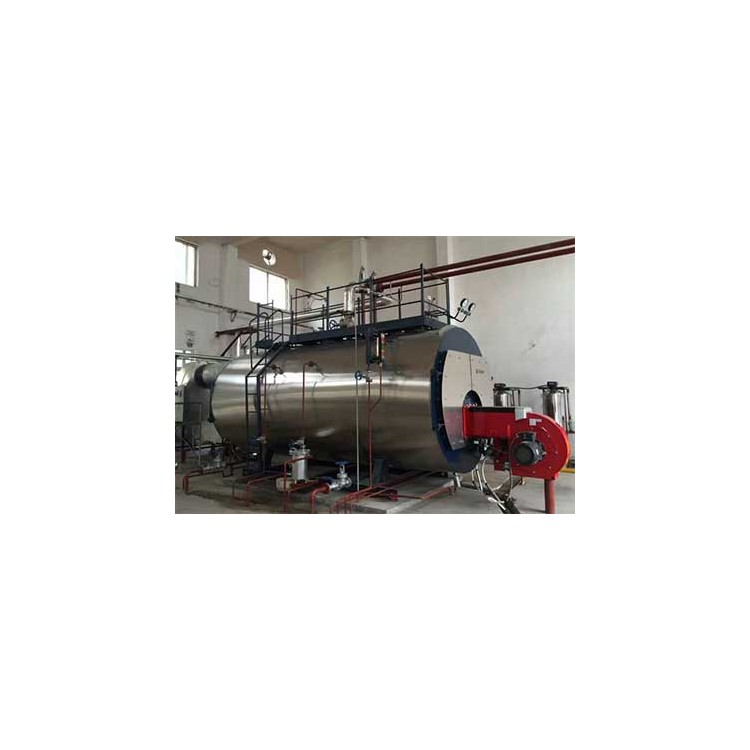

Steam boilers are mechanical devices that use the heat energy from fuel or other energy sources to heat water into steam. Over time, steam boilers inevitably develop scale and corrosion issues. The primary cause of scale formation in boilers is the presence of hardness components in the feed water. After continuous evaporation and concentration at high temperatures and pressures, a series of physical and chemical reactions occur inside the boiler, leading to the formation of hard, dense scale on the heating surfaces. Scale is the "root of all evils" in boilers and is a major cause of boiler accidents. Therefore, descaling is a common cleaning task for steam boilers.
Steam boilers are mechanical devices that use the heat energy from fuel or other energy sources to heat water into steam. Over time, steam boilers inevitably experience issues such as scale and corrosion. The primary cause of scale formation in boilers is the presence of hardness components in the feed water. After continuous evaporation and concentration at high temperatures and pressures, a series of physical and chemical reactions occur inside the boiler, resulting in the formation of hard, dense scale on the heating surfaces. Scale is the "root of all evil" in boilers and is a major cause of boiler accidents. Therefore, descaling is a common cleaning task for steam boilers.
There are many types of limescale, with the most common being six types: (1) Carbonate scale (2) Sulfate scale (3) Silicate scale (4) Iron scale (5) Mud scale (6) Mixed scale
Chemical Scale Cleaning: The cleaning of boilers involves the removal of scale from the boiler's convection tubes, superheater tubes, air heaters, and water-cooled wall tubes. By adding a chemical cleaning agent, the scale within the system is dissolved and dispersed, restoring the surfaces to a clean metallic state.
Prior to cleaning, the manufacturer shall assist us in conducting a thorough inspection of the internal and external components of the boiler that has been shut down. Should any issues arise, such as leaks, scale blockages in the water pipes (inspecting each pipe individually within the boiler drum for blockages), cracks or perforations beneath the scale, or deformation of the furnace tubes, effective measures should be taken to pre-treat these issues and detailed records should be maintained.
2. Before cleaning, it's necessary to determine the type and total amount of scale, measure the thickness of scale layers at different locations to calculate the total scale volume and dosage of chemicals. During sampling, inspect the corrosion conditions under the scale at various parts of the furnace and record the degree of corrosion in the technical files.
3. General Cleaning Steps: Water Rinse (Leak Check) -- Acid Wash -- Alkali Wash -- Water Rinse -- Rinse -- Passivation
Of course, in addition to the chemical scale treatment of steam boilers, we must also pay attention to their maintenance during regular use. This includes regular cleaning of scale. For steam boilers that have been in use for a long time, it's necessary to perform shutdown maintenance. Generally, for shutdowns of less than a month, "wet maintenance" is used, which means filling the boiler with water to prevent oxygen from entering. This is a common and simple method; for shutdowns of more than a month, "dry maintenance" is employed, involving draining the water from the boiler, sealing the doors and openings, and then placing desiccants in the drum and headers. Lime can be used as a substitute for desiccants to extend the lifespan of the steam boiler.