
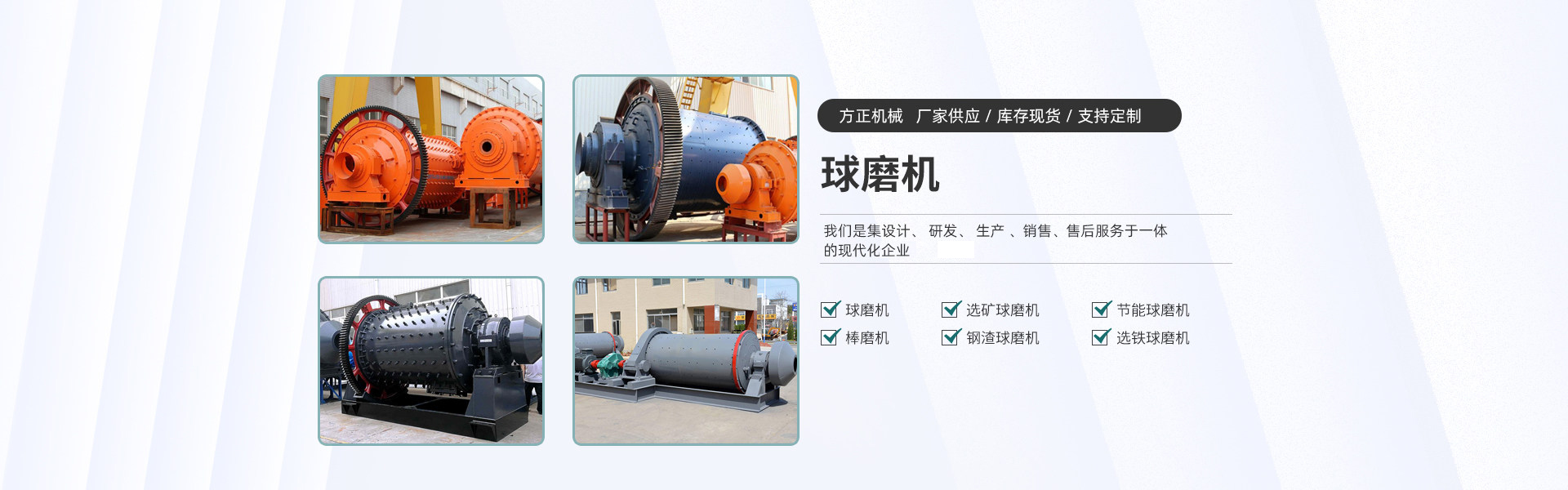

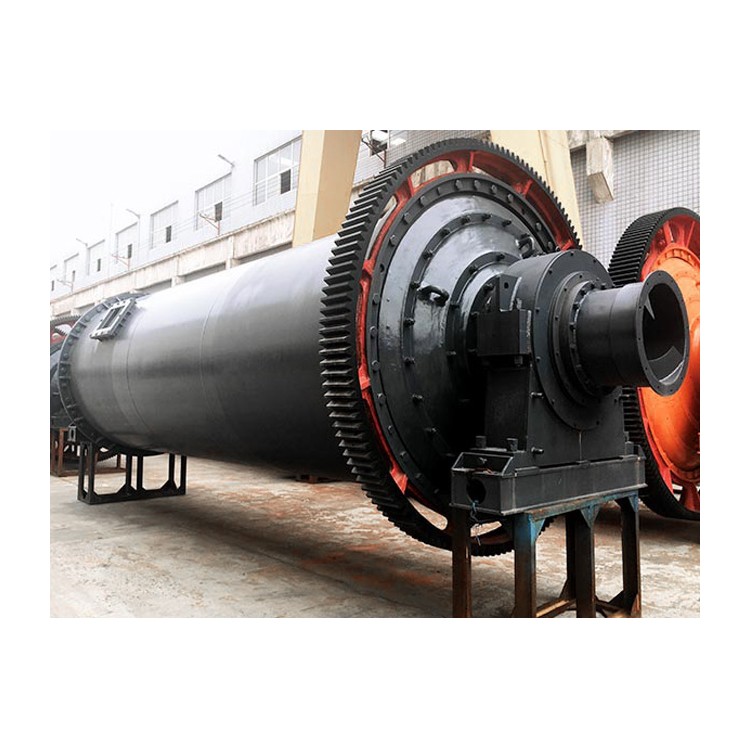
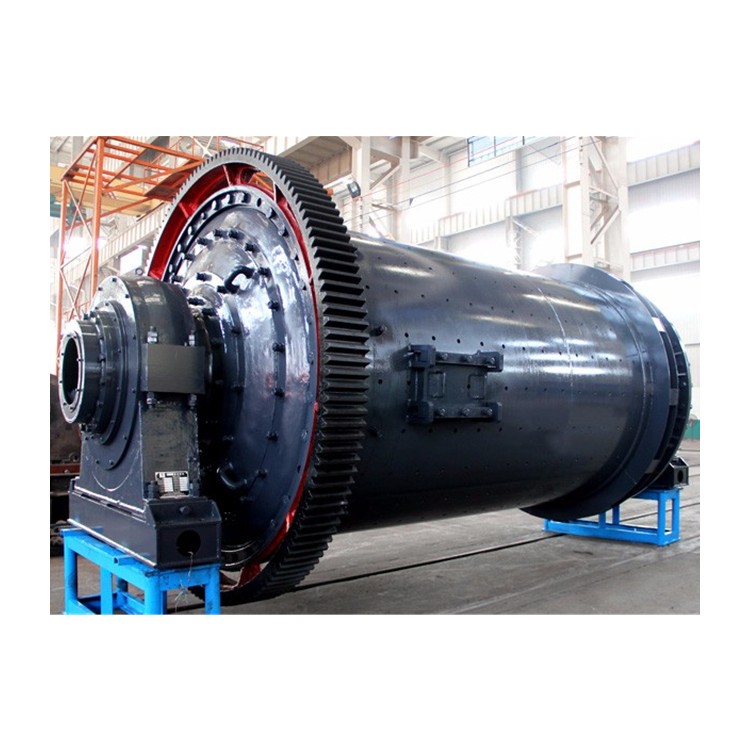

The rod mill sand making machine is an effective ore grinding and sand production equipment currently on the market, with a vast application prospect in industries such as cement machinery, refractory materials, construction, and building materials.
With technological advancements, the demand for rod mill sand-making machines is on the rise. More and more manufacturers are increasing their research and development efforts in this area. However, market changes are frequent, and there are very few rod mill sand-making machines that combine high quality. Fang Zheng Machinery's rod mill sand-making machine is the ideal choice for consumers. Below, we briefly describe the structure, performance, and pricing of our rod mill sand-making machines.
Principle of work for the rod mill sand making machine
The rod mill sand making machine is mainly composed of several parts, including the feeding section, discharge section, rotating section, and transmission section. When the equipment starts working, the motor drives the drum rotation through a reducer and peripheral large gears, or directly through peripheral large gears by a low-speed synchronous motor. Inside the drum, there are appropriate grinding media - steel rods. Under the action of centrifugal force and friction, the grinding media are lifted to a certain height and then fall in a throwing or dripping manner. The material to be ground enters the drum continuously through the feeding opening and is crushed by the moving grinding media. The product is then discharged from the machine through the force of overflow and continuous feeding, ready for the next process.
Rod mill sand making machine performance characteristics
1. High Quality: Crafted with cutting-edge American manufacturing techniques, utilizing high-tensile and wear-resistant chrome alloy for raw materials, ensuring durability, reliability, and an extended lifespan.
2.: The motor configuration is reasonable, the technical parameters are scientifically designed, and the grinding efficiency of materials is extremely high, with a yield three times that of conventional crushing equipment.
3. Low Cost: The grinding process boasts ultra-low energy consumption, and it does not cause wear on the various components, resulting in low maintenance costs and an overall super low operation cost.
4. Low Pollution: Semi-sealed design with dust prevention devices, ensuring no environmental pollution and a greener, more eco-friendly option.

