



As technology continues to advance and innovate, the fiberglass industry is gradually reaching new heights. Throughout this process, innovative technologies play a crucial role, providing strong support for the industry's development.
Initially, the research and application of new materials have brought more options to the fiberglass industry. Compared to traditional steel, fiberglass boasts advantages such as light weight, high strength, and corrosion resistance, meeting the needs of various fields. Furthermore, by incorporating novel materials like nanomaterials and biobased materials, the fiberglass industry can achieve enhanced performance and broader applications.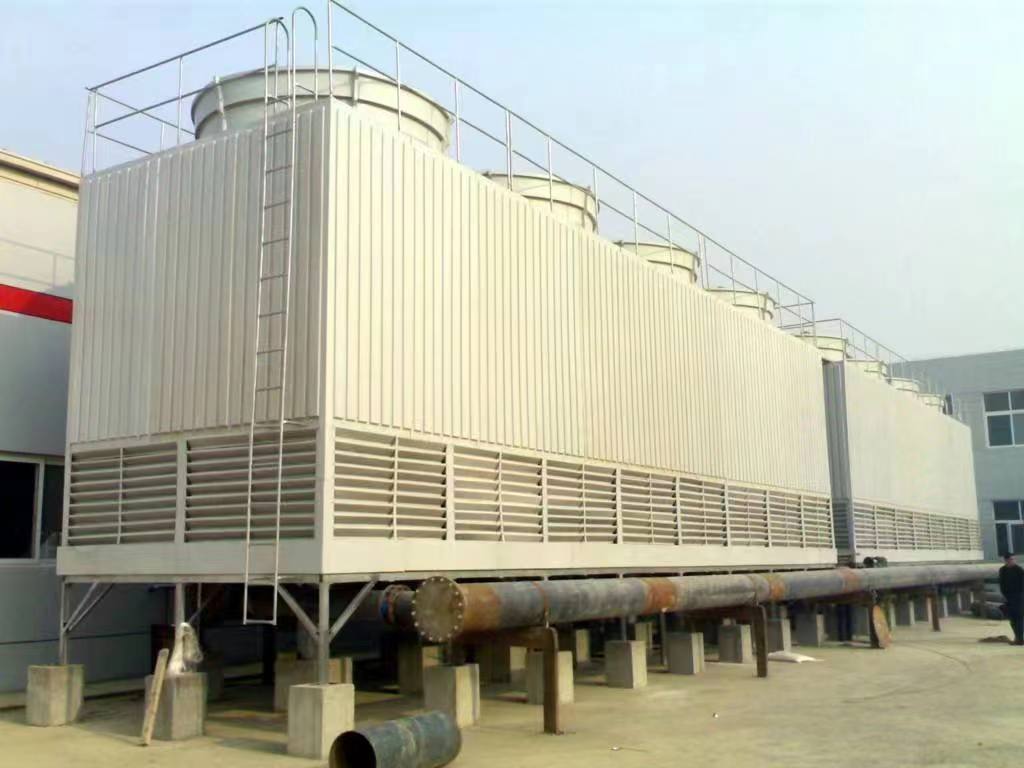
Furthermore, the application of digital and automation technologies has enhanced the production efficiency and quality in the fiberglass industry. By integrating smart manufacturing and industrial internet technologies, companies can achieve real-time monitoring and management of the production process, boost production efficiency, and reduce energy consumption. Additionally, digital technologies can assist businesses in optimizing product design, improving product quality, and catering to the personalized market demands.
Again, the innovation in environmental protection technology aids the glass fiber reinforced plastic industry in achieving sustainable development. During the production process of glass fiber reinforced plastic, a certain amount of waste gas, wastewater, and waste residue are generated. By introducing environmental protection technologies such as desulfurization, denitrification, and dust removal equipment, pollutant emissions can be effectively reduced, minimizing the impact on the environment. Additionally, the technology for recycling used glass fiber reinforced plastic products has been widely applied, further lowering resource consumption and environmental pressure.
