


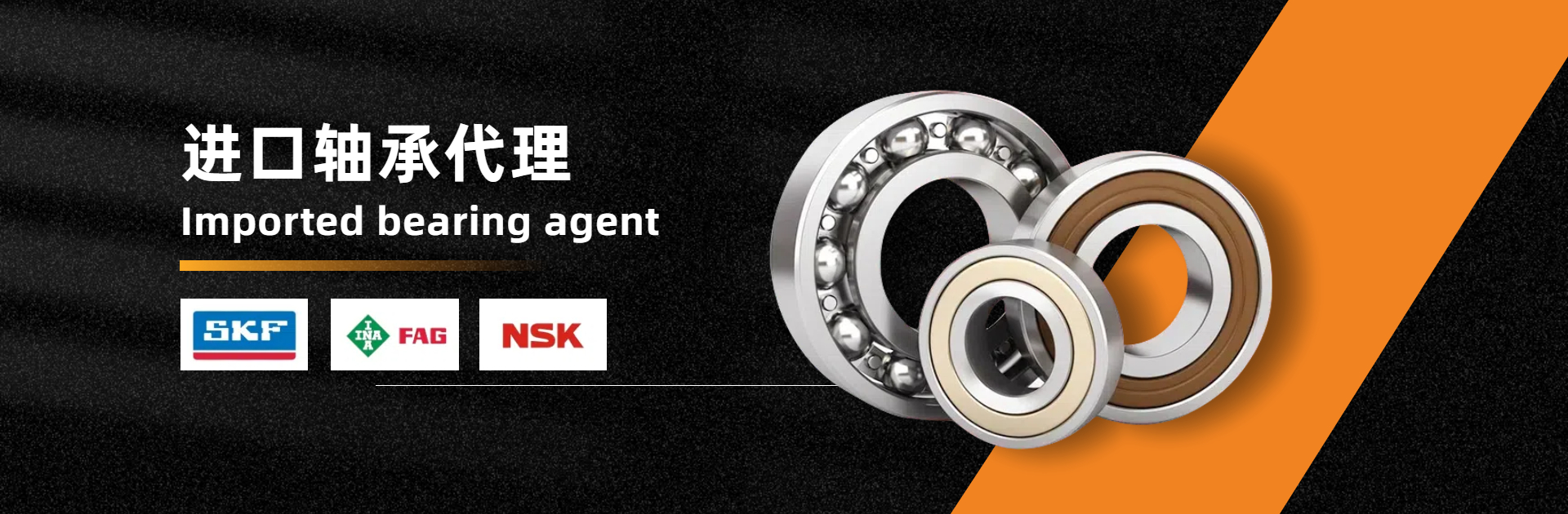

Precision cold rolling technology is a cold forming method that, under normal temperature conditions, uses extrusion to plastic deform circular rotating parts into finished products. This process allows the dimensions and shapes of the workpiece to approach the theoretical values of the finished product to the maximum extent. Its advantages include:
Precision cold rolling can significantly improve material utilization and processing efficiency. Compared to traditional turning processes, it can increase material savings by 10% to 15% or more, thereby achieving the machining of bearing bushes and reducing processing costs.
2. Enhanced Product Quality: The rolling process ensures a continuous and complete metal flow within the parts, resulting in more uniform and finer grain structure, and a denser texture, which in turn increases the strength of the parts. Additionally, the residual surface stress in the finished parts minimizes deformation after heat treatment.
3. Energy-efficient and improves working conditions. Precision rolling requires less equipment tonnage compared to forging, significantly reducing noise during processing and demonstrating clear energy-saving benefits. Compared to turning stock, it produces less noise and dust.
During the rolling process, the roller drives the workpiece to rotate, while the core roller, connected to the feeding mechanism, pushes against the support wheel to compress the workpiece, thereby achieving the rolling of the workpiece.
News Center Co., Ltd.
