
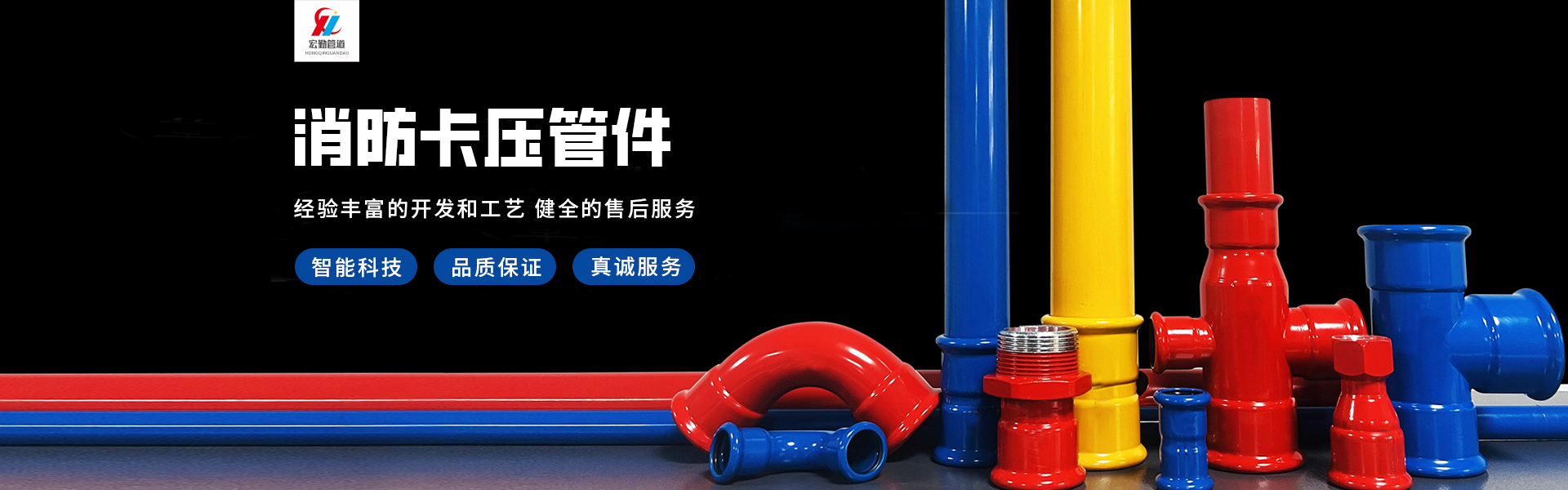
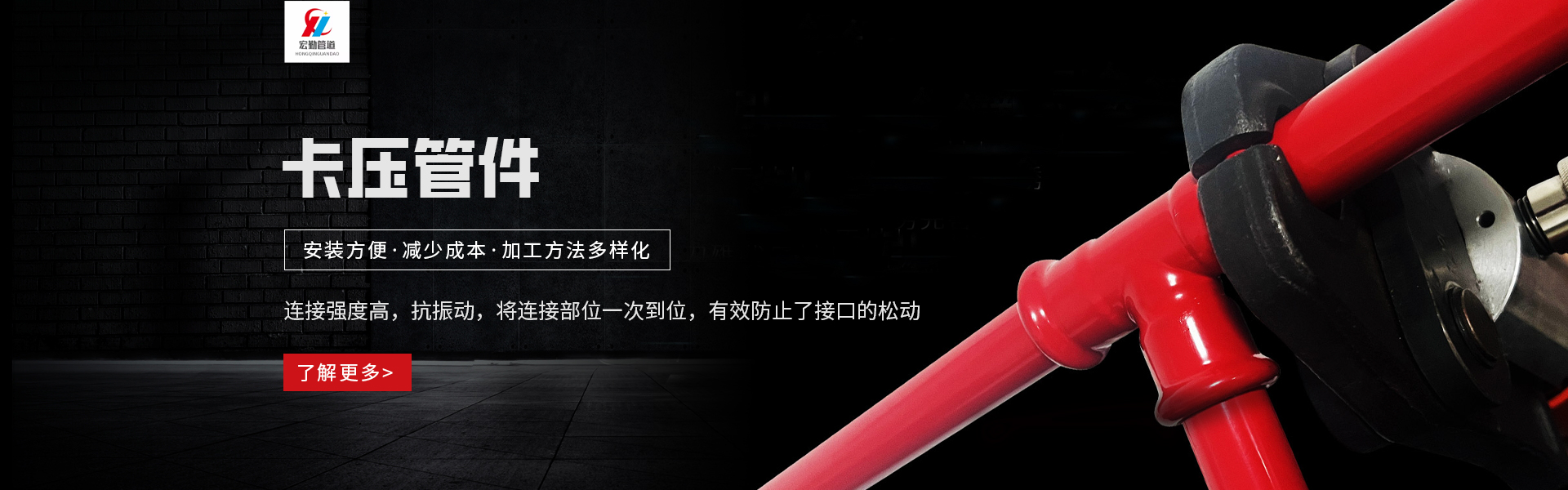


The basic difference between carbon steel clamp-type elbows and bends is that clamp-type elbows are relatively shorter than bends. Elbows have a radius of 1 to 2 times the diameter, while anything larger is called a bend.
Cold bending pipes can be formed from straight pipes using a bending machine, completed in one go without the need for secondary anti-corrosion treatment. However, elbows must be custom-made by the manufacturer, require anti-corrosion treatment, and have a longer lead time. Although elbows are more expensive than bends, their cost-effectiveness is significantly higher. It is widely known that unbonded bends are prone to damage, yet they are extensively used in projects with lower requirements due to their lower price.
Elbows require custom manufacturing for corrosion resistance and have a long lead time. Cold bending pipes can be formed from ready-made straight pipes using bending machines. The work can be completed in one go without the need for additional corrosion protection. There is an oil industry standard for the cold bending pipe construction process, and there are enterprise standards for the West-to-East Gas Pipeline project.
But elbows and弯管 can be used in open areas; it's just a matter of cost. Elbows require hot bending, while弯管 can be cold bent, making elbows more expensive. Sometimes, elbows are necessary in narrow areas, such as in stone excavation trench sections, because elbows have a smaller radius of curvature, typically 6D, whereas弯管 is 40D.
Long-term stored carbon steel compression fittings should be regularly inspected. The exposed processing surfaces should be kept clean and free from dirt. Store them neatly in a well-ventilated and dry indoor area, strictly prohibiting stacking or outdoor storage. Regularly maintain the dryness and ventilation of stainless steel elbows, keep the storage area clean and tidy, and store them according to the correct methods.
Here's a guide on how to properly install carbon steel compression elbows:
Prior to installation, carefully verify the various standards of the elbows, ensuring the pipe diameters meet the usage requirements. Eliminate defects caused during transportation, and clean the dirt from the carbon steel compression elbows. Prepare for installation and ensure everything is ready.
2. During installation, the elbow can be directly mounted on the pipeline according to the connection method, and installed at the designated location. Generally, it can be installed at any position on the pipeline, but it should be easy to access for maintenance. Note that the flow direction of the medium in the stainless steel elbow should be downward from the bottom of the ball valve, and the elbow can only be installed horizontally.
3. When installing carbon steel press-fitting elbows, attention must be paid to their sealing properties to prevent leakage issues that could affect the normal operation of the pipeline. The bolts on the gland of the elbow valve should be tightened evenly, avoiding an uneven or crooked state to prevent injury to the valve stem or the occurrence of leakage.
4. When using carbon steel press-fitting elbows with ball valves, stop valves, or gate valves, they should only be operated fully open or fully closed; they are not to be used for regulating flow to prevent erosion of the sealing surface and accelerate wear. Both gate valves and threaded stop valves have reverse-sealing devices. By turning the handwheel to the top position and tightening it, leakage from the packing area can be prevented.
5. Use the handwheel for elbow applications; do not use a lever or other tools to avoid damaging the valve components. Rotate the handwheel clockwise to close and counterclockwise to open.
