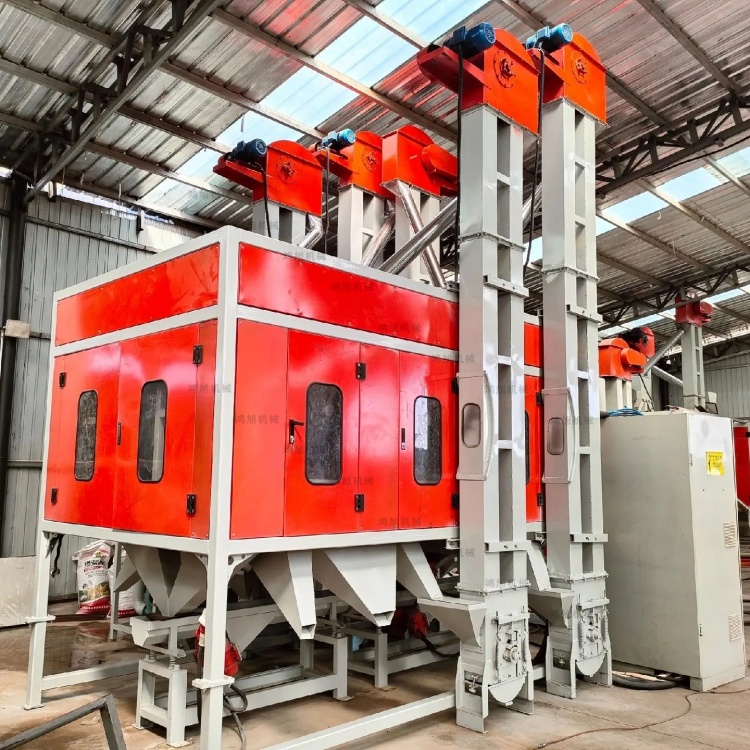






An electrostatic separator is a device that separates various materials using static electricity, widely used in fields such as ore, waste, plastics, metals, and others. Its basic principle is to separate different materials based on their varying conductivity and polarity in an electric field.
Firstly, the electrostatic separator demonstrates remarkable separation effects between metallic and non-metallic materials. In the ore processing process, it is particularly suitable for separating ores containing metallic minerals, such as copper, lead, and zinc ores, effectively separating metallic minerals from impurities through their electrostatic properties.
Next, in the field of waste recycling, electrostatic separators can effectively separate various plastic materials, such as polyethylene (PE), polypropylene (PP), and polyvinyl chloride (PVC). After electrostatic treatment in the separators, these plastics can be separated based on their differences in electrical properties, thereby improving the purity of the recycled materials.
In addition, the electrostatic separator is also suitable for non-metallic minerals such as quartz, feldspar, and mica, and can achieve separation of different minerals by adjusting the electrical field parameters. This sorting method is not only efficient but also maintains the original characteristics of the materials, reducing secondary pollution.