
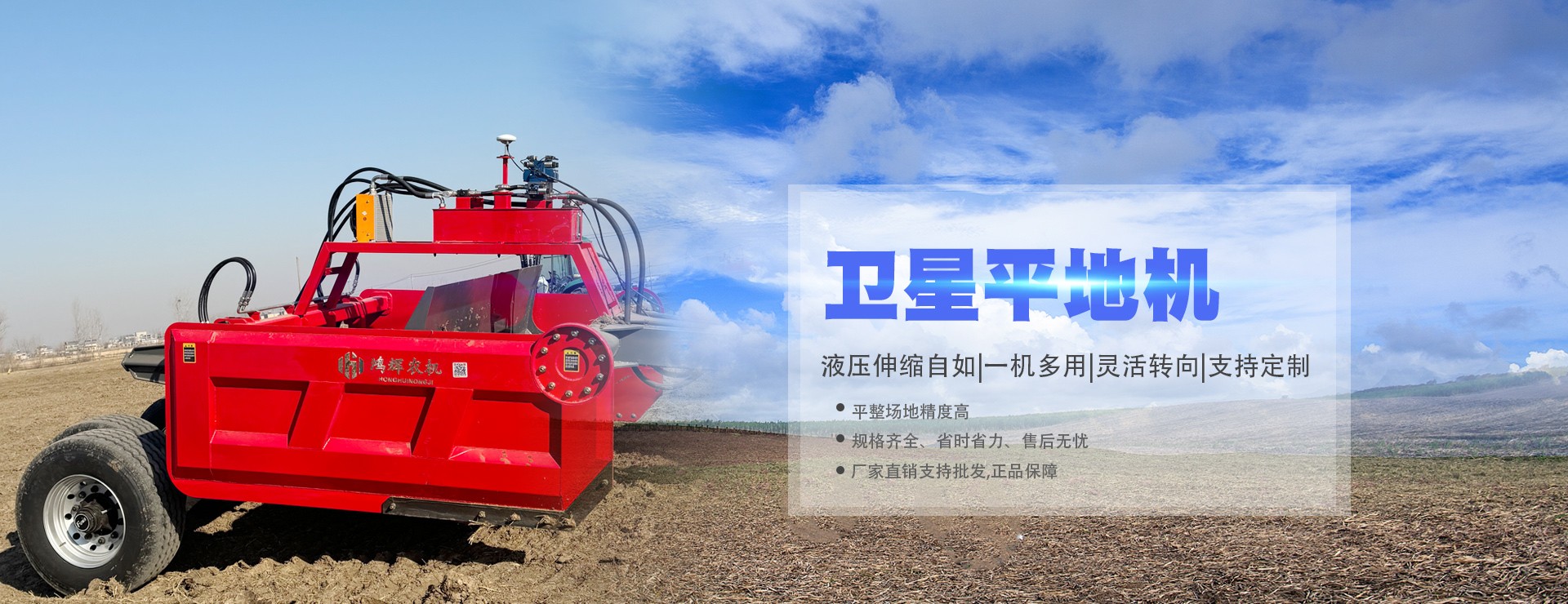





The operation of satellite levelers primarily includes pre-operation preparation, parameter calibration, and real-time control, which can be summarized into the following steps:
Preparation before Operation:
Inspect equipment status (energy, component functionality) and prepare tools and spare parts.1
Based on soil conditions (slope, humidity, etc.), pre-set basic parameters are established, such as bucket height and movement speed.
Satellite Positioning Calibration
Ensure stable satellite signal strength (calibrate the receiver if using the BeiDou system), and avoid installation misalignment.12
For double-angled terrain, it may be necessary to set up multiple benchmark points (A/B/C) for slope measurements.2
Real-time operational control:
Post-launch, adjust parameters and combine with tablet software for real-time monitoring of height data, achieving precise leveling or grading, trenching, and other functions.3
Control the movement speed and bucket angle to avoid collisions and ensure soil processing efficiency.
Cautionary Notes:
Avoid operating in extreme humidity or dry conditions to prevent equipment damage [1].
Ensure safety around the working environment and perform regular maintenance to extend the lifespan of equipment.
For more in-depth technical details, refer to the BeiDou Satellite Flatland.Please provide the Chinese content to be translated.Dual-slope calibration method or excavator software parameters settingPlaceOptimization Tutorial
