


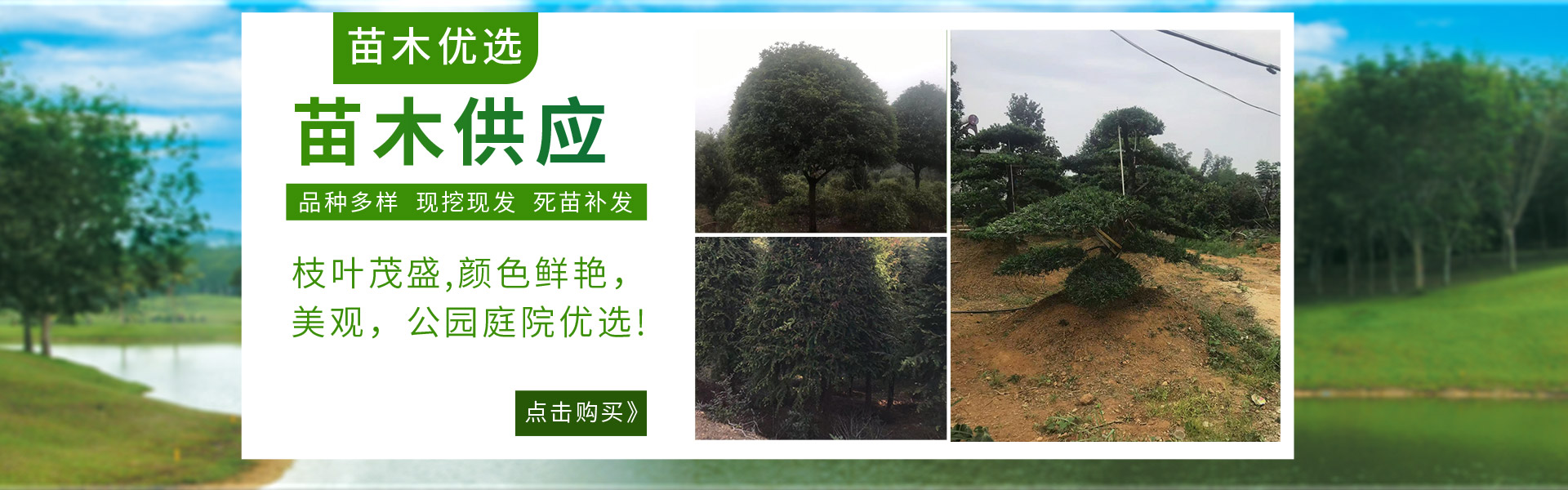


Cypress tree nurturing and management:
Afforestation with seedlings requires weeding and soil cultivation once a year, ideally during the dormant period of trees in autumn and winter, with a depth of 20-30 cm. This not only promotes soil weathering and eliminates pests and diseases but also, as the trees are dormant, any damage to the roots will not significantly affect their growth. Additionally, combining weeding with fertilization enhances the effect; at this time, base fertilization should be applied to retain water, maintain temperature, and promote root development, creating conditions for the trees' growth the following year. Furthermore, intercropping with low-growing crops can be used for nurturing management, as these crops can loosen the soil around the trees, increase fertility, and, especially during hot weather, prevent the evaporation of ground moisture.
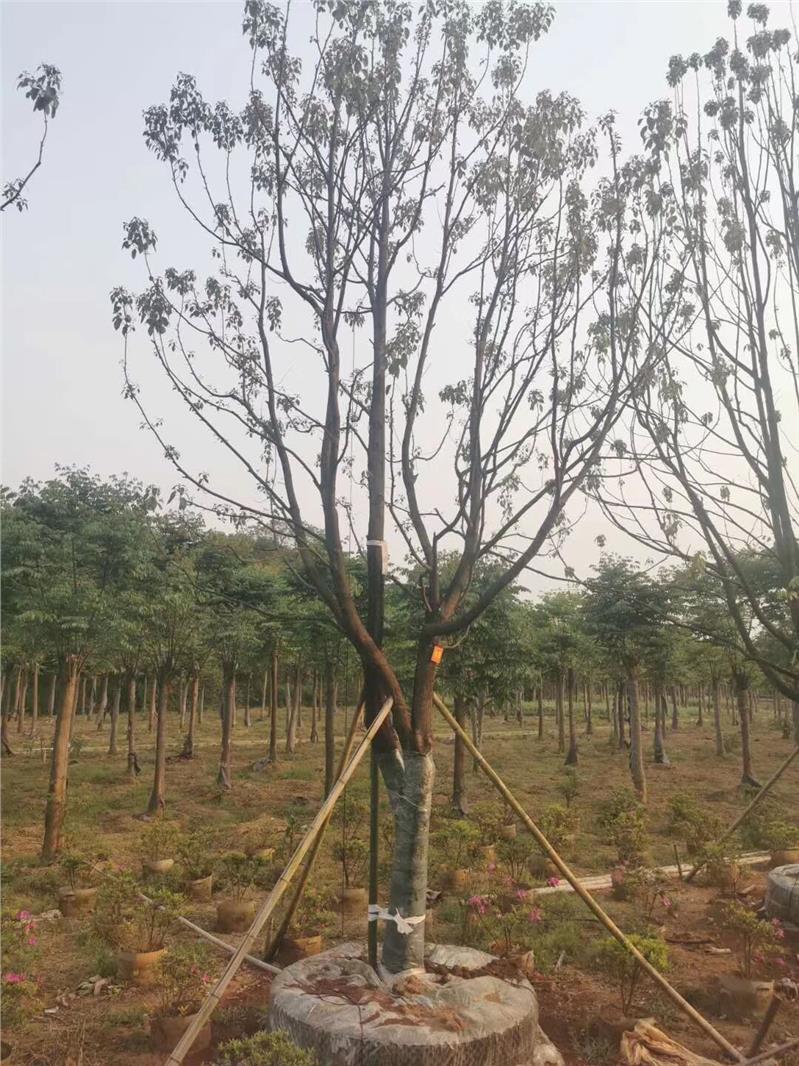
Morphological Characteristics:
1. Evergreen large tree, up to 30 meters tall, with a trunk diameter of up to 3 meters and a broadly ovate crown; branches, leaves, and wood all have a scent; the bark is yellow-brown with irregular longitudinal cracks. Terminal bud broadly ovate or spherical, scales broadly ovate or nearly round, slightly covered with silky hair on the outside. Branches are cylindrical, light brown. Leaves are alternate, ovate-elliptic, 6-12 cm long, 2.5-5.5 cm wide, with an acute apex, broadly cuneate to nearly round at the base, entire margin, soft cartilaginous, sometimes wavy, green or yellow-green above with a glossy appearance, and yellow-green or gray-green below, dull. Both surfaces or the lower surface are slightly covered with fine hair when young, with distinct lateral veins arising from the base, sometimes transitioning to a faint 5-veined base. The midrib is prominent on both sides, with 1-3-5 lateral veins on each side above. Basal lateral veins have a few branches to the leaf margin, and the axils of the lateral and branch veins are prominently raised above and have distinct nectaries below, often covered with soft hair; petioles are slender, 2-3 cm long, concave on the abdomen and convex on the back. The bark is green and smooth when young, gradually becoming yellow-brown or gray-brown with longitudinal cracks as it ages; winter bud is ovate.
2. The panicle is axillary, cone-shaped, measuring 3.5 to 7 cm in length, with peduncles that are 2.5 to 4.5 cm long. It is covered with fine, grayish to yellow-brown pubescence, which is most pronounced at the nodes. The flowers are greenish-white or tinged, about 3 mm long; the pedicels are 1 to 2 mm long. The calyx is externally pubescent, and densely short-pubescent internally, with a funnelform tube about 1 mm long, and ovate lobes, about 2 mm long. There are 9 fertile stamens, about 2 mm long, with filaments covered in short pubescence. There are 3 staminodes, located in the inner whorl, arrowhead-shaped, about 1 mm long, and covered in short pubescence.
3. Ovary spherical, about 1 mm long, style about 1 mm long. Fruit ovate or nearly spherical, diameter 6-8 mm, purple-black; receptacle cup-shaped, about 5 mm long, top flat, width up to 4 mm, base about 1 mm wide, with longitudinal grooves. Flowering period: April to May, fruiting period: August to November.

Growth Environment:
1. Suitable for altitudes below 1800 meters, with growth regions reaching up to 1000 meters in the south and southwest of the Yangtze River. Primarily cultivated on sunny slopes, valleys, and riverbank plains with fertile subtropical soil. Cultivation is also common on hillsides or valleys.
2. Prefers sunny conditions with moderate shade tolerance; enjoys warm and humid climates, but has poor cold resistance. Suited for deep, fertile acidic or neutral sandy loam soils, with a well-developed root system, deep-rooted, and strong resistance to uprooting.
Primary Value:
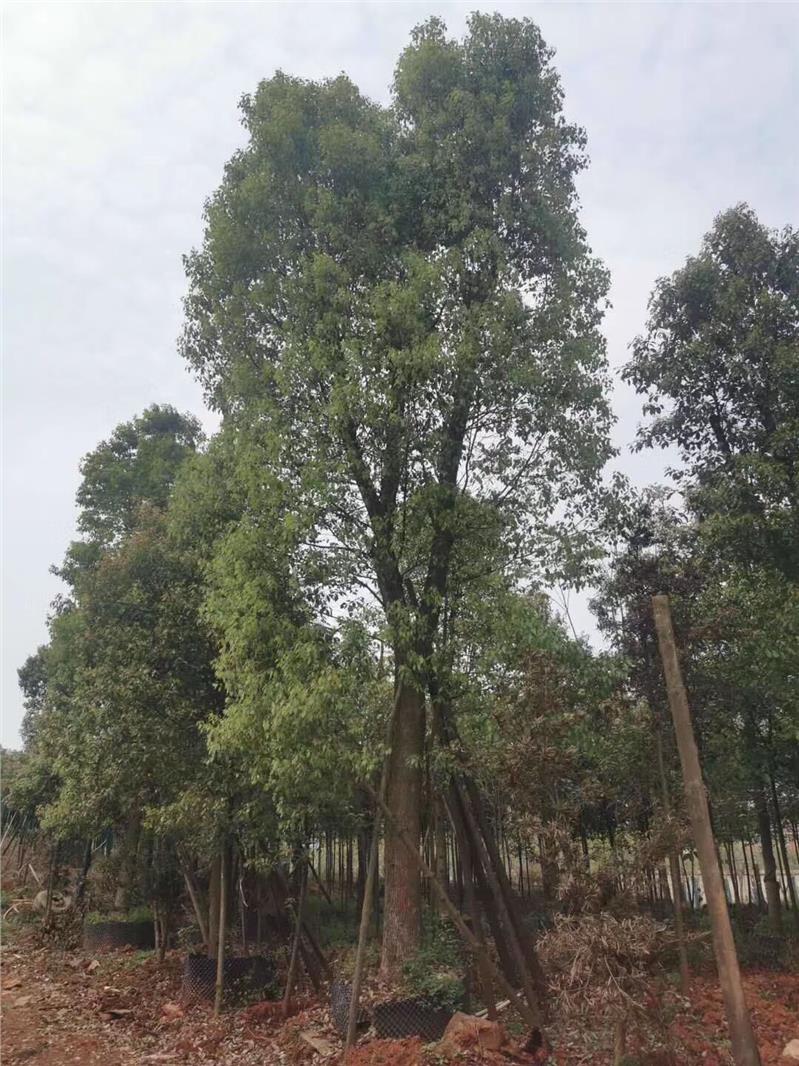
1. Possesses strong abilities in smoke and dust retention, water conservation, soil stabilization against erosion, and environmental beautification. The camphor tree has a large, dense canopy, majestic posture, and is an excellent species for urban greening.
2. Timber, roots, branches, and leaves, which can extract camphor oil, are used for medical and spice industries. The fruit kernels contain about 40% oil, which is used industrially. Roots, fruits, branches, and leaves are used in medicine, with functions such as dispelling cold, strengthening the heart, calming spasms, and killing insects. The wood is also used for shipbuilding, cabinetry, and construction.
