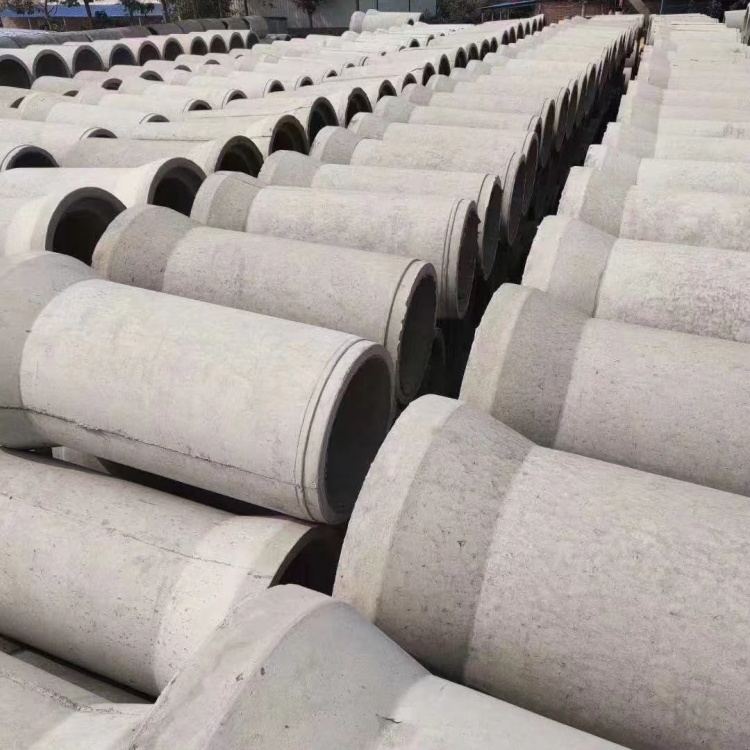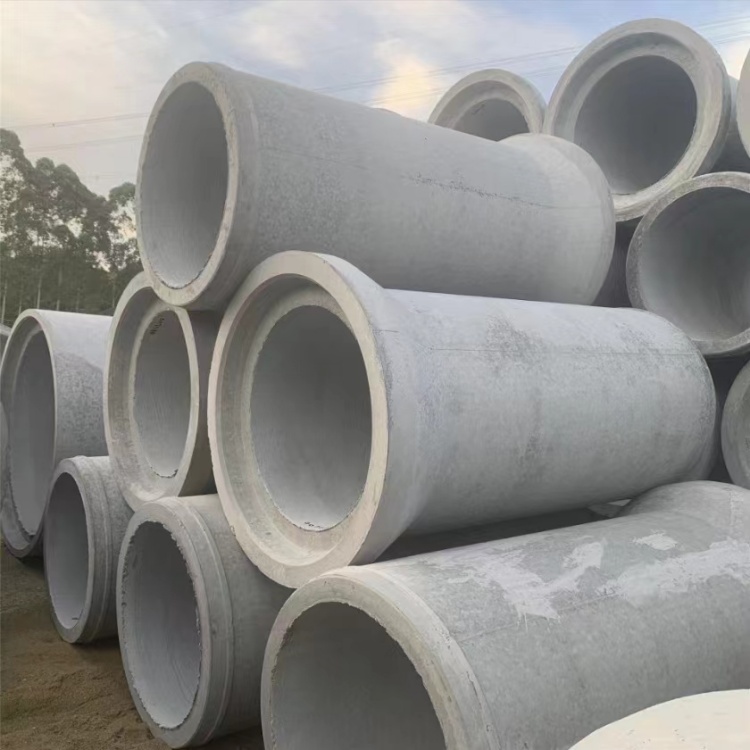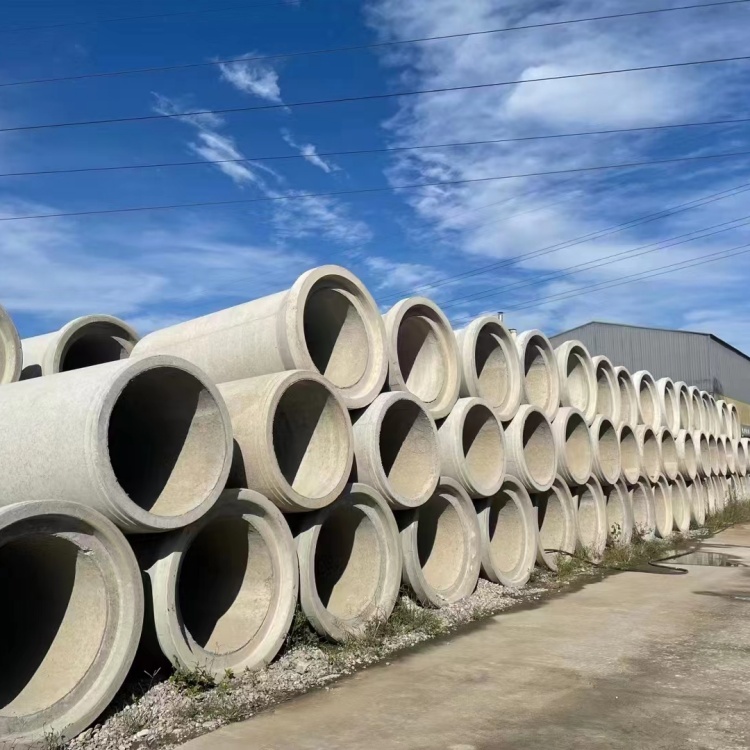


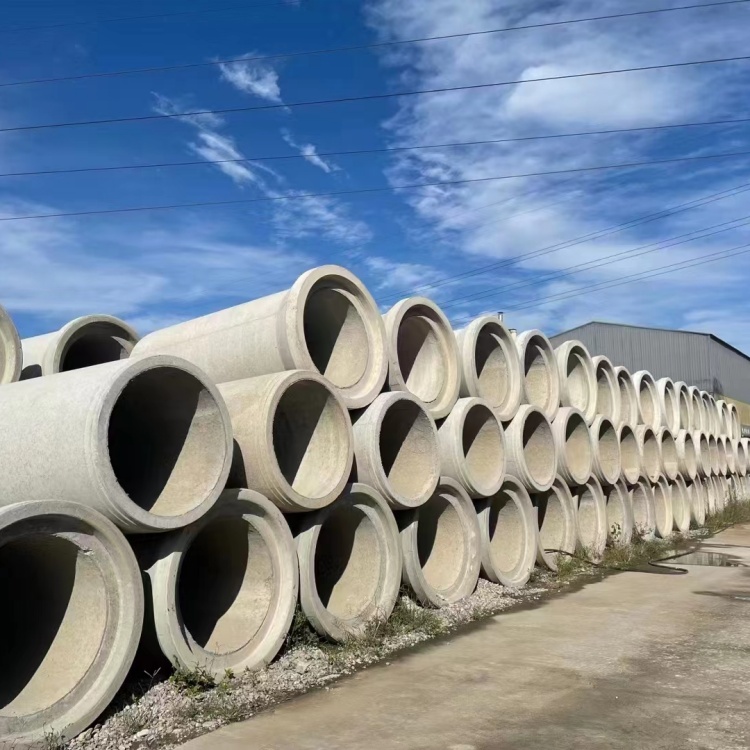
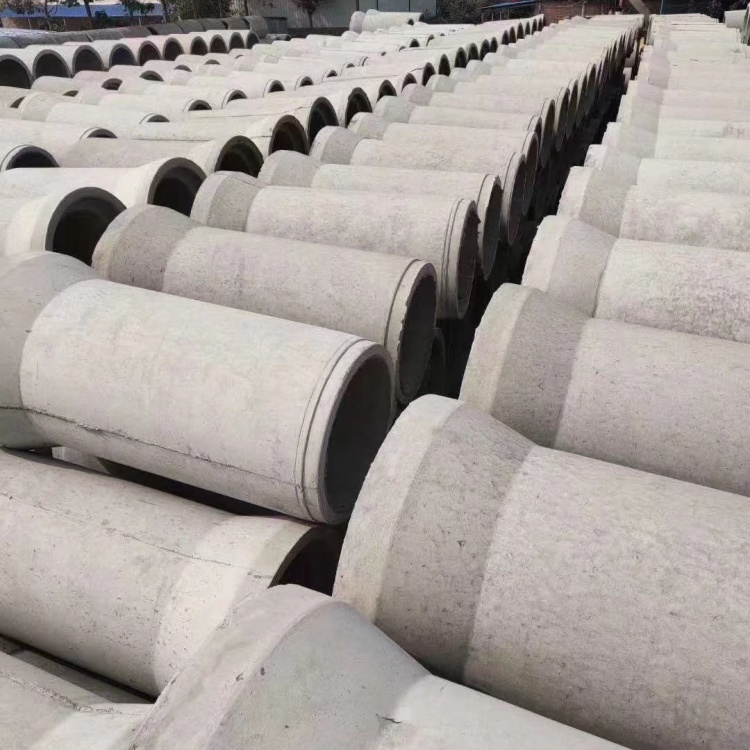
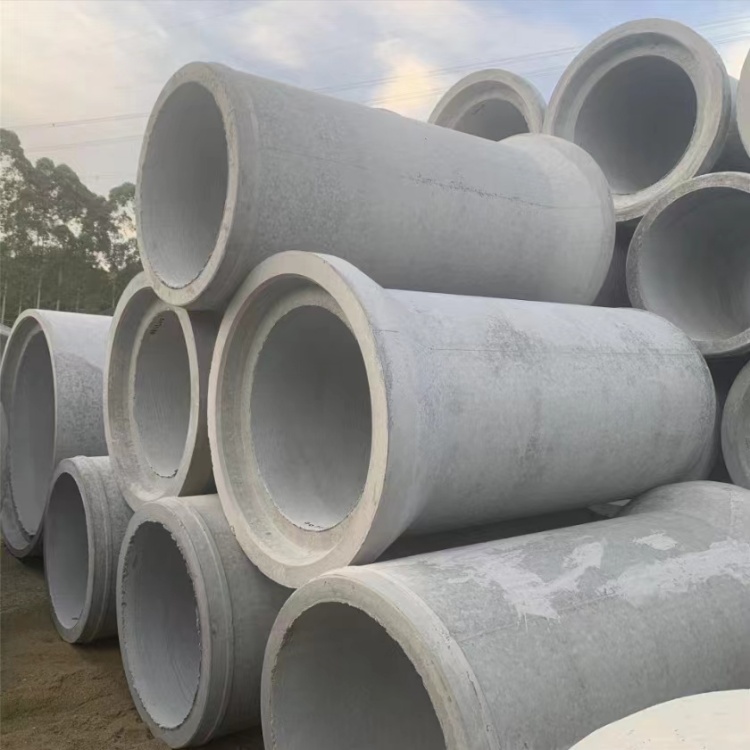
Socket-socket cement pipes are a common reinforced concrete pipe, widely used in urban construction for drainage, sewage discharge, flood prevention, and drainage, as well as for water supply pipes and irrigation wells in special factories and mines. The characteristic of this pipe material is that it uses a rubber ring seal to prevent water leakage, which is a flexible connection with good seismic performance and adaptability to uneven ground settlement.
Features of socket and spigot cement pipes
Interface Design: One end of the socket-and-socket cement pipe is designed as a large socket end, and the other end as a plug end. During installation, the plug end is inserted into the socket end, achieving a seal through a rubber ring.
Sealing Performance: Utilizing rubber rings as sealing materials, it effectively prevents leakage and safeguards the environment from contamination.
Seismic Resistance: The flexible joint design allows the pipeline to better absorb vibrations during earthquakes and other seismic events, reducing the risk of joint cracking.
Adaptability: Socket-and-spigot concrete pipes are capable of adapting to various types of soil conditions for foundations, with strong resistance to uneven settlement.
Application of Socket and Spigot Concrete Pipes
The socket and spigot cement pipes, due to their superior performance, are widely used in the following fields:
Urban Drainage: For the collection of rainwater and conveyance of wastewater from city streets.
Irrigation Systems: Designed for low-pressure water irrigation projects, such as agricultural irrigation.
Other engineering applications: Also suitable for overhead protection of pipelines for water supply, power engineering communications, gas pipelines, etc., requiring underground pipeline laying.
Socket and spigot cement pipe specifications
The specifications of socket and spigot cement pipes typically range from DN300 to D1200, with the appropriate pipe diameter chosen based on different engineering requirements. Excessive diameter increases costs and makes transportation difficult.
Construction Precautions
Basic Requirements: Suitable for 90° sand arc or earth arc foundation, the soil cover depth must be greater than 3.5 meters.
Construction Quality: Ensure the tightness of interfaces and the foundational stability of the pipelines during construction.
Differences from other cement pipes
Socket-socket cement pipes have unique features and application scenarios compared to bell-and-spigot cement pipes and steel socket cement pipes. For instance, steel socket cement pipes (commonly known as "F" pipes) offer a greater deflection angle and a longer service life, making them suitable for long-distance and curved jacking construction, while bell-and-spigot cement pipes utilize a tenon and groove connection at the pipe ends, enhancing their sealing performance.
In summary, socket-and-spigot cement pipes have become an indispensable material in urban construction and water conservancy projects due to their excellent performance and wide application.