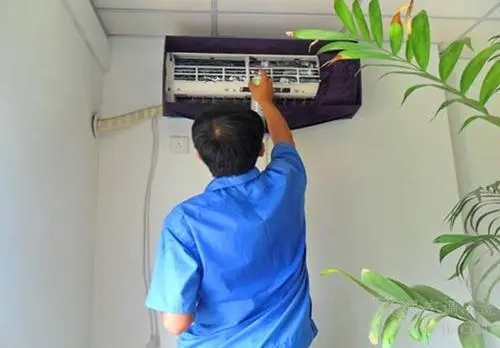



Regular maintenance and care of air conditioners can ensure their optimal performance and extended lifespan.
Key tasks to be addressed include:
1. Regularly inspect the electrical plug and socket of the air conditioner for proper contact. If you find that the air conditioner is running, the power
The wire or plug is overheating, which may indicate that the electrical wire is too thin or that there is poor contact between the plug and the socket. Measures should be taken to resolve this.
Decision made.
2. Regularly inspect the joints of the refrigerant piping in air conditioners (mainly for split-type air conditioners) for any refrigerant leaks.
If oil stains are found, it indicates a refrigerant leak, which should be addressed promptly to prevent prolonged leakage and potential damage to the refrigeration system.
Insufficient dosage can affect the air conditioner's cooling (heating) performance, even leading to compressor damage.
3. Regularly dust the air conditioner's panel and housing. Generally, use a dry cloth for wiping. First wipe, then use a clean
Wet wipes should be used to remove detergent. Do not use hot water above 40℃ or volatile oils and corrosive solvents to clean the air conditioner.
Avoid using stiff bristles to clean the air conditioner to prevent damage to the shell, which may cause paint chipping or fading.
Home Central Air Conditioning Maintenance Department - 24-Hour Repair Hotline
The 24/7 repair hotline for our residential central air conditioning maintenance department advises that when the air conditioner fails to heat, the first step is to check if the power voltage is faulty. If it's abnormal or unstable, low voltage can cause the compressor to malfunction after startup, thereby affecting the air conditioner's heating performance. It's advisable to avoid peak usage times or keep a voltage stabilizer at home to ensure a stable power supply for the air conditioner to operate properly.